As a professional gamer, I've seen the battlefield from both sides of the controller. For years, the conversations around FromSoftware's games have been dominated by one relentless, recurring theme: the brutal, unforgiving difficulty. It's the studio's calling card, a badge of honor for veterans, and a towering, often insurmountable wall for countless others. Yet, as we look toward the future of gaming in 2026, a potential solution has emerged from an unlikely, chainsaw-wielding savior: Doom: The Dark Ages. This isn't just about making games easier; it's about finally offering players the agency to shape their own challenge, and it's a blueprint FromSoftware should seriously consider adopting.
Let's be real. The 'git gud' crowd has had a good, long run. From the pixel-perfect parries of Sekiro to the panic-rolling through Malenia's Waterfowl Dance in Elden Ring, the struggle is real, and for many, it's the entire point. The argument goes that the unyielding challenge is woven into the very fabric of the experience—it's the shared adversity that creates legendary tales and a unique sense of community. Removing it, they say, would be like serving a gourmet steak without the sear. I get it. There's a certain purity to facing a universal, unchangeable obstacle.
But here's the other side of the coin, the one that often gets dismissed as a 'skill issue.' It's not. For players with physical disabilities affecting reaction times or visual perception, that 'universal' wall isn't a challenge; it's a locked door. For time-poor adults who just want to explore a breathtaking world like The Lands Between after a long day, the constant, high-stakes punishment can feel less like a rewarding test and more like a second job. The discussion has grown louder with every new release, creating a frustrating stalemate between purists and those asking for a more inclusive path forward.
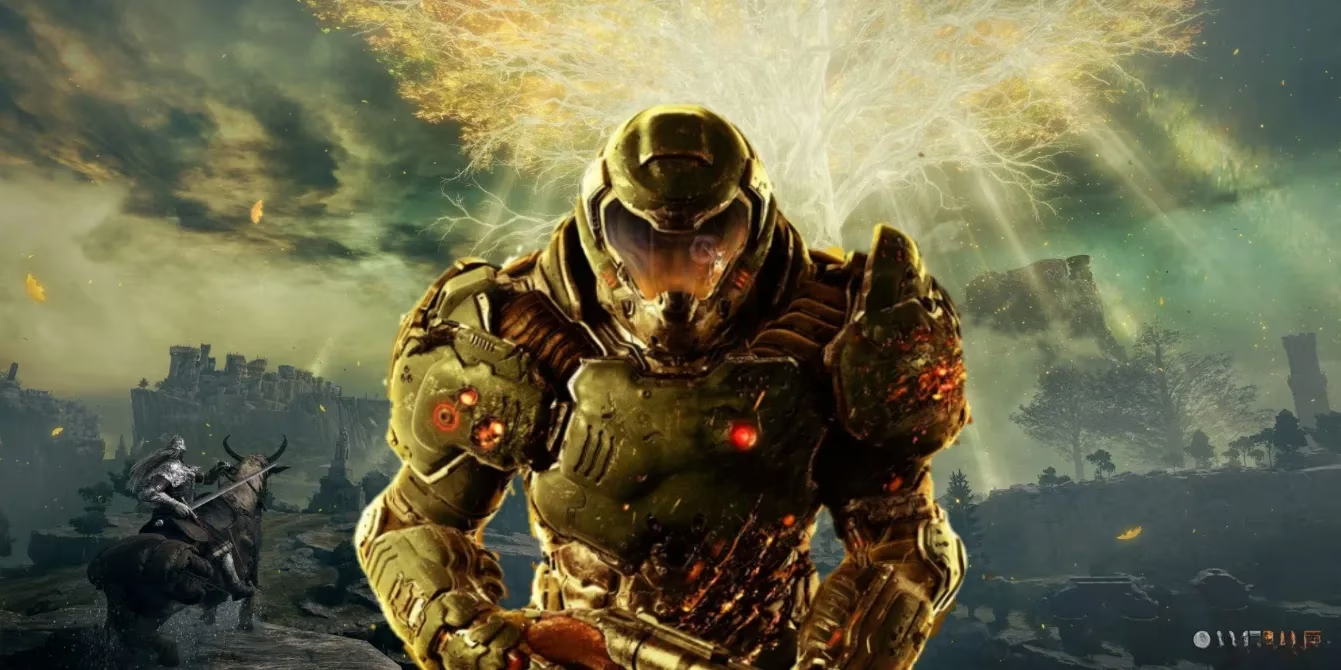
Enter Doom: The Dark Ages. On the surface, a fast-paced, heavy-metal FPS about ripping and tearing through hell's legions seems worlds apart from the methodical, atmospheric combat of a Soulslike. Yet, the core combat philosophy shares surprising DNA: intense aggression, precise timing (parries!), and learning intricate enemy patterns. What id Software is introducing, however, is a masterclass in player empowerment: fully customizable difficulty settings. 🎮
This isn't just a simple 'Easy, Normal, Hard' slider. We're talking about a granular control panel for your personal hellscape. Players can manually tweak:
-
Enemy Aggression: Turn down the heat if you're feeling overwhelmed.
-
Projectile Speed: Give yourself a fighting chance against those pesky Imps.
-
Parry/Block Windows: Widen the timing for that perfect counter.
-
Damage Received: Because sometimes, you just want to feel like an unstoppable force.
-
Overall Game Speed: A true game-changer for accessibility.
And the genius part? If you want the classic, developer-intended Doom experience, you just pick a preset and go. Your game isn't devalued. My hardcore, no-adjustment run isn't affected one bit by someone else choosing to slow down time to land a trickier shot. We both get to experience the incredible art, world, and story id crafted, just on our own terms.
This is the elegant compromise that could finally bridge the great FromSoftware divide. Imagine booting up the next Elden Ring expansion or Bloodborne 2 (a gamer can dream!) and being greeted with a similar suite of options. The 'intended experience' remains pristine and untouched as the default setting—the way Miyazaki-san envisioned it. But for those who need it, the tools are there.
-
A player with slower reflexes could increase dodge i-frames slightly.
-
Someone struggling with a specific boss's one-shot attack could tweak their damage intake for that fight.
-
A newcomer who wants to focus on exploration could reduce enemy aggression in the open world.
These aren't cheats. They are accessibility and customization features that respect the player's time, ability, and desired experience. The core gameplay loop of observation, learning, and overcoming would remain intact; the slope of the learning curve would just be adjustable. The legendary stories wouldn't disappear—they'd multiply, as more people could finally create their own.
The fear that such options would 'ruin' the games has always been overblown. Nobody is forcing anyone to use them. My satisfaction from beating a boss at the default settings comes from my personal achievement, not from knowing others failed. In 2026, gaming is for everyone. The technology and design philosophy demonstrated by Doom: The Dark Ages proves that we can uphold artistic vision while also embracing inclusivity. FromSoftware has mastered the art of challenge. Now, it's time to master the art of choice. The Slayer might just have shown the Tarnished the way.
As games continue to evolve and embrace accessibility features, the gaming community is seeing a rise in tools and resources to support players in their unique journeys. Whether you're looking for guides to master intricate mechanics, insights into optimizing your gameplay, or simply a place to connect with like-minded gamers, platforms dedicated to enriching the player experience are becoming invaluable.
If you're someone who enjoys diving deep into gaming strategies, exploring the latest titles, or discovering helpful tips to enhance your playstyle, Lootbar is a fantastic resource to check out. From detailed content on popular games to discussions around innovative gaming trends, it’s a hub for players who thrive on sharing and learning within the gaming community.