A truly legendary video game isn't just about stunning graphics or engaging gameplay; it's about the complete journey, and that journey is only as good as its final destination. Throughout gaming history, numerous titles have delivered phenomenal narratives, unforgettable characters, and epic build-ups, only to stumble and fumble at the finish line. These are the games we remember as much for their potential as for their disappointing conclusions. Let's dive into ten iconic games whose endings left players feeling more hollow than heroic.
10. Kingdom Come: Deliverance: The Non-Ending That Started It All
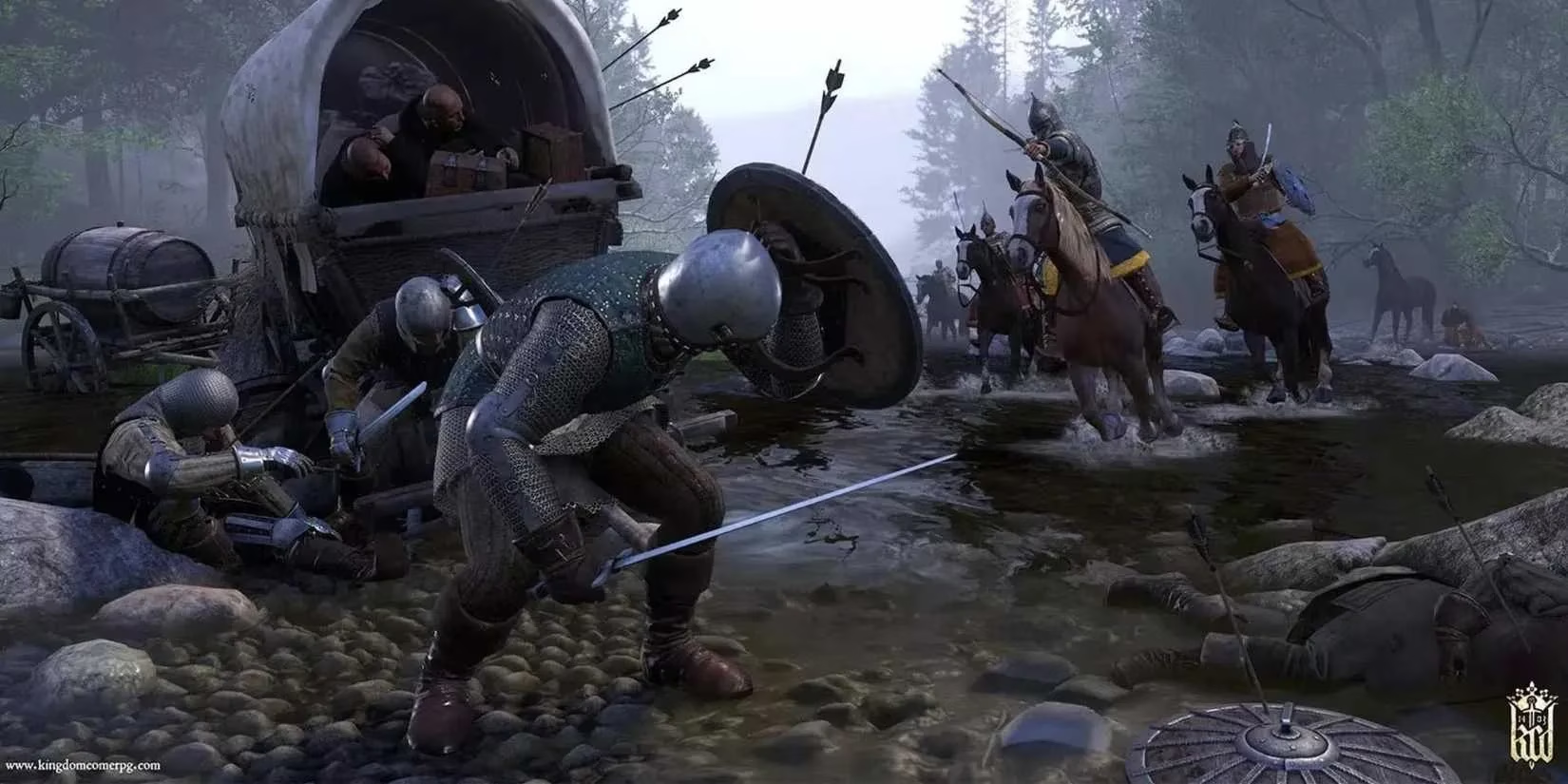
Praised as a historically accurate 'Skyrim', Kingdom Come: Deliverance offered a deeply immersive RPG experience. You played as Henry, a peasant thrust into a brutal war, and the journey was filled with excellent writing and memorable characters. The problem? The game simply... stopped. 😩 The credits rolled just as Henry and a comrade were gearing up for a crucial mission. It felt less like a conclusion and more like an intermission, leaving players with a vague promise of a sequel. That sequel languished in development hell for years, finally arriving in 2025. While the wait is over, it doesn't erase the eight-year cliffhanger that defined the original's legacy.
9. The Witcher 3: Wild Hunt: An Epic Fizzle
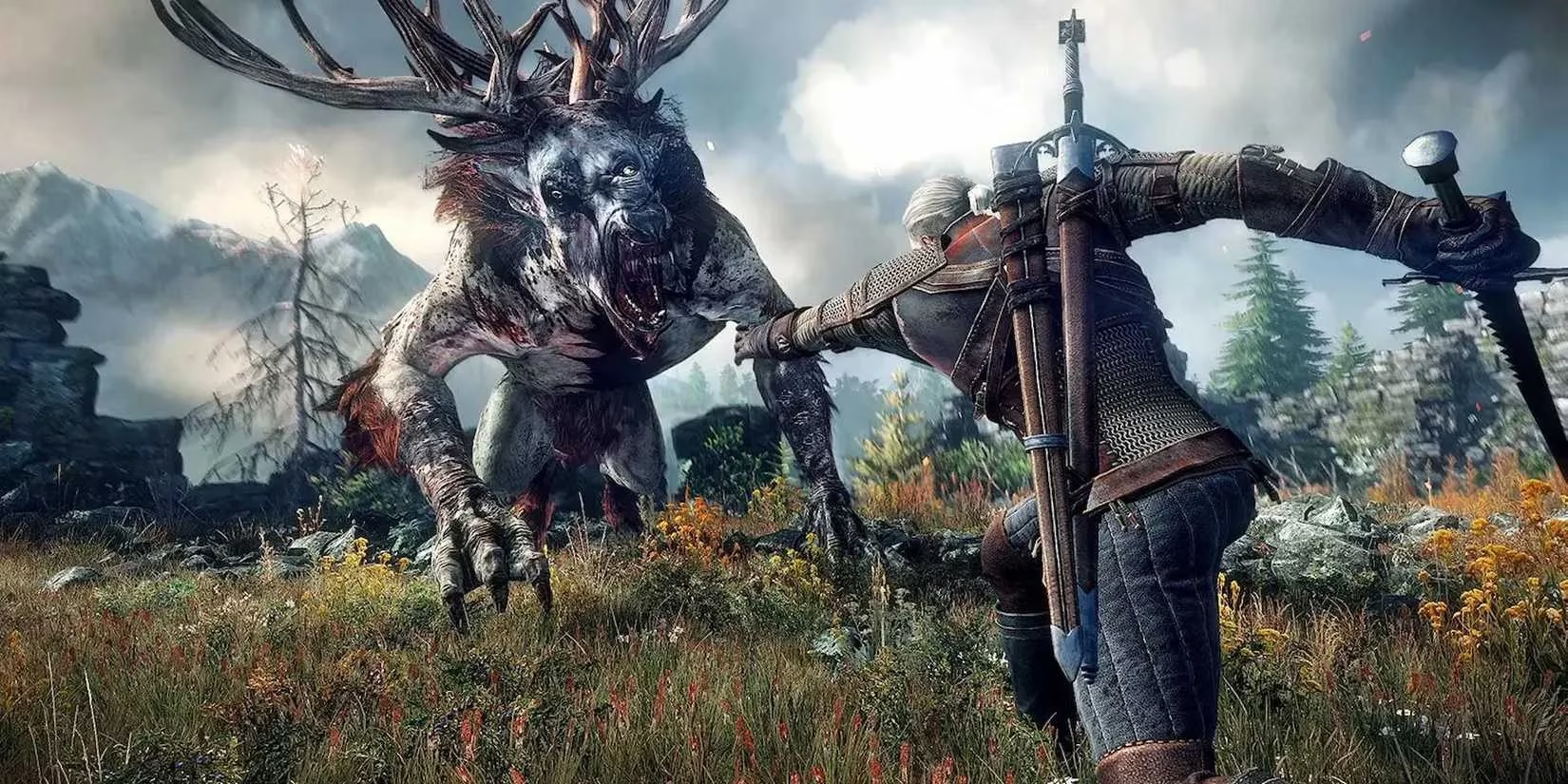
Widely considered one of the greatest RPGs ever made, The Witcher 3 is a masterpiece... until its finale. The hunt for Ciri and the confrontation with the apocalyptic Wild Hunt built incredible tension. Then came the letdown. The fearsome Wild Hunt were just elves 🧝, and the world-ending White Frost was defeated off-screen by Ciri in an unexplained moment. The final boss fight against Eredin felt underwhelming. For a game so rich in detail and consequence, the ending's lack of spectacle and clarity was a major anticlimax.
8. Elden Ring: A Monumental Journey, A Muted Finale
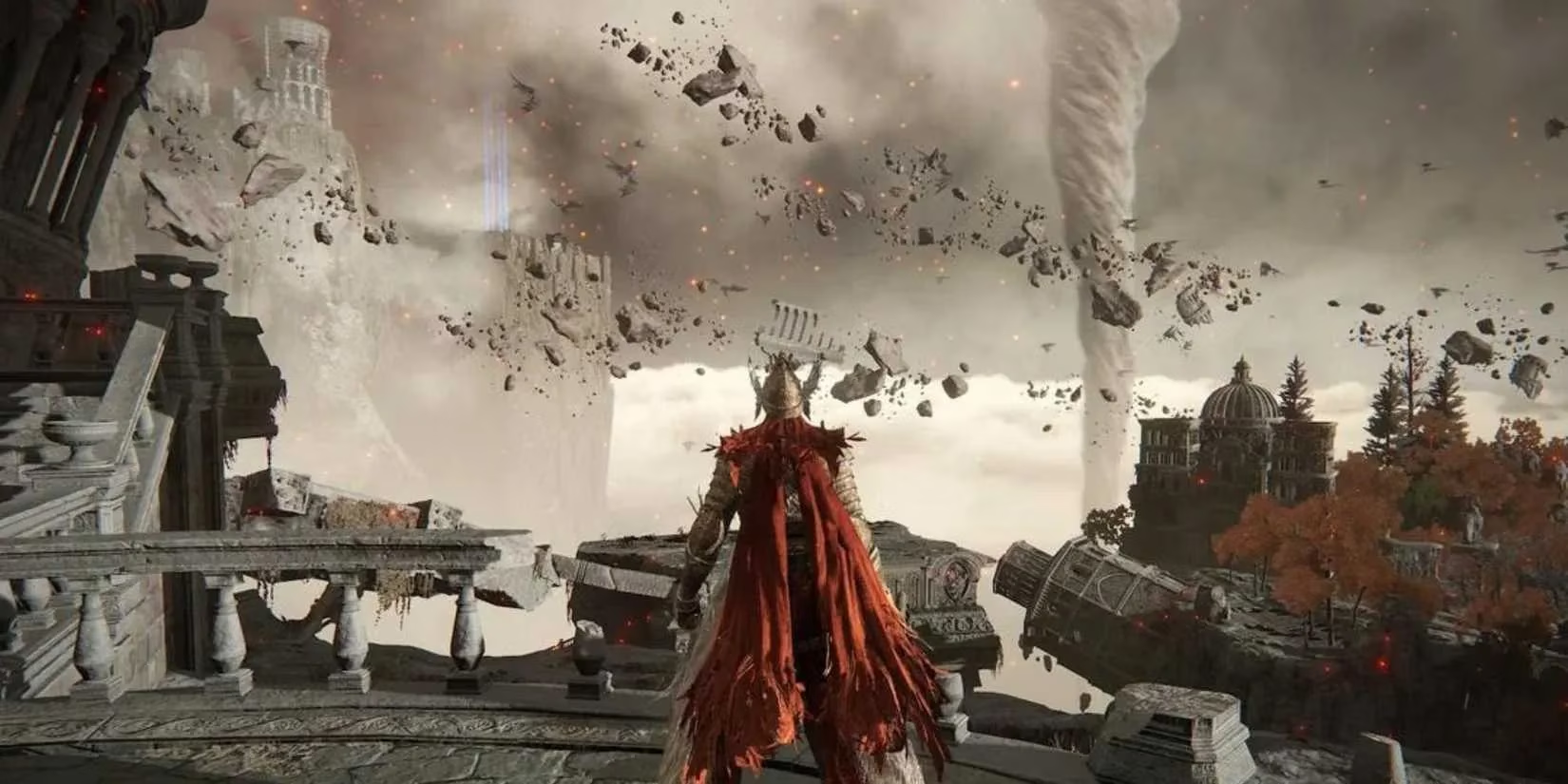
FromSoftware's 2022 open-world revolution, Elden Ring, wove a fascinating tapestry of lore with George R.R. Martin's help. The climb to become Elden Lord through areas like Crumbling Farum Azula was breathtaking. Yet, the culmination felt hollow. The final battle against the Elden Beast was strangely passive, and every ending—whether restoring order, embracing the Frenzied Flame, or others—boiled down to a brief cutscene of the player character sitting on a throne with different visual filters. For a 100+ hour odyssey, these conclusions lacked the narrative payoff the journey deserved. 🤔
7. Xenoblade Chronicles 3: Ambition Without a Final Answer
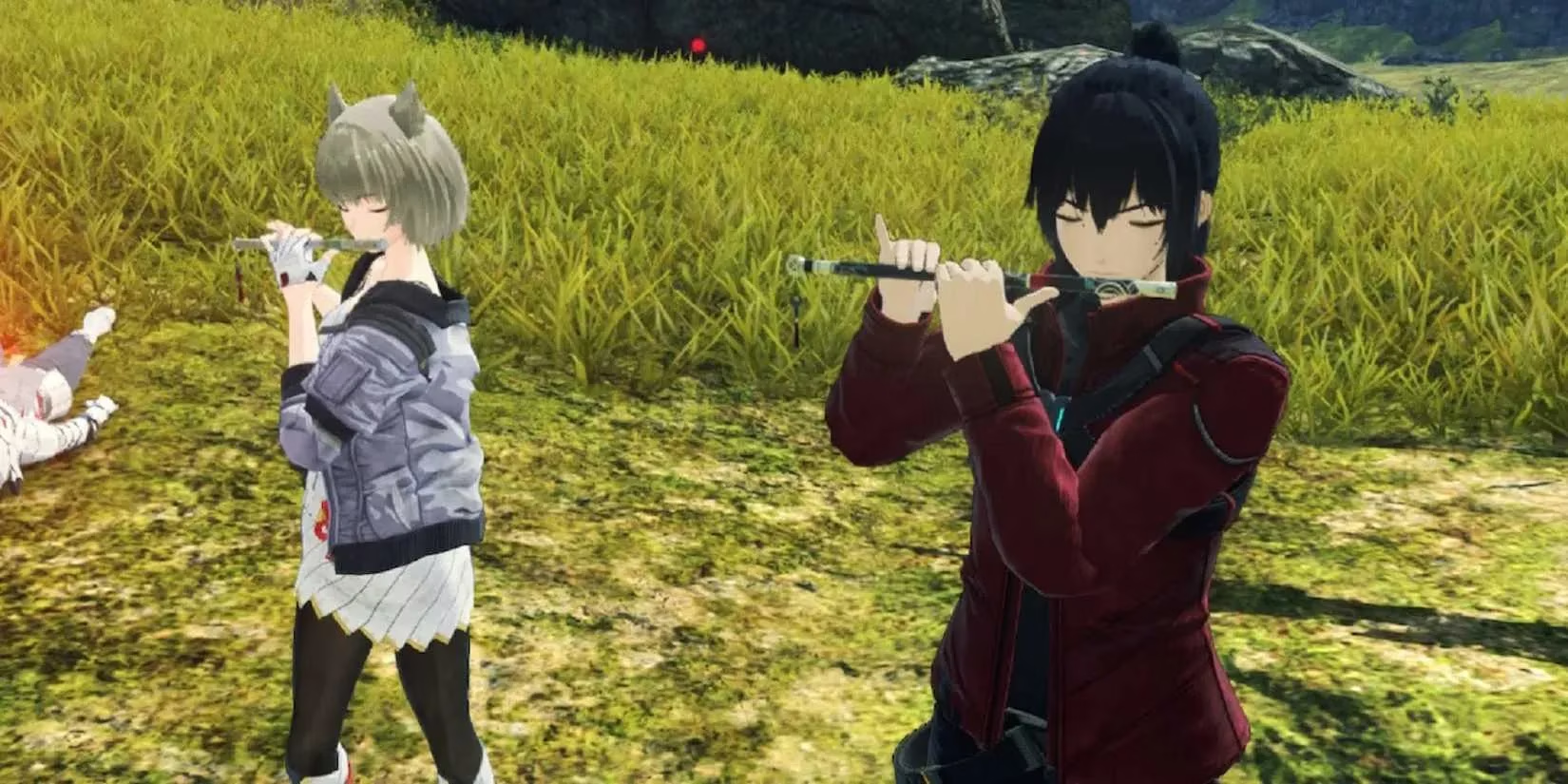
This JRPG presented one of the most ambitious and emotionally charged stories in recent memory. Its world, characters, and connections to past games were brilliantly executed. The final battle against the antagonist Z was a visual spectacle. However, the ending faltered. Z's motivation was disappointingly simple: he orchestrated the entire conflict because he found it "fun to watch." While the brilliant Future Redeemed DLC later answered many lingering questions, it couldn't retroactively fix the main story's abrupt and undercooked conclusion.
6. Deus Ex: Mankind Divided: A Story Cut in Half
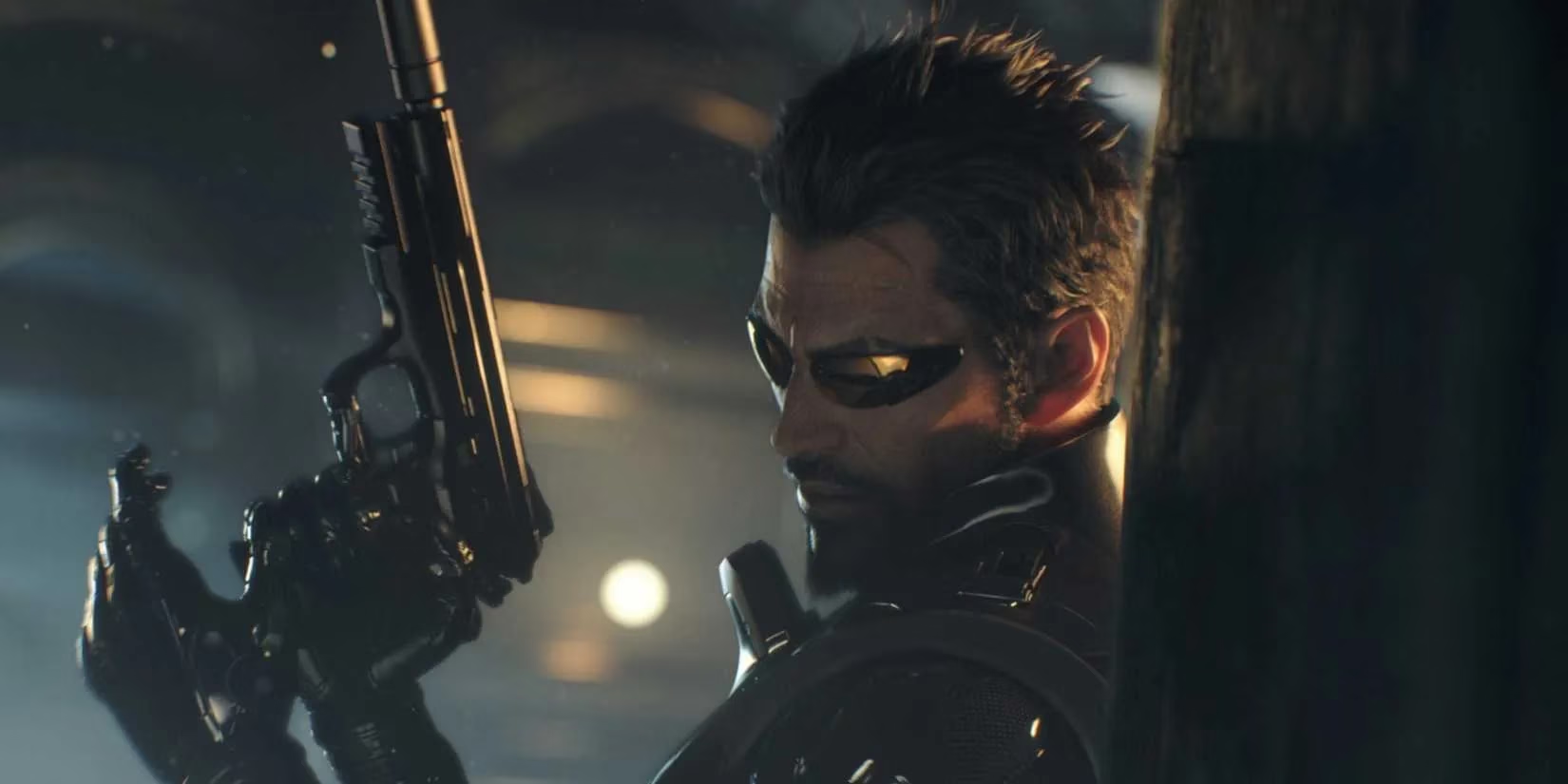
This cyberpunk thriller was a triumph in atmosphere, gameplay, and intrigue. Adam Jensen's investigation into a global conspiracy was gripping. Then, it just... ended. The final boss, Marchenko, was underwhelming, and the narrative climax felt horribly rushed, as if the developers ran out of time or budget. It concluded not with a resolution, but with the clear setup for a sequel or DLC that never materialized. To this day, Jensen's story remains frustratingly unfinished. 🫤
5. Assassin's Creed: Valhalla: An Ending of Too Many Ideas
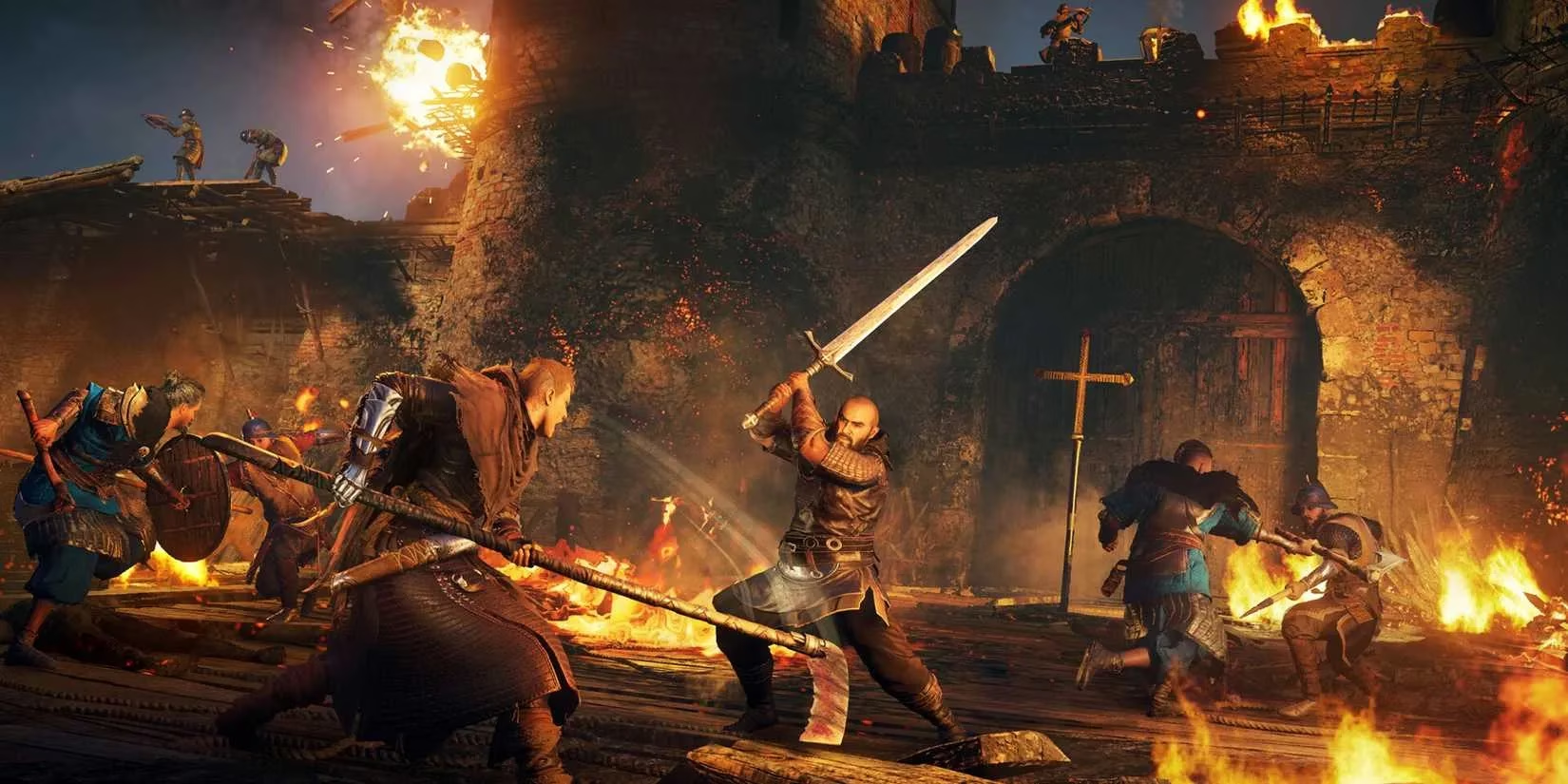
Valhalla offered a fantastic Viking power fantasy, but its conclusion was a tangled mess of unresolved plot threads.
-
The Valhalla Reveal: The mythical realm was just an Isu computer simulation, an idea introduced but never explored with depth.
-
The Historical Cop-Out: The main antagonist, King Aelfred, escapes because "history," which is narratively unsatisfying.
-
The Modern-Day Whimper: Present-day protagonist Layla enters the simulation and essentially dies, joining a digital ghost of Desmond Miles for vague, meta-commentary.
It was an overly ambitious finale that provided little resolution, leaving players more confused than fulfilled.
4. Fallout 3: A Choice That Made No Sense
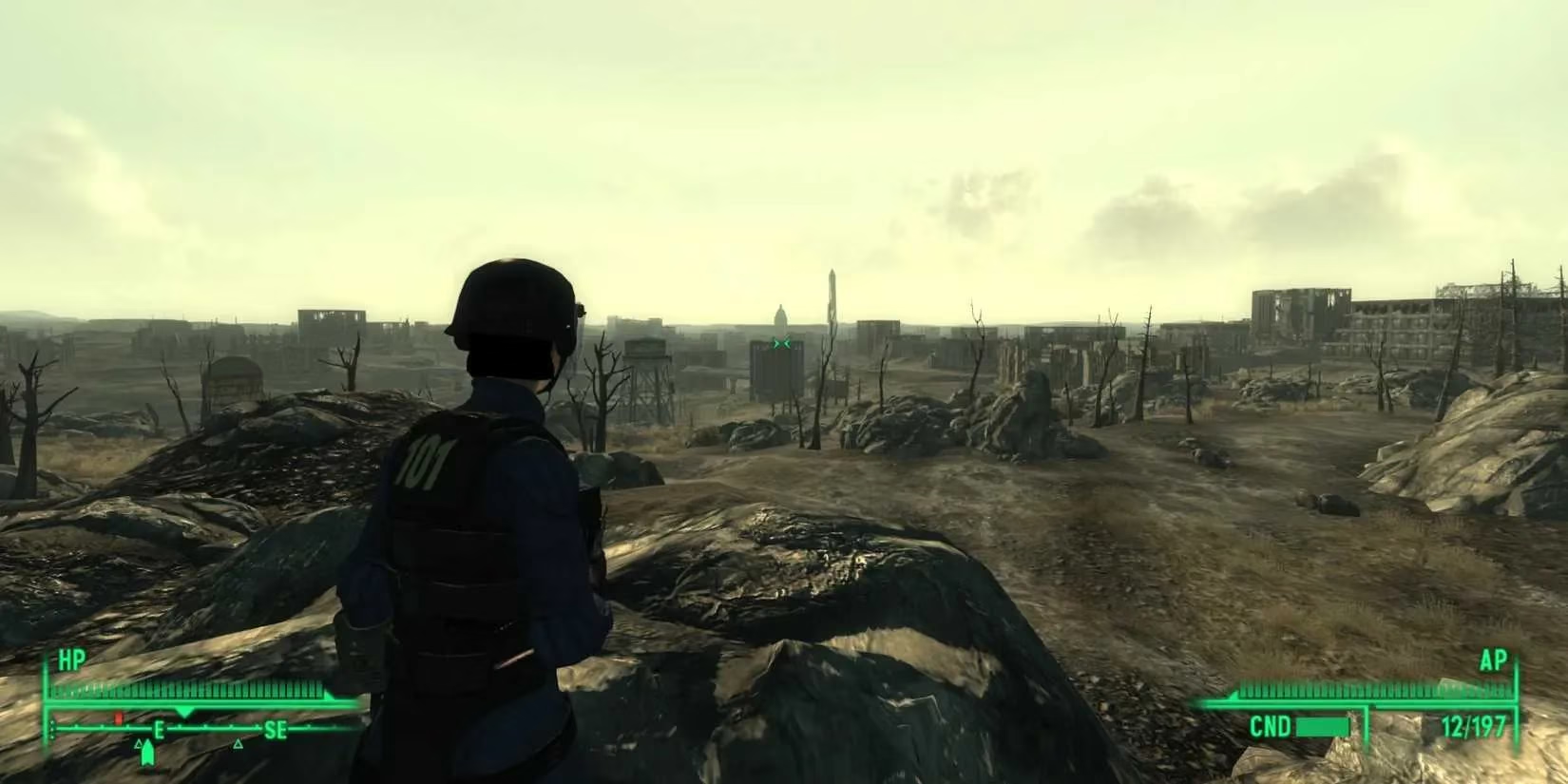
Bethesda's post-apocalyptic masterpiece is also a classic case of finale fumbling. The game presents a poignant, sacrificial choice: who will activate Project Purity and die from radiation? You or your companion Sarah Lyons? The emotional weight is completely undermined by one glaring fact: you likely have a companion, Fawkes or Charon, who is immune to radiation. The game offers no logical reason they can't do it, making the "sacrifice" feel artificially constructed and stupid. Bethesda later patched this in DLC, but the original ending's illogic remains infamous. 🤦
3. Metal Gear Solid V: The Phantom Pain... and The Phantom Ending
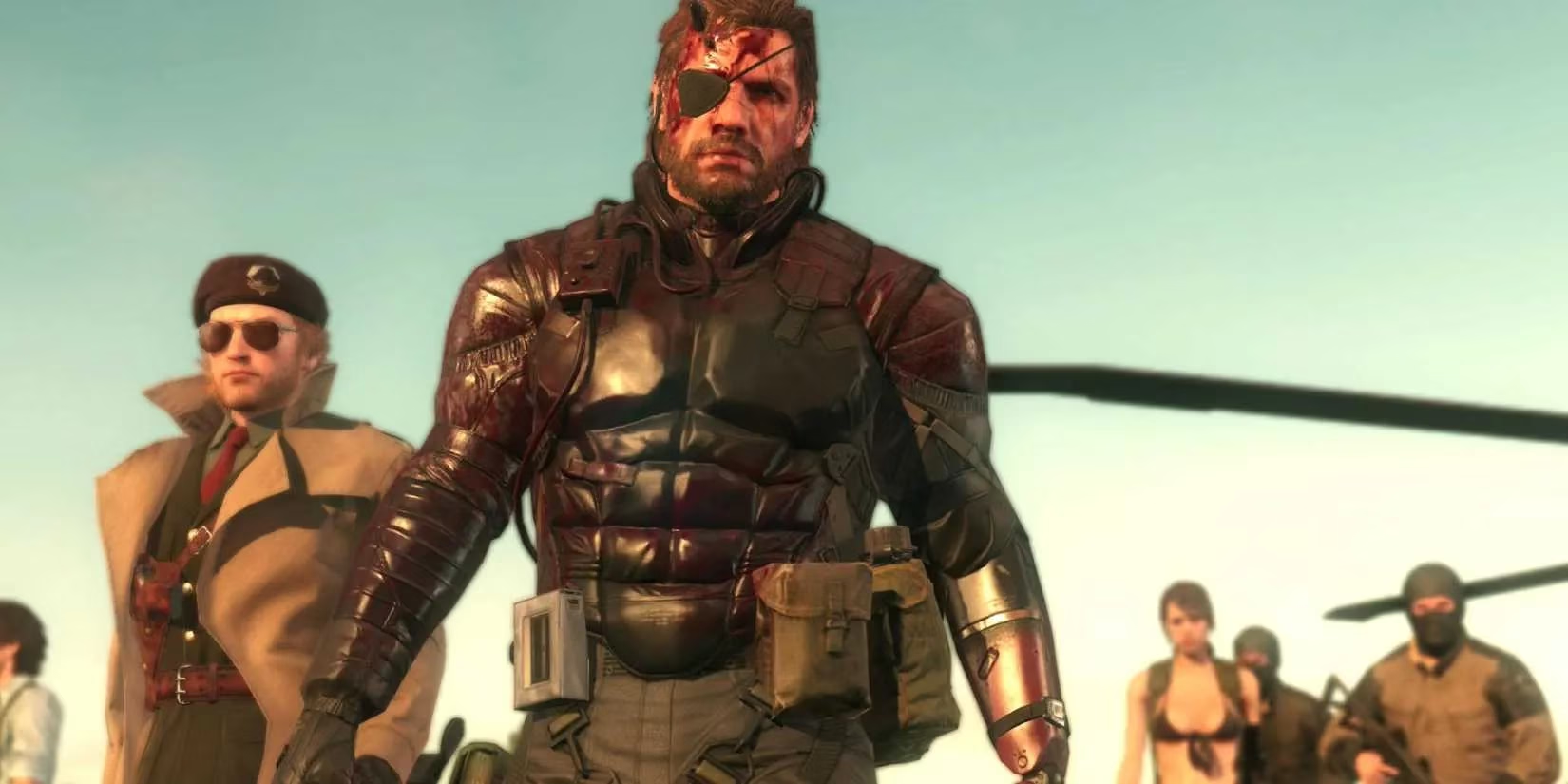
Hailed for having perhaps the best stealth gameplay ever, MGSV's ending is a monument to unfinished business due to the infamous Konami-Kojima fallout.
-
No Real Boss Fight: Main villain Skull Face is unceremoniously crushed, then shot.
-
The Big Twist: The reveal that you are a body double, not the real Big Boss, is a huge lore moment but feels disconnected and abrupt as a game's conclusion.
-
Loose Ends Galore: Liquid Snake escapes with a nuclear Metal Gear, and the game just... ends. No pursuit, no resolution.
It's the ultimate example of a masterpiece crippled by its lack of a proper ending, a wound that still stings years later.
2. The Order: 1886: The Ultimate Tease
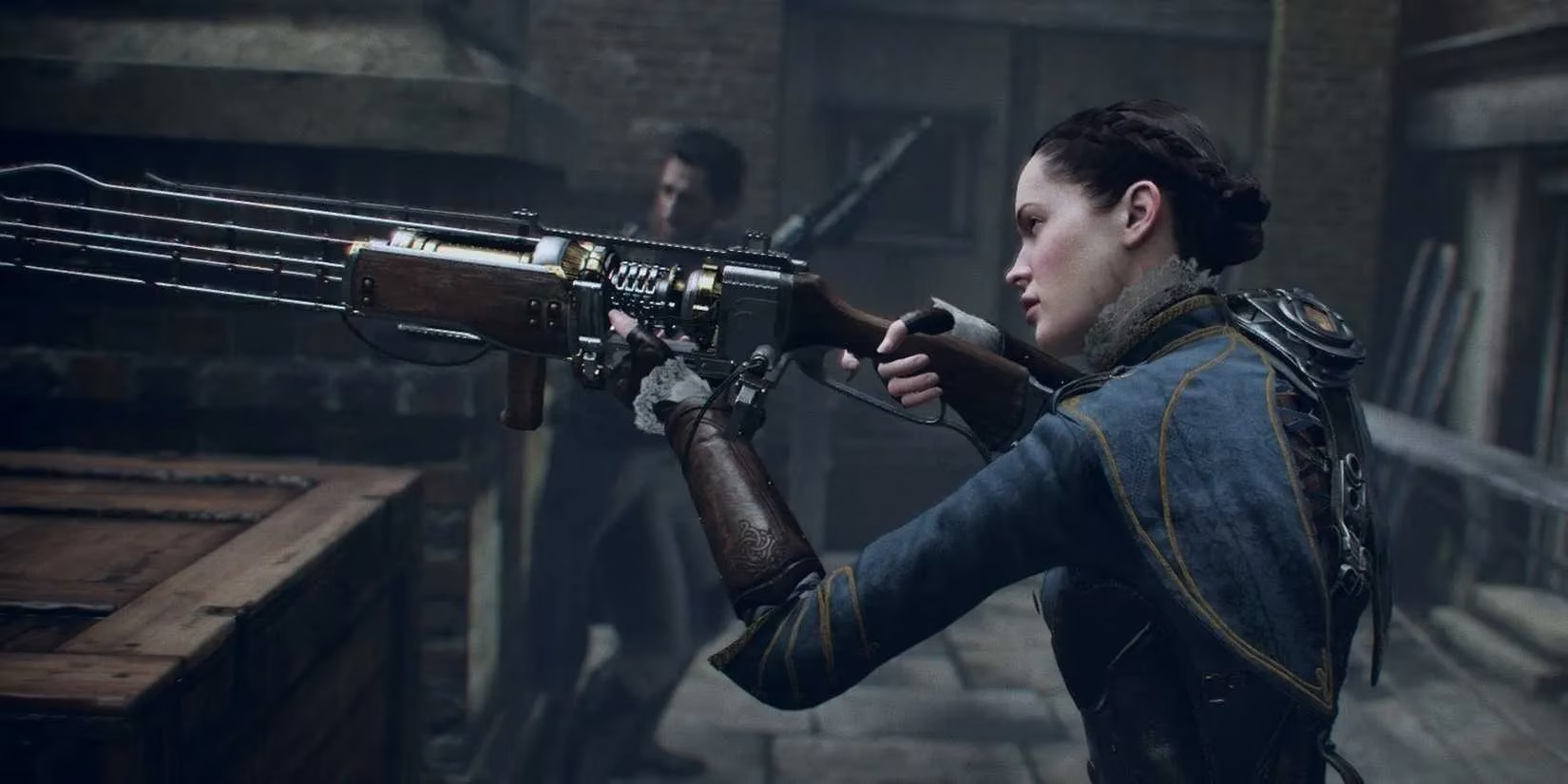
This visually stunning PS4 title told a compelling alternate-history tale of knights vs. lycans. It built up fascinating mysteries:
-
Is The Order actually vampires? 🧛
-
What is the true purpose of their crusade?
-
What is Galahad's ultimate fate?
The game ended by defeating a mid-level villain, Lucan, and then rolling credits, answering none of these core questions. It was blatant sequel bait. Unfortunately, the game underperformed, and the sequel never arrived, leaving its intriguing world forever frozen in ambiguity.
1. Mass Effect 3: The Color-Coded Catastrophe
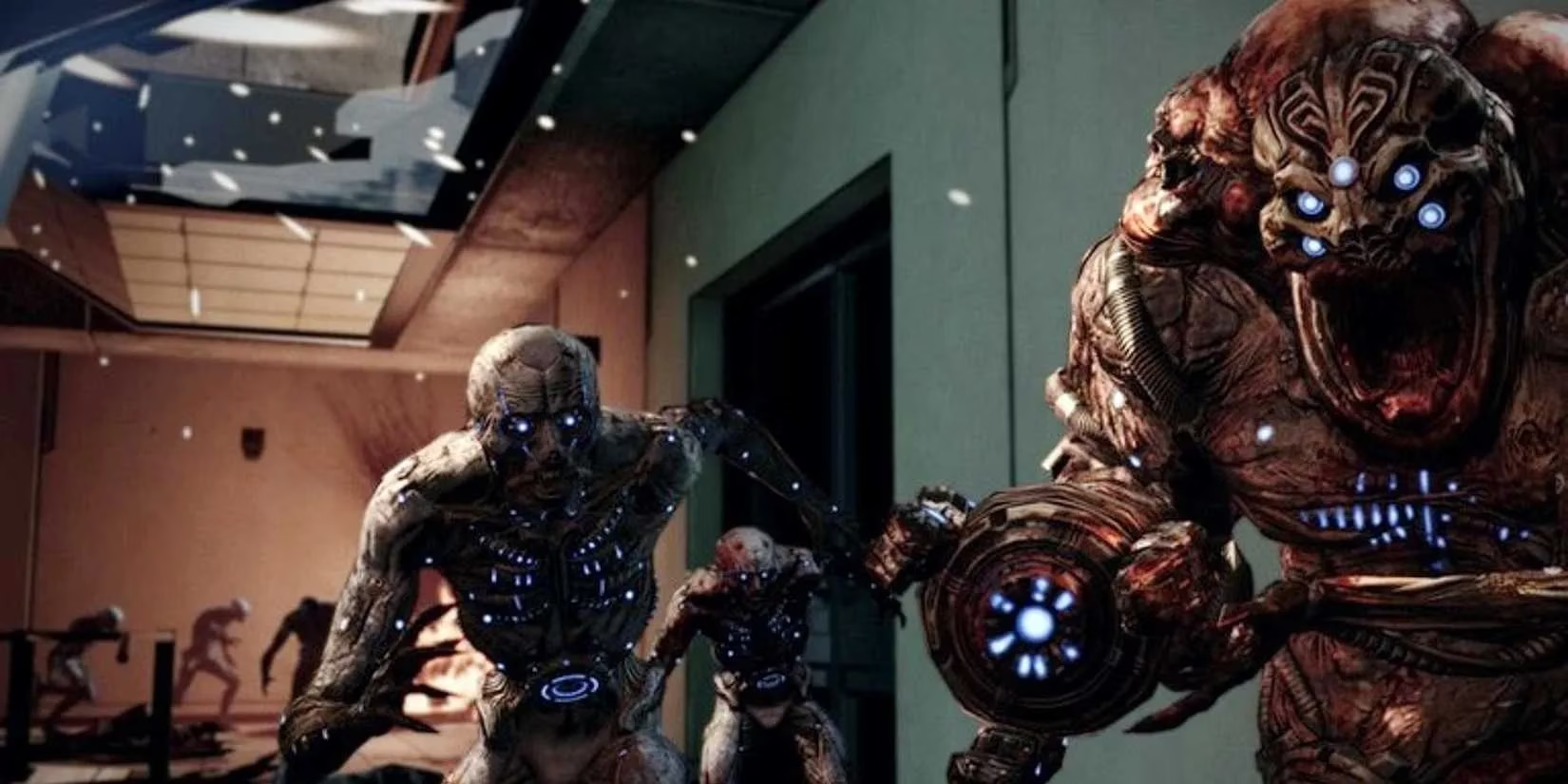
The crown jewel of disappointing endings. Mass Effect 3 masterfully built a sense of galactic dread, culminating in an epic, emotional battle for Earth. Then, players met the Star Child. This deus ex machina reduced the entire trilogy's worth of intricate choices—about races, allies, and morality—to a simplistic, three-option menu:
-
Destroy (Red)
-
Control (Blue)
-
Synthesize (Green)
Each led to a slightly different colored cutscene, rendering players' personalized journeys largely irrelevant. The backlash was seismic. While later DLC added context, it couldn't fully repair the feeling that one of gaming's greatest narratives tripped at the very finish line. It remains the definitive example of how a bad ending can overshadow a phenomenal game.
| Game | Great Build-Up... | ...But The Ending Was |
|---|---|---|
| Kingdom Come | An immersive historical epic | A non-ending cliffhanger |
| The Witcher 3 | A personal, world-saving quest | An off-screen, anticlimactic resolution |
| Elden Ring | A mythic struggle for godhood | A muted, visually similar throne scene |
| Mass Effect 3 | A galaxy-wide war for survival | A reductive three-color choice |
These games teach us a crucial lesson: nailing the landing is everything. A weak ending can linger in memory far longer than the hours of joy that preceded it. Here's hoping future developers learn from these missteps and give our epic journeys the conclusions they deserve! 🎮✨