The intricate and deeply engaging lore of FromSoftware's Soulsborne titles has sparked a unique, player-driven storytelling culture unlike any other in gaming. Countless community forums, videos, and passionate debates dissect the minute details of worldbuilding packed into these brutal action RPGs. While each game is a labyrinth of plot, both canonical and speculative, FromSoftware consistently teases fans with the tantalizing idea that all these worlds might be interconnected. Hidetaka Miyazaki and the developers frequently weave subtle hints—from cryptic item descriptions to eerily similar assets and echoing subplots—across their titles, fueling endless theorizing. Though these connections often interplay, they sometimes fall short of confirming popular fan theories as fact, leaving the weight of interpretation largely to the players themselves. This characteristic storytelling style, which delivers critical information like an investigation, keeps plots open-ended and grimly suggestive, further stimulating the community's boundless intrigue.
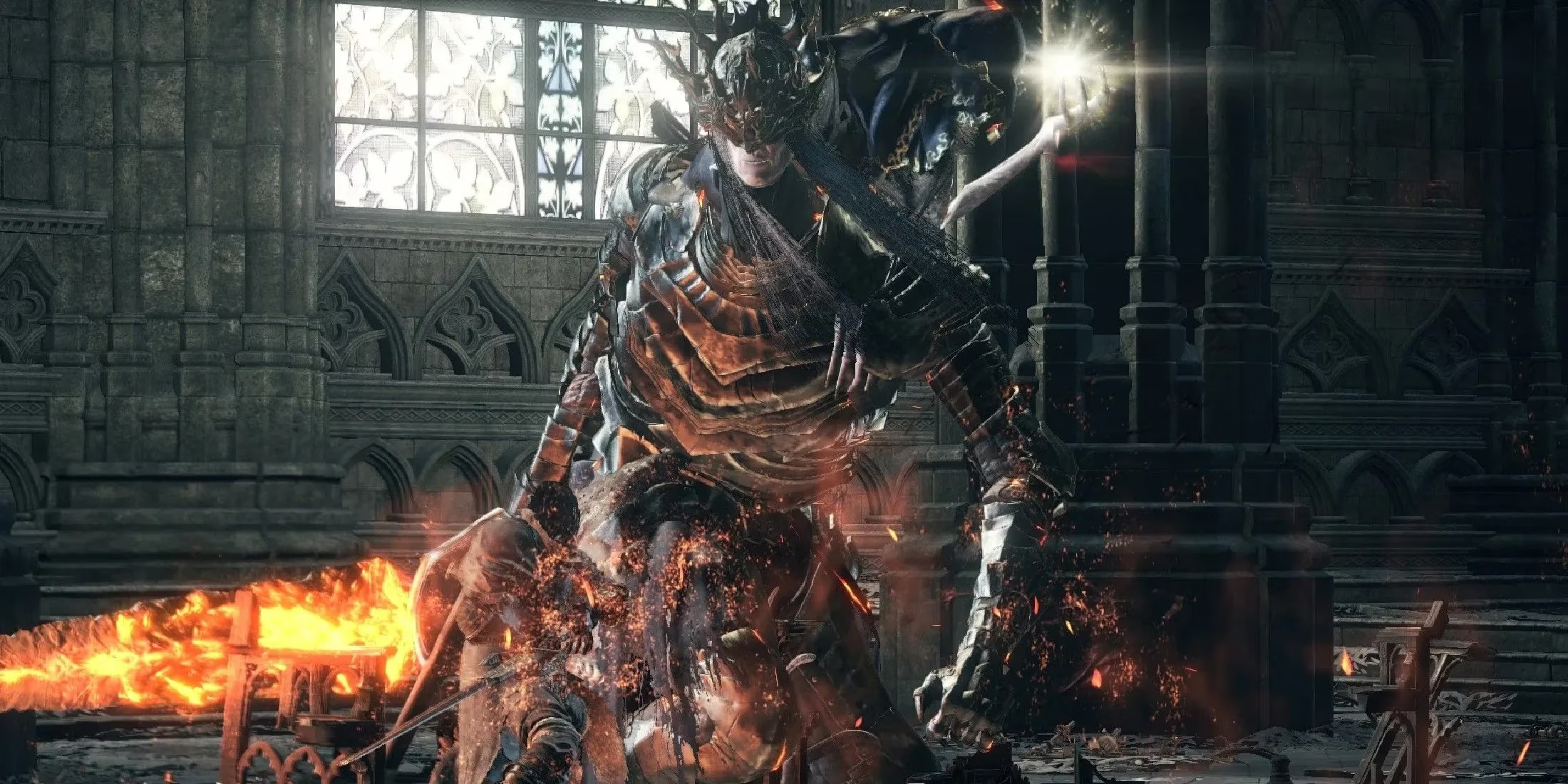
While the writing is top-tier, its obscurity means the player base often decides the ultimate impact. A prime example is the mystery of what Malenia said to Radahn in Elden Ring's release cinematic—a question that remained unanswered for over two years until the Shadow of the Erdtree DLC arrived. The surrounding debates about the conflict's justice and true nature never had a clear resolution until then, yet that didn't stop hundreds of differing theories and opinionated threads from assigning blame and crafting narratives. 🕵️♂️ This dynamic has given rise to some wildly popular fan theories that attempt to stitch the Soulsborne universe together.
Some of the most compelling fan theories include:
-
The recurring trickster NPC, Patches, appearing in most titles, suggesting a connected multiverse. 😈
-
The idea that Bloodborne's blood sickness is the same disease as Sekiro's dragonrot. 🩸
-
The recurring concept of 'eyes' as a key to unlocking internal truths across games. 👁️
-
Arguments that Demon's Souls represents the beginning of existence across all these worlds. 🌌
-
The theory that Dark Souls' Chester hails from Bloodborne's Yharnam. 🧥
-
Speculation that Seath the Scaleless has a parallel in Sekiro's divine dragon. 🐉
Inspired by franchises like The Legend of Zelda with its official timeline, some fans even dream of FromSoftware releasing an official map joining all Soulsborne realms into one seamless, Pangea-like continent. Such a revelation would be explosive, fundamentally reshaping community understanding, but it would likely come at the cost of retconning a lot of existing lore information.
For instance, if the lands were officially connected, explaining the simultaneous existence of mechanics like becoming hollow in Lothric (Dark Souls), Sekiro's dragonrot, and Bloodborne's blood sickness would require new narrative boundaries. The congregation of gods and god-like entities from each game would overlap, potentially establishing a brand new, unified pantheon. The concept of a Soulsborne multiverse linking all games is maddeningly fun and serves as a catalyst for endless creative lore implications.
However, the objective likelihood of such a direct, canonical connection remains low. It's equally plausible that each Soulsborne game exists in a sort of parallel multiverse, coexisting alongside each other rather than overlapping—much like the separate worlds within the Final Fantasy series. Regardless of how outlandish any theory may seem, within a community as deeply involved and passionate as FromSoftware's, anything feels possible. And that sense of boundless possibility, where player imagination fuels the lore as much as the official text, is truly a great thing. It ensures the worlds of Lordran, Yharnam, the Lands Between, and others remain vibrant, debated, and alive in the minds of fans everywhere. 💭✨