In the vast and treacherous Lands Between, most inhabitants swear allegiance to the Golden Order, the dominant religious power under Queen Marika's rule. However, for those who have ventured into the mysterious Realm of Shadow in 2026, it's become clear that history is written by the victors, and a far older, stranger power once held sway. Long before Marika ascended to godhood, the Hornsent reigned supreme, their twisted society built upon a brutal hierarchy defined by a single physical feature: horns. Their persecution of Marika's own people would become the catalyst for a divine rebellion that reshaped the world, leaving their legacy buried in shadow and sacrifice.
The Society of the Hornsent wasn't a race in the traditional sense, but a rigid religious order where your place in life was literally written on your head. To have horns was to be blessed, a living symbol of divinity. The bigger and more twisted the horn, the closer you were to the gods. This belief was so fundamental that their very currency, the Silver Horn Tender and Gold Horn Tender, was crafted from their own modified horns.  Conversely, to be born hornless was the ultimate mark of shame, a sign of being faithless and impure. This core tenet created a society obsessed with purity, leading to systematic persecution of anyone who didn't fit their horned ideal.
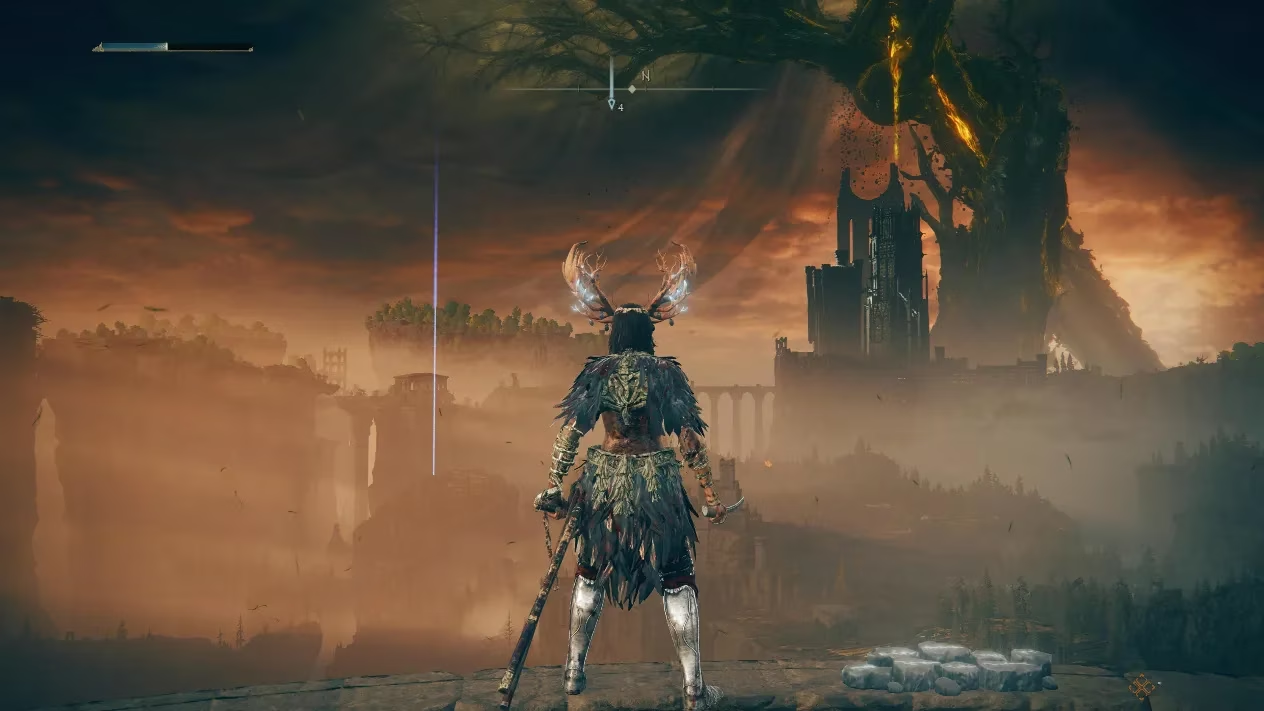
So, why are these horned fanatics now confined to the Realm of Shadow? The answer lies in their greatest blasphemy: the torture of Marika's people. In the Shaman Village, Marika's home, we learn her people were hornless but blessed with Gold, the primordial essence of the Crucible. To the Hornsent, this was an affront. Their 'redemption' was a horrific process called 'sainthood,' where they would torture these people to a pulp using cruel implements like the Tooth Whip.  The victims were then stuffed into jars, their golden essence harvested. This grotesque injustice did not go unanswered. A furious Marika journeyed to the Divine Gateway of Enir-Ilim, communed with a greater power—the Greater Will—and orchestrated her revenge. She sealed the land away, creating the Realm of Shadow as a prison for the Hornsent, and unleashed Messmer's Crusade upon them, subjecting her former oppressors to an endless cycle of the same tortures they had inflicted.
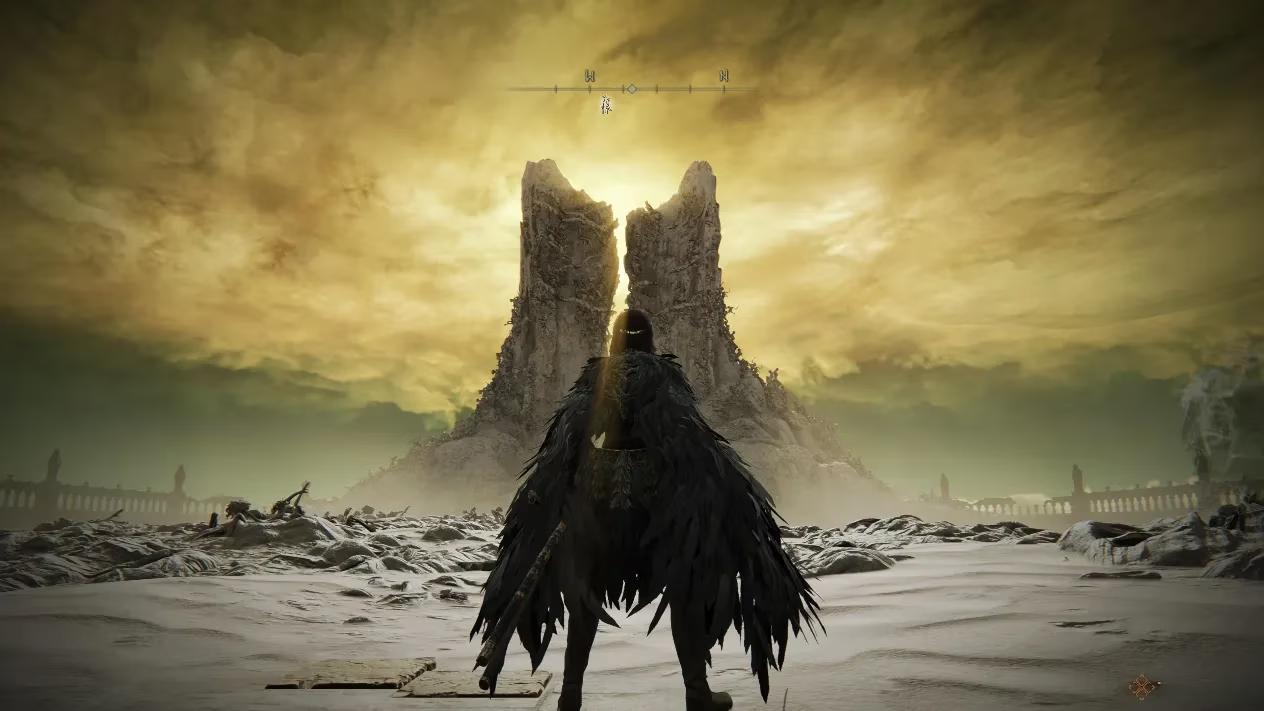
Of course, Marika's people weren't the Hornsent's only victims. Their Inquisitors, an order that prized age and doctrinal purity, were the enforcers of this brutal faith. Their most significant failure, however, was with Midra, the failed lord of the Frenzied Flame. 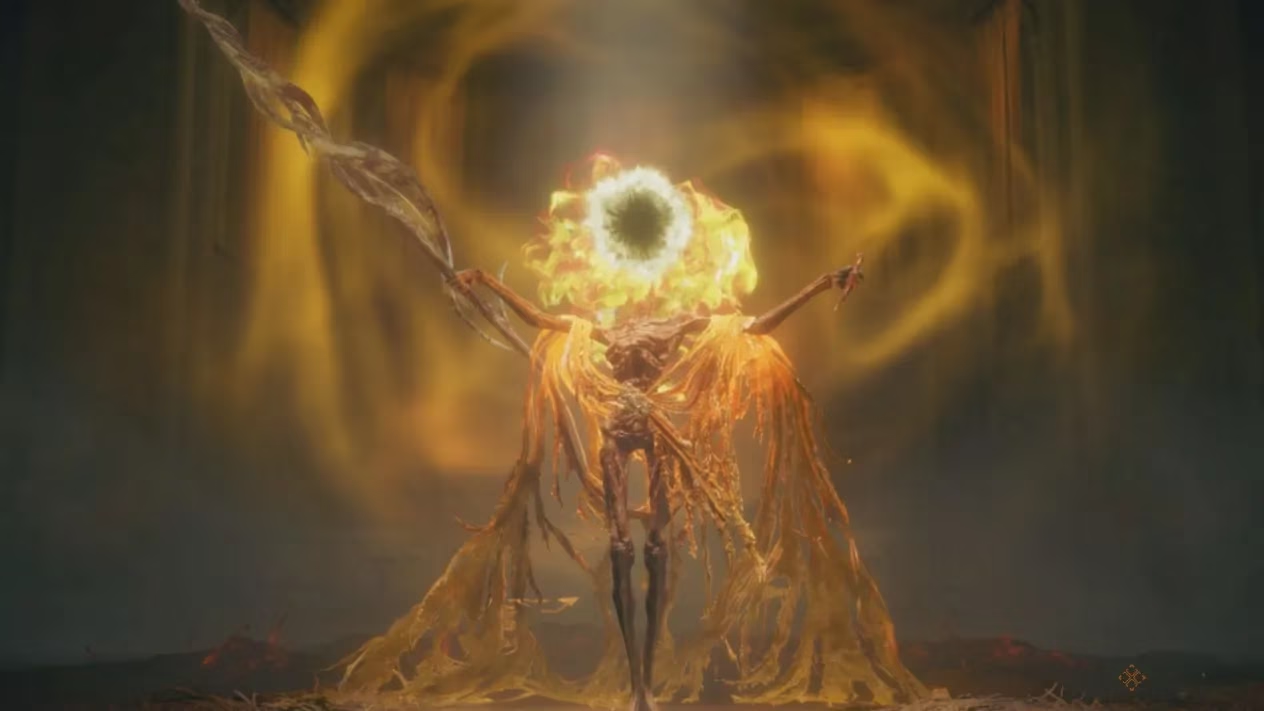 Though they couldn't purge him, they marked his domain, the Abyssal Woods, as forbidden. The weapons of the Inquisitors, like the Greatsword of Damnation forged from Midra's remembrance, were tools of damnation, their techniques chillingly similar to the crucifixions later used by Marika's own Golden Order.
  This prejudice trickled down into everyday horrors. The tragic Man-flies, hornless beings nursed into a 'safe' death, likely suffered from a disease manufactured by the Hornsent to cull the unwanted. The message was clear and cruel: no horns, no worth.
The heart of Hornsent divinity, and the key to understanding their goals, is the colossal tower of Enir-Ilim. 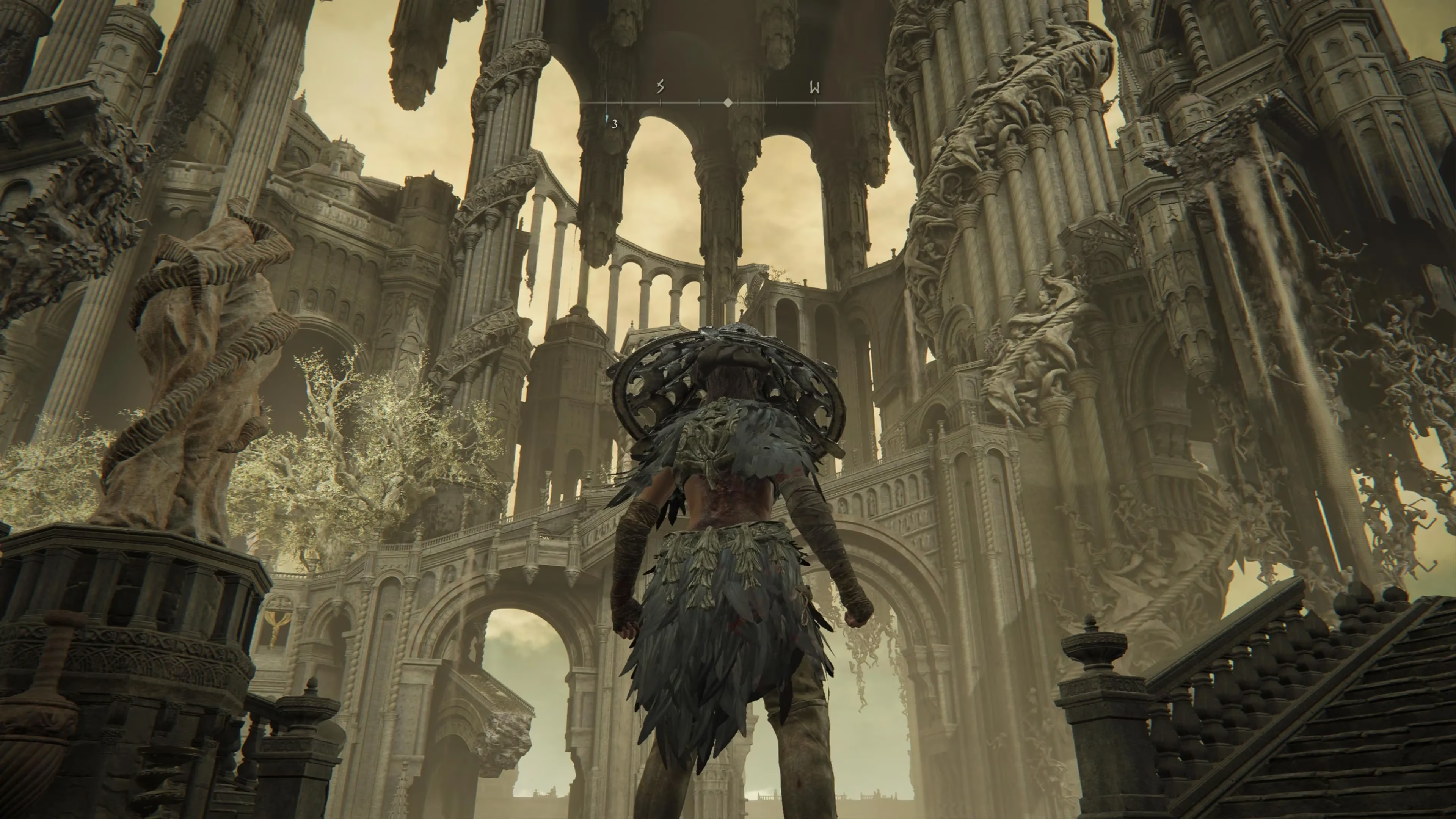 This was no mere settlement; it was a sacred forge for godhood, likely sealed to prevent another like Marika from ascending. Its pillars, formed of calcified corpses, tell a grim story. They are the stolen divinity of the unworthy, the literal building blocks of the Hornsent's ambition. The incantation Spira reveals their ultimate aim: "The spiral is a normalized Crucible current that, one day, will form a column that stretches to the gods."
  Enir-Ilim was their spiral, their attempt to reach the divine, and the hornless were the sacrificial steps on that path.
But who counts as Hornsent? The definition extends beyond humanoids. The Divine Bird Warriors of the Rauh Ruins, modelled after ancient Divine Beasts, were part of this belief system. The Talisman of All Crucibles is even referred to by the Hornsent as the 'Mother of Crucibles,' a legendary artifact hinting at their origins.  This connection to horned beings creates a tragic irony in The Lands Between. Under Marika's rule, horns became a curse. The Fell Omen twins, Morgott and Mohg, children of Marika herself, were shunned and buried beneath Leyndell for their horns.
 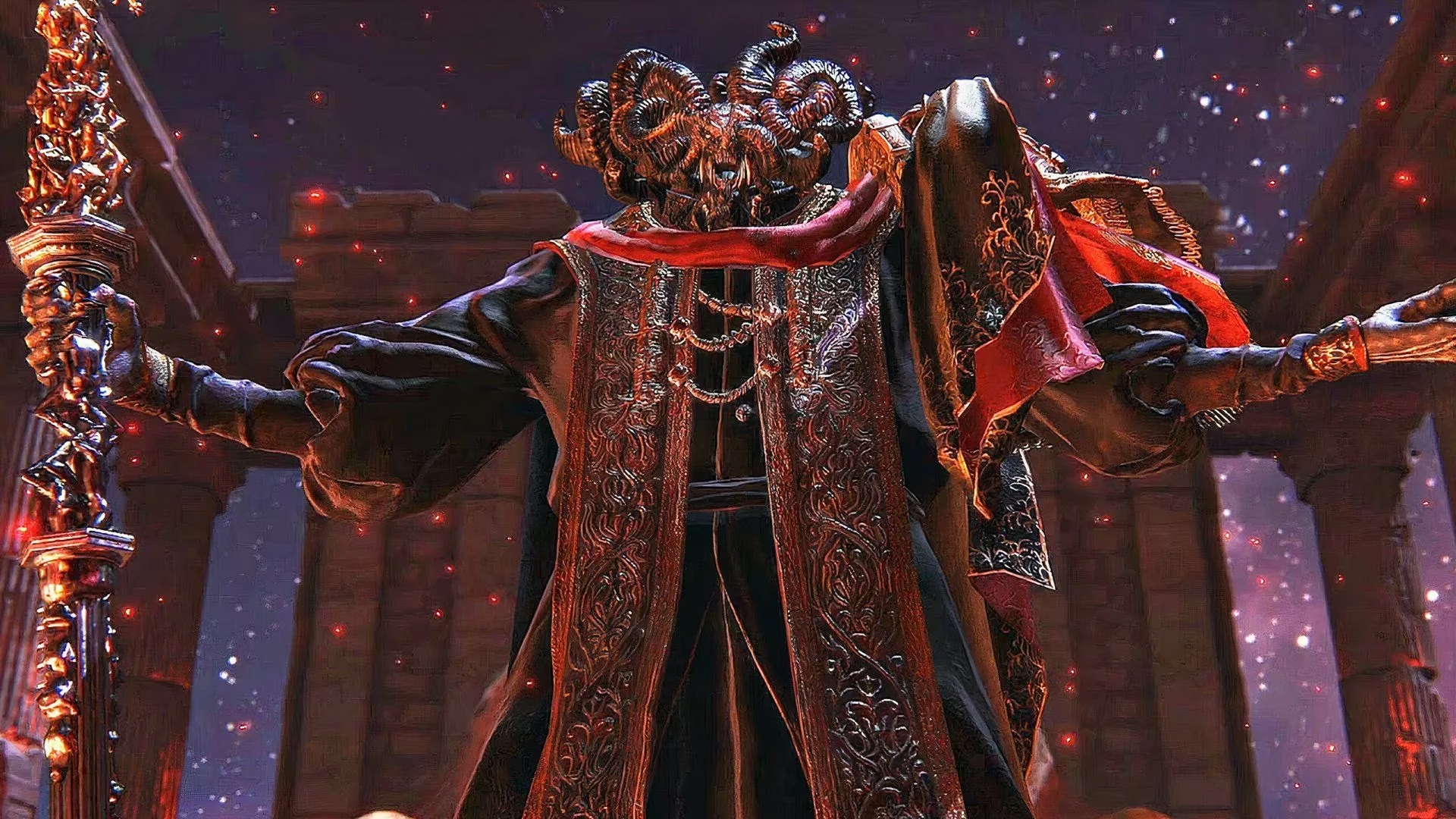 In a world without the Golden Order, they would have been celebrated as Hornsent nobility. Even the reclusive Ancestral Followers, with their great antlers, share eerie parallels; their weapon, the Winged Greathorn, was used to "reap those whose horns did not sprout buds," a practice hauntingly similar to Hornsent purification rituals.
Ultimately, the Hornsent's story is inextricably linked to the concept of the Crucible—the primordial, chaotic energy from which all life sprang. 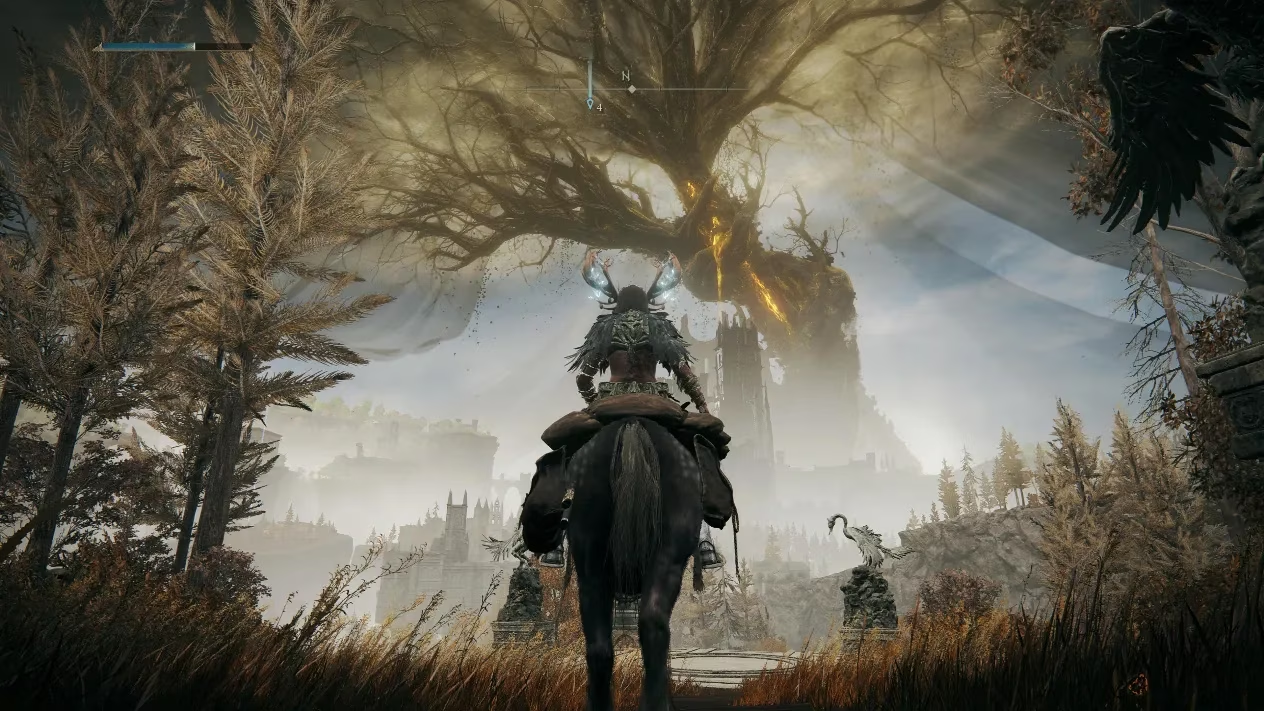 Horns are a natural byproduct of this ancient power, seen in beings from the ancient dragons to the first Elden Lord, Placidusax, who may have been the Crucible's very champion. The Hornsent seemed intuitively aware of this. They gathered the primordial sap from their sacred trees in giant chalices, metaphorical crucibles, in an attempt to harness the very essence of creation they coveted. Their entire society, from their spiral ideology to their brutal hierarchy, was a desperate, violent attempt to control and ascend through the power of the primordial Crucible, a power that even the Greater Will could never fully erase. In the end, their greatest creation was not a god, but their own greatest enemy: a hornless woman named Marika, who used their own methods of persecution to build a new world order atop their forgotten bones.