As I stand here in 2026, reflecting on the monumental journey that was Elden Ring, the question of a sequel still hangs in the air like the haunting mists of the Lands Between. The game's sprawling, punishing world, forged by the minds of Hidetaka Miyazaki and George R. R. Martin, left an indelible mark on us all. Even with the incredible Shadow of the Erdtree DLC now a cherished part of its legacy, the desire to return to this universe is a powerful, lingering flame. Yet, the path to a true sequel is shrouded in the same deliberate mystery that defines FromSoftware's creations. While the dream of Elden Ring 2 is a captivating one, the reality is a complex tapestry of creative process, time, and the sheer scale of ambition that such a project would demand.
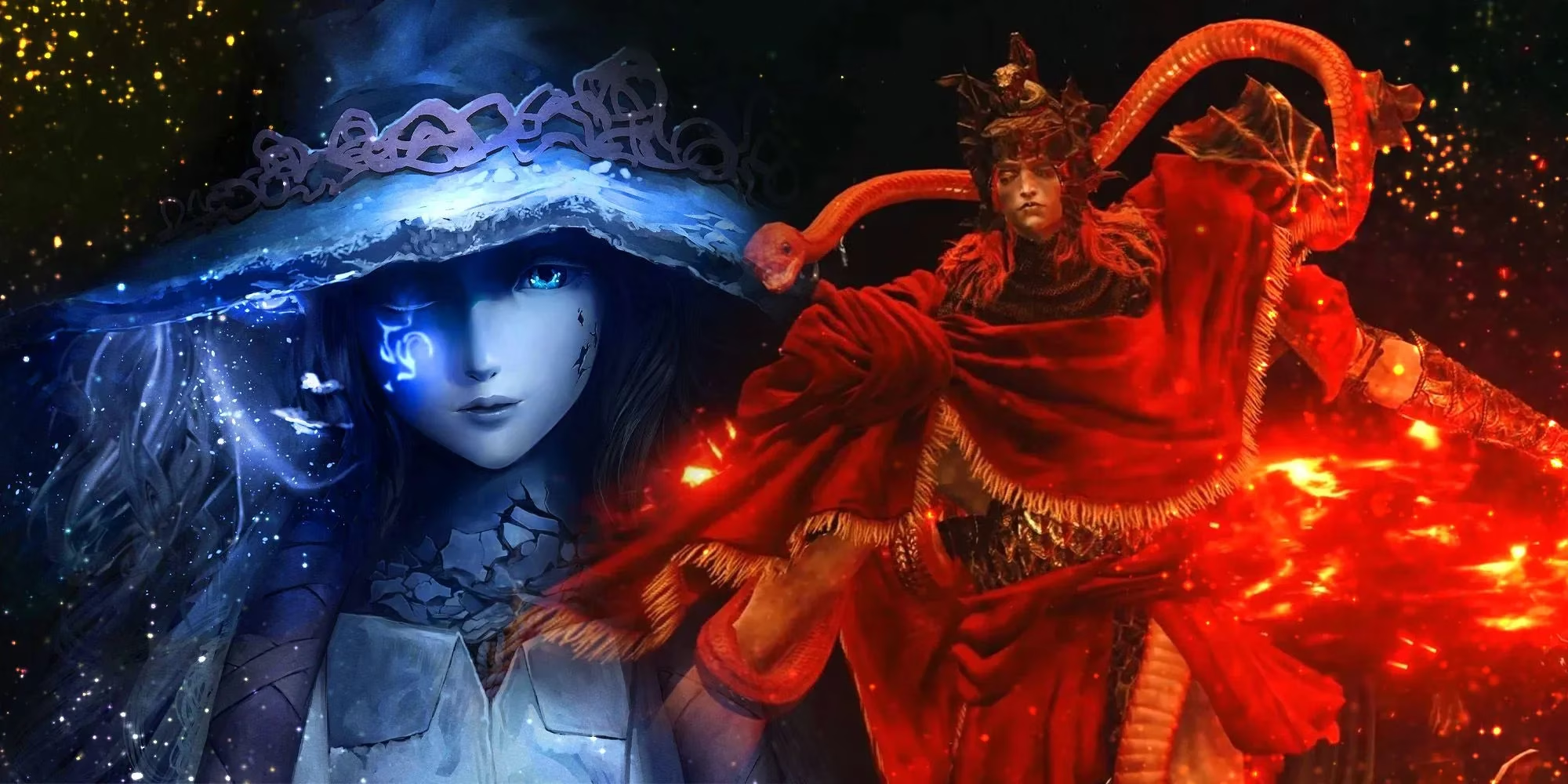
Let's be clear: there is no official confirmation that Elden Ring 2 is in active development. Director Hidetaka Miyazaki has been characteristically pragmatic in his statements. He has never ruled out the possibility, which in itself is a significant admission from the head of a studio known for its meticulously crafted, standalone worlds. FromSoftware's history shows they rarely put a definitive end to a popular franchise. Just look at the Dark Souls series—while Miyazaki has expressed personal disinterest in a Dark Souls 4, he has left the door open for others at the company to continue that legacy. This pragmatic approach is key. With Elden Ring having sold over 23 million copies, the commercial incentive for a sequel is undeniable. It's almost a guarantee of immense interest and success. So, from a purely logical standpoint, the idea is undoubtedly on the table, a potential future project waiting in the wings.
However, acknowledging a possibility is a world away from greenlighting production. Game development, especially for a title of Elden Ring's stature, is a marathon, not a sprint. The original game began its journey in 2017, finally seeing release in 2022 after five long years of creation. And even then, its world continued to grow and be refined through patches and, ultimately, the massive Shadow of the Erdtree expansion, which arrived over two years post-launch. This timeline isn't an anomaly; it's the standard for building these intricate, living worlds. A sequel would face the same monumental task. It wouldn't simply be a matter of reusing assets or expanding the map. The lore of Elden Ring, with its multiple, wildly divergent endings, presents a narrative labyrinth. A sequel would need to either choose a canonical path—a difficult prospect for a game built on player choice—or craft a narrative that somehow acknowledges or transcends all possibilities. This requires not just time, but a vast amount of new creative detail to support a fresh, compelling story.
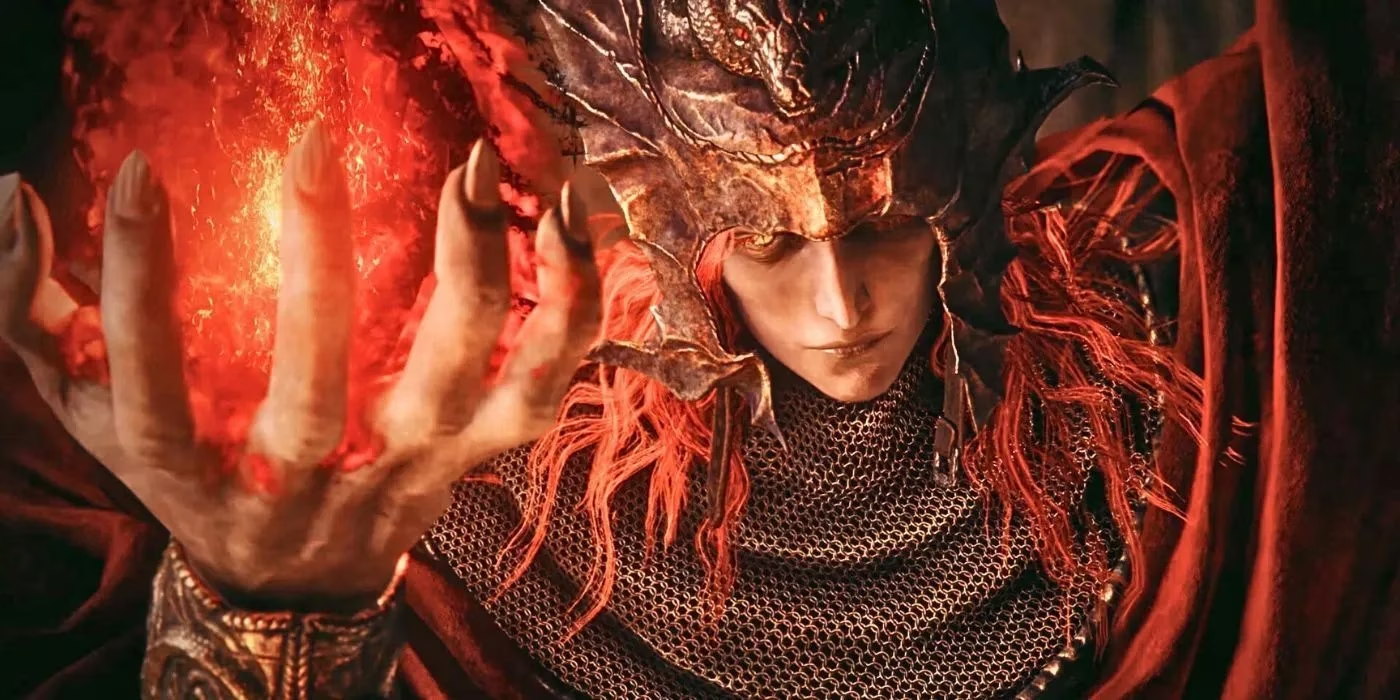
I often think about the foundational work of George R. R. Martin. His contributions to the mythos predated the central icon of the Erdtree itself, showing how the game's lore is a complex, layered construct built piece by piece over time. Elden Ring 2 would need a similar foundation. It couldn't just coast on the original's success; it would need to establish its own identity, its own mysteries, and its own breathtaking vistas to explore. The sheer scale of this undertaking means that even in the most optimistic scenario where development began shortly after Shadow of the Erdtree wrapped, we would still be looking at a wait of several years. The silence from FromSoftware isn't a sign of abandonment; it's the sound of a studio that knows the weight of expectations and the depth of work required.
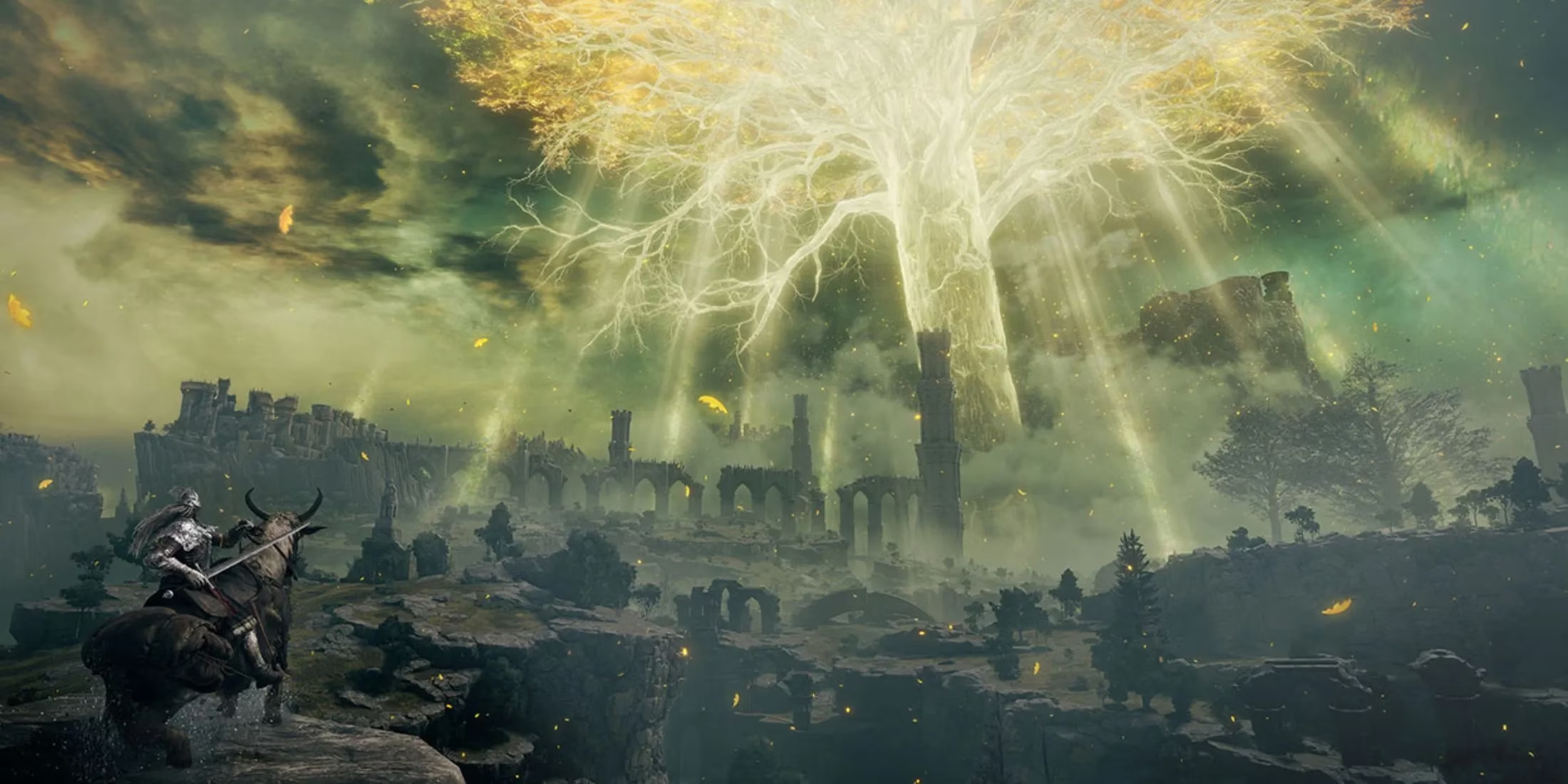
So, where does that leave us, the players who yearn for more? In a place of patient, cautious hope. The legacy of Elden Ring is secure. It redefined the open-world genre for many of us, blending unforgiving challenge with a sense of awe-inspiring discovery. Its world is still being explored, its secrets still debated. The possibility of a sequel is a tantalizing thread, but one we must not pull on too hard. Miyazaki's words are a reminder that FromSoftware operates on its own timeline, prioritizing the quality and vision of a project above all else. They have other worlds to build, other nightmares to dream. A follow-up to Elden Ring will come only when they have a story worth telling that meets their impossibly high standards.
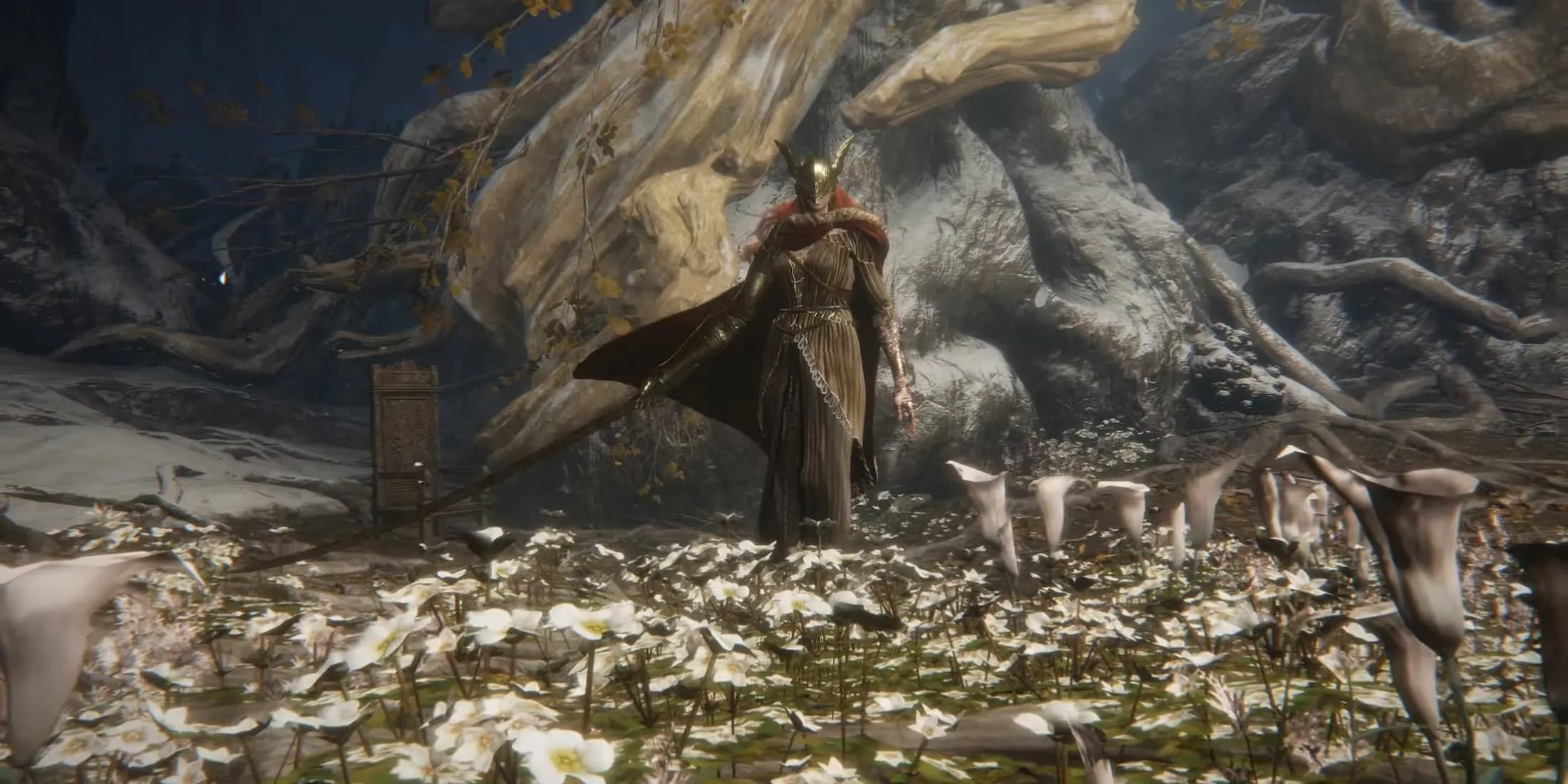
In the meantime, the Lands Between lives on. The haunting beauty of its landscapes, the brutal elegance of its combat, and the profound silence of its storytelling continue to captivate new Tarnished. Perhaps that's the true magic of this game—it feels complete, yet endlessly expansive in our imaginations. A sequel would be a gift, but it is not a necessity for the original's legacy to endure. For now, I am content to remember my journey, to occasionally dive back in to face a familiar boss, and to watch the Erdtree's light from a distance, wondering what new shadows might one day be cast upon this world we've come to love. The future is unwritten, and in the hands of FromSoftware, that is the most exciting possibility of all.