In the sprawling, desolate beauty of the Lands Between, every scar tells a story, and every Tarnished carves their own path. But what if the very first choice a player makes—the selection of their character's class—echoed through their entire journey with far greater consequence? As the gaming world looks forward to FromSoftware's next ambitious project in 2026, the evolution of the class system from Elden Ring presents a tantalizing frontier. The foundation is there, but the potential for deeper, more meaningful specialization has only just been tapped. Could the next chapter in the Soulslike saga transform a simple starting point into a defining pillar of identity and gameplay?
The Current State: A Foundation, Not a Fate
In Elden Ring, a player's chosen class—be it the stalwart Vagabond, the nimble Warrior, or the arcane Astrologer—serves primarily as an initial blueprint. It determines starting stats, level, and equipment, offering that crucial first nudge toward a particular playstyle. A Confessor begins with a seal and incantations, hinting at a faith-based journey, while a Samurai is gifted with a trusted bow and katana. Yet, as any seasoned Tarnished knows, this influence is fleeting. The game's vast open world and abundant resources allow players to completely reinvent their characters. That astrologer can, with enough runes and determination, become a heavily-armored colossus wielding a colossal hammer. The class becomes less of a destiny and more of a suggestion, its significance diluted over dozens of hours of exploration and growth. Is this sheer freedom, or a missed opportunity for deeper role-playing?
Deepening the Bond: Permanent Class Identity
One compelling direction for a future Soulslike is to grant each class a unique, permanent perk or ability—a signature trait that grows with the player. Imagine a system where choice carries lasting weight:
-
The Thief/Assassin Class: Gains a permanent bonus to critical damage from backstabs and sneak attacks, making stealth a consistently potent tool rather than an early-game crutch.
-
The Spellcaster/Sorcerer Class: Possesses an innate ability to cast spells slightly faster or with reduced stamina cost, cementing their role as masters of the arcane throughout the entire adventure.
-
The Knight/Paladin Class: Boasts a unique, unshakable poise bonus when blocking with a shield, truly fulfilling the fantasy of an immovable guardian.
These aren't just starting stats; they are core identities. They would force players to consider not just their initial build, but how this inherent strength would synergize with late-game weapons, spells, and talismans. Suddenly, the choice between a Prophet and a Hero isn't just about early-game convenience; it's a commitment to a fundamental aspect of your combat philosophy. How would these inherent traits reshape the dreaded boss fights we've come to both fear and love?
Weaving Class into the World: Exclusive Quests and Lore
The world of a Soulslike is famously dense with environmental storytelling and cryptic NPC narratives. What if your class keyed you into secrets others could never see? Future games could borrow a page from RPGs like Mass Effect, where a character's background unlocks unique missions and dialogues.
| Class | Potential Exclusive Quest Hook | Possible Reward |
|---|---|---|
| Cleric/Prophet | An ancient, crumbling shrine reacts to your faith, offering a quest to restore it. | A sacred seal that dramatically empowers healing incantations. |
| Warrior of a Lost Kingdom | A ghostly soldier recognizes the insignia on your starting gear, pleading for you to reclaim his lord's banner. | A unique greatsword with a weapon skill tied to that kingdom's lost martial art. |
| Wretch (or similar 'blank slate' class) | Your apparent lack of origin intrigues a mysterious scholar, leading to a quest about the nature of the soulless. | An item that allows subtle stat reallocation, reflecting your self-made nature. |
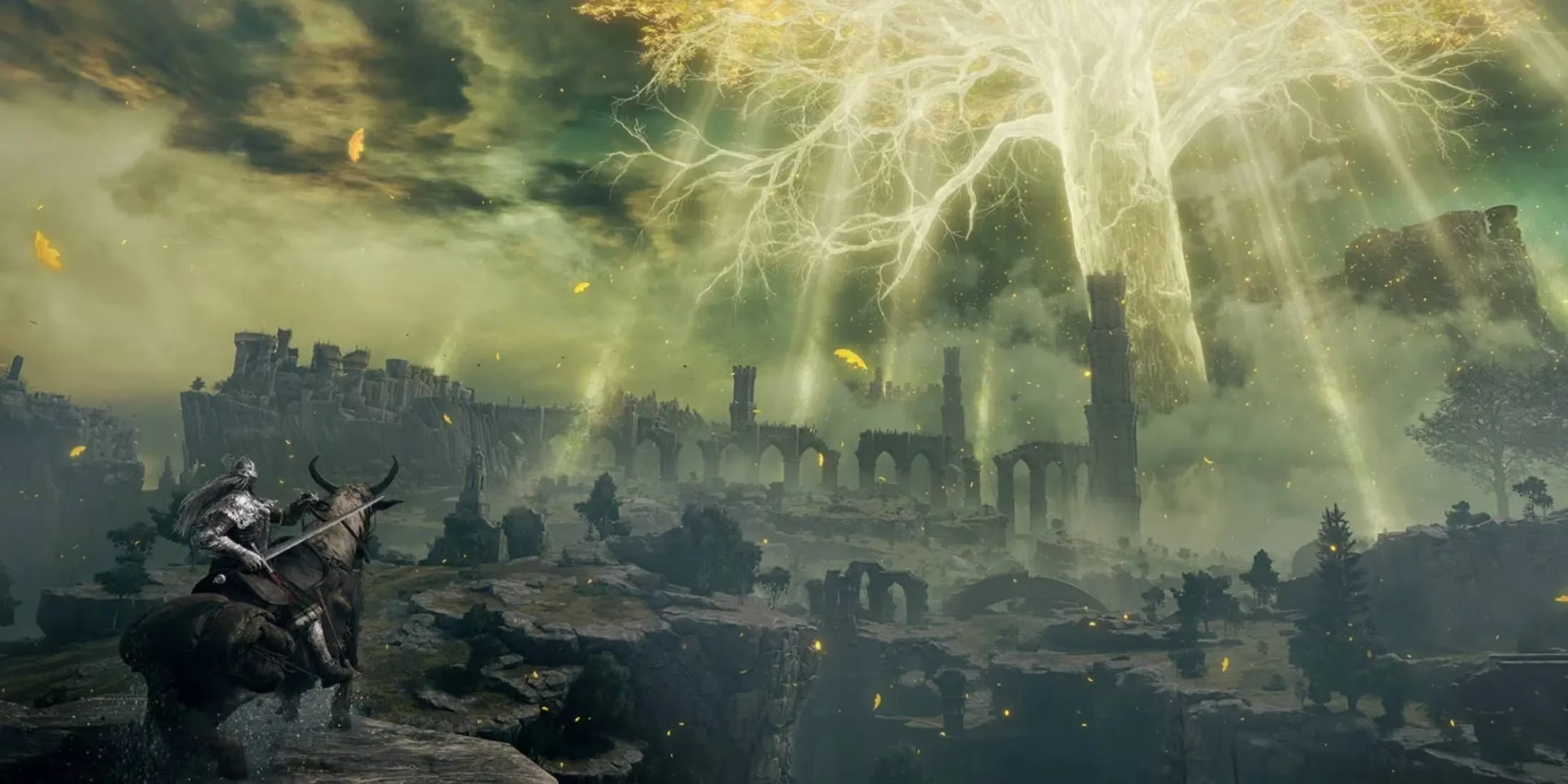
An ancient site like this could hold secrets only accessible to a character strong in faith.
These class-locked narratives would accomplish two things: they would make the world feel even more reactive to the player's specific identity, and they would provide tailored rewards that perfectly complement the intended playstyle of that class. It transforms the class from a statistical template into a narrative key, unlocking doors in the world that remain closed to others. Would you choose a class for its combat style, or for the unique story it promises to tell?
The 2026 Vision: A Synthesis of Choice and Consequence
Looking ahead to the next generation of Soulslikes in 2026, the goal should be synthesis. The incredible freedom of Elden Ring—to hybridize, experiment, and redefine your character—should remain sacrosanct. However, layering upon that foundation a system of meaningful class identity would create a richer, more rewarding role-playing experience. Players would be making a true archetypal choice, not just a preliminary one.
Consider the replay value: a second playthrough as a different class wouldn't just be a slightly harder start; it would be a genuinely different lens through which to view the world, with new quests to discover, new NPCs to interact with, and a unique mechanical strength to build around. The "best" class would cease to exist, replaced by the "most interesting for your desired story."
The classes of Elden Ring are a masterful foundation. They provide guidance without imposing limits, a perfect introduction to a brutal world. But for FromSoftware's next masterpiece, the call is clear: Let our first choice be our lasting legend. By embedding permanent traits and world-altering narratives into the class system, the studio can ensure that the path we choose at creation is the path that truly defines our journey, from the first, trembling steps to the final, epoch-shaping decision. The Tarnished of the past found their power in the world. The hero of the future should carry a piece of their destiny within them from the very beginning.