As we look at the gaming landscape in 2026, one element continues to anchor the most visceral and satisfying combat experiences: the shield. It's no longer just a piece of wood or metal strapped to an arm—it's a cornerstone of tactical gameplay. I've spent countless hours across sprawling digital worlds, and I can confidently say that the evolution of shield mechanics has been one of the most rewarding developments in modern RPG and action game design. From pure, stalwart defense to aggressive, bone-crunching offense, the humble shield has been redefined. But what is it about these defensive tools that makes combat feel so tactile and engaging? Let's delve into the games that have perfected this art.
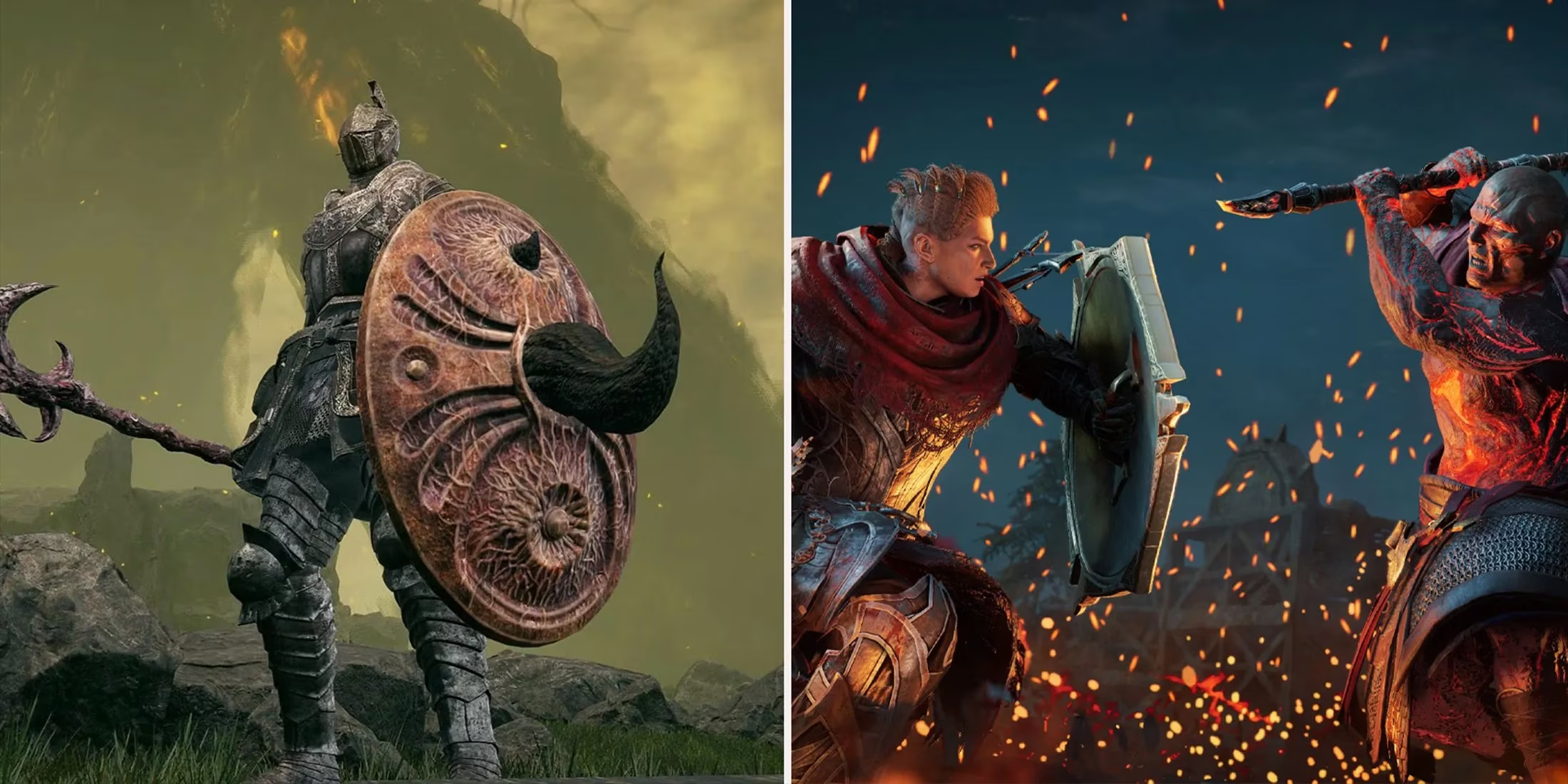
🛡️ The Pillar of Tamriel: Skyrim's Enduring Legacy
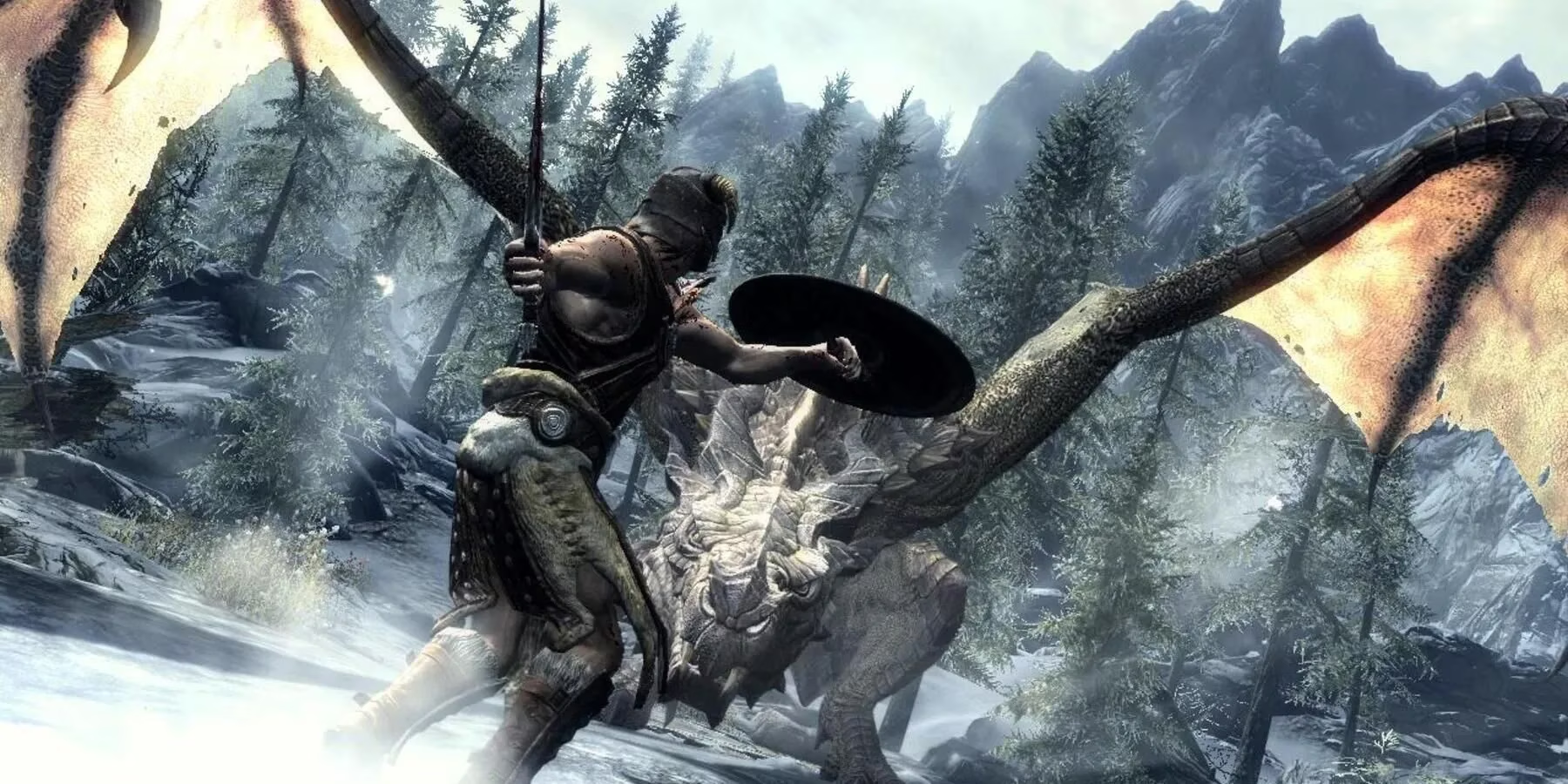
When discussing foundational open-world experiences, The Elder Scrolls V: Skyrim remains an evergreen titan. Even now, its influence is palpable. What many players might not fully appreciate is the depth Skyrim brought to a seemingly simple act: raising a shield. The game didn't just have blocking; it had a dedicated Block skill tree. This system rewarded specialization, allowing players to transform from a novice who clumsily absorbs blows into a master who can stagger dragons with a well-timed bash.
The genius lies in the combat loop it creates. You're not just hiding behind a barrier. You're actively participating:
-
Raise your shield against an incoming power attack.
-
Stagger the enemy with a powerful shield bash, creating an opening.
-
Exploit the weakness with your sword, axe, or mace.
This simple triad of block, bash, and strike creates a rhythm that feels immensely satisfying. It turns defense into a proactive, aggressive tool. Isn't it fascinating how a skill tree can elevate a basic mechanic into a core playstyle?
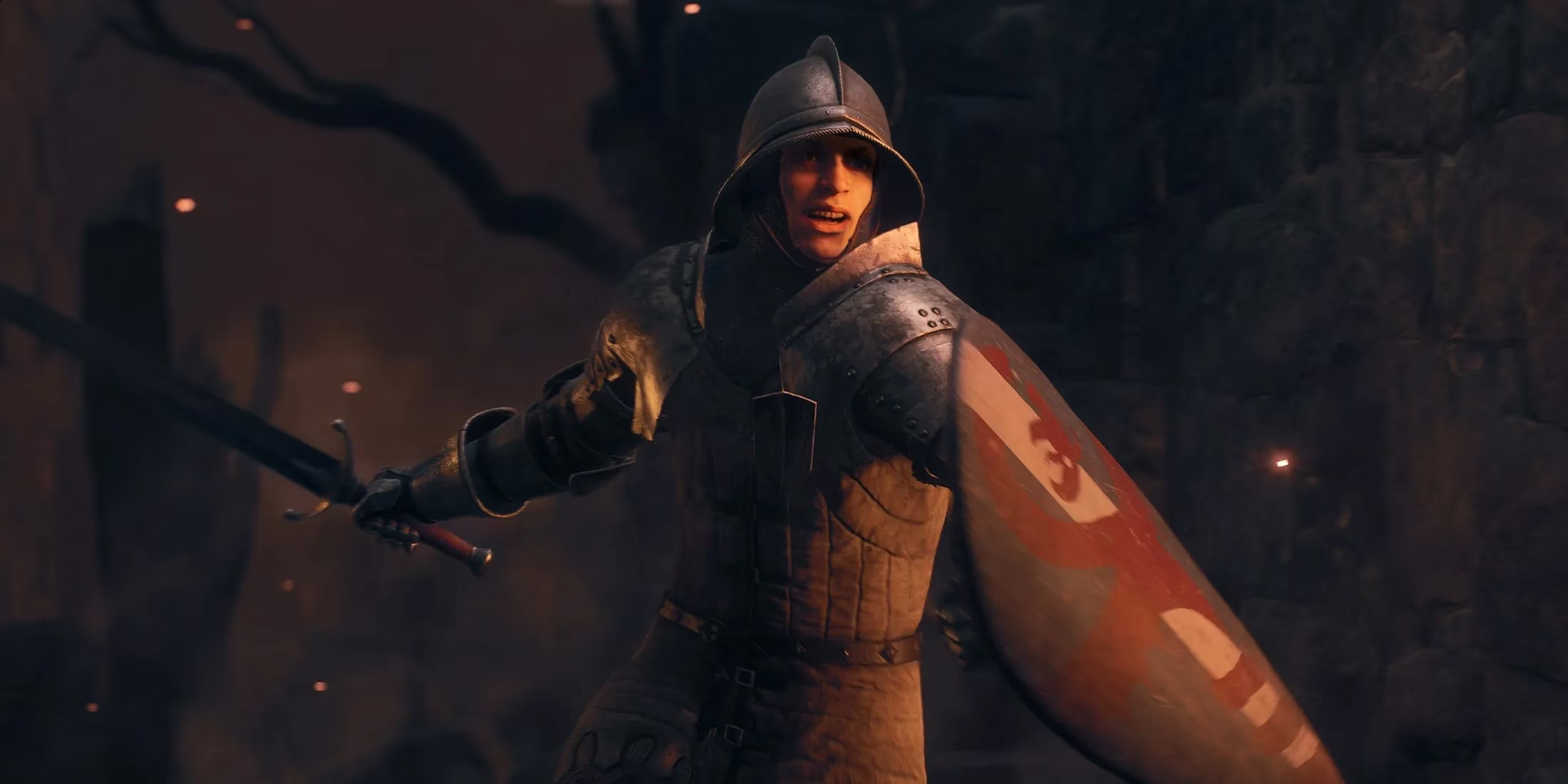
🗡️ Synergy and Spectacle: Dragon's Dogma 2's Innovative Approach
Fast forward to the modern masterpiece, Dragon's Dogma 2. This game took the concept of party-based combat and infused it with unparalleled creativity. The Fighter vocation is the quintessential sword-and-board archetype, but Capcom's designers asked a brilliant question: What if a shield could be used for more than just protecting its wielder?
The answer is a suite of abilities that redefine teamwork. The most iconic is the "Launchboard" skill. A Fighter can plant their shield, allowing a Thief or Archer pawn to use it as a springboard to vault into the air and strike a monster's weak point. Furthermore, Fighters can use their shields to break a long fall, mitigating damage. This transforms the shield from a personal tool into a lynchpin of party strategy. It's a perfect example of how modern game design thinks about equipment in systemic, interactive ways.
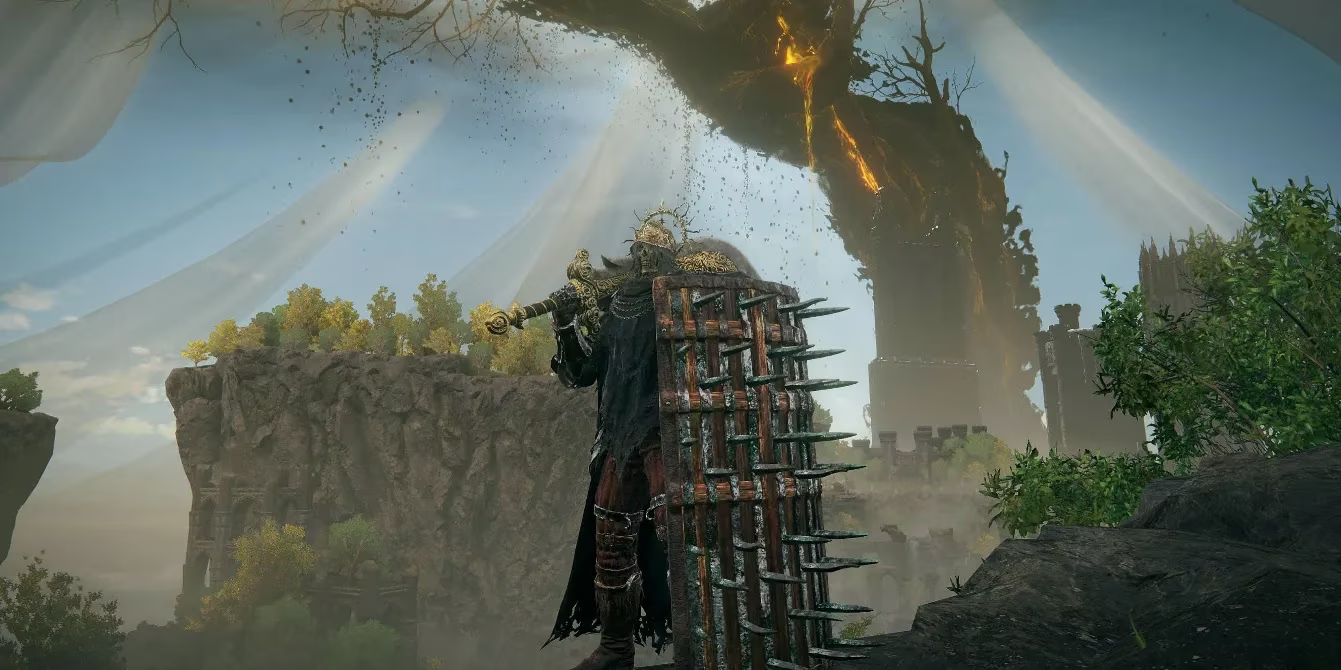
💀 The Strategic Bulwark: Elden Ring's Defensive Mastery
FromSoftware's Elden Ring presented a world of brutal challenge, traditionally associated with precise dodges. However, it also offered a powerful alternative: becoming an immovable fortress. Elden Ring's shield system is arguably the most robust in the Soulsborne lineage, offering a legitimate and deeply strategic playstyle centered on defense.
The key is choice and customization. Players aren't limited to one type of shield; they have a vast arsenal:
| Shield Type | Playstyle | Best For |
|---|---|---|
| Greatshields | Tanking | Players who want to stand firm and absorb colossal blows. |
| Medium Shields | Balanced | A mix of solid defense and the ability to parry. |
| Small Shields | Parry Focus | Specialists who live for the perfect, fight-ending deflect. |
This spectrum allows players to tailor their defensive approach. You can build a character who uses a colossal tower shield to nullify damage entirely, or a duelist who uses a buckler to create fleeting counter-attack opportunities. The satisfaction of holding the line against a demigod's onslaught, your shield shuddering with each impact, is a unique and powerful fantasy that Elden Ring delivers flawlessly.
⚔️ Viking Fury: The Dual-Wielded Offense of Assassin's Creed Valhalla
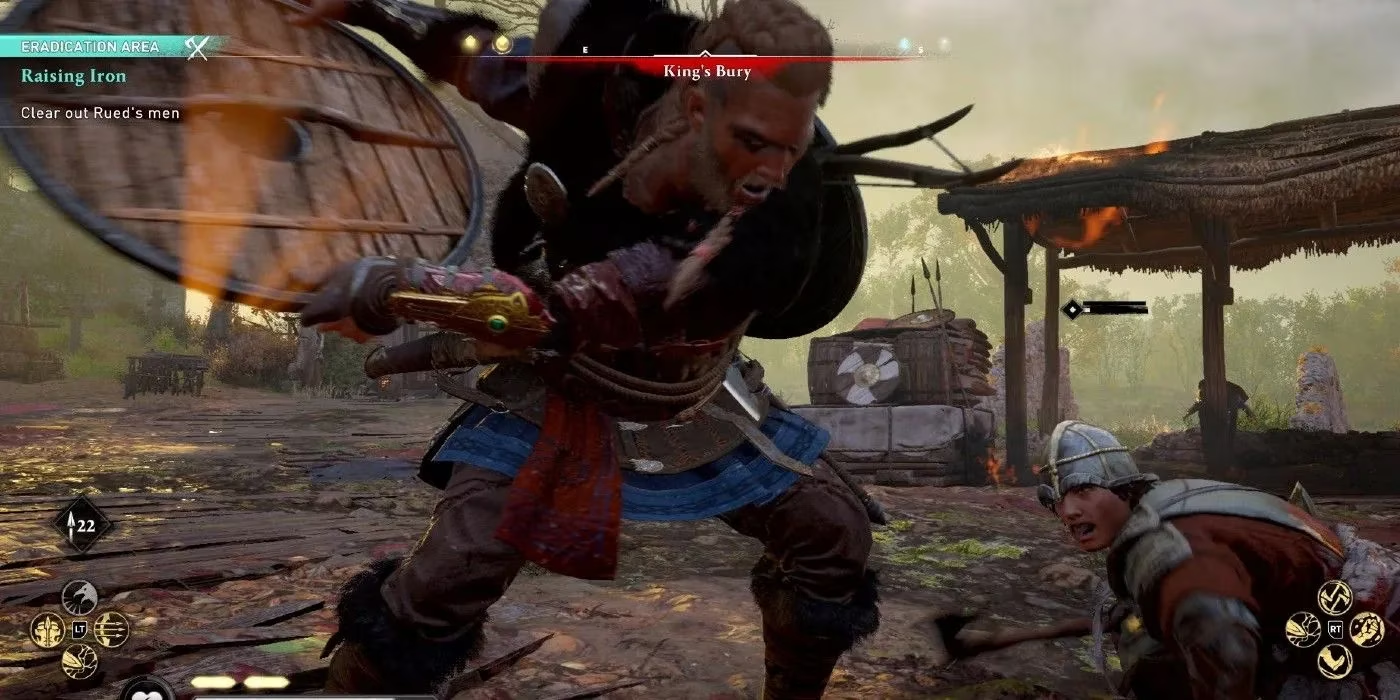
Ubisoft took a dramatically different, yet equally satisfying, route with Assassin's Creed Valhalla. Embracing the Viking ethos, the game reimagined the shield not as a passive defender, but as a primary instrument of aggression. The most thrilling innovation? Dual-wielding shields.
This might sound absurd, but in practice, it's a brutally effective and incredibly fun playstyle. Eivor can equip a shield in each hand, leading to a combat flow that is less about careful blocks and more about overwhelming, percussive force. You become a walking battering ram, using shield bashes and sweeps to control crowds and shatter enemy guards. It completely inverts the traditional role, asking: Why block an attack when you can smash the attacker first? This design philosophy highlights how a shift in cultural and character context (from a guarded knight to a raging Viking) can fundamentally alter a core mechanic.
❄️ The Guardian's Parry: Visceral Impact in God of War
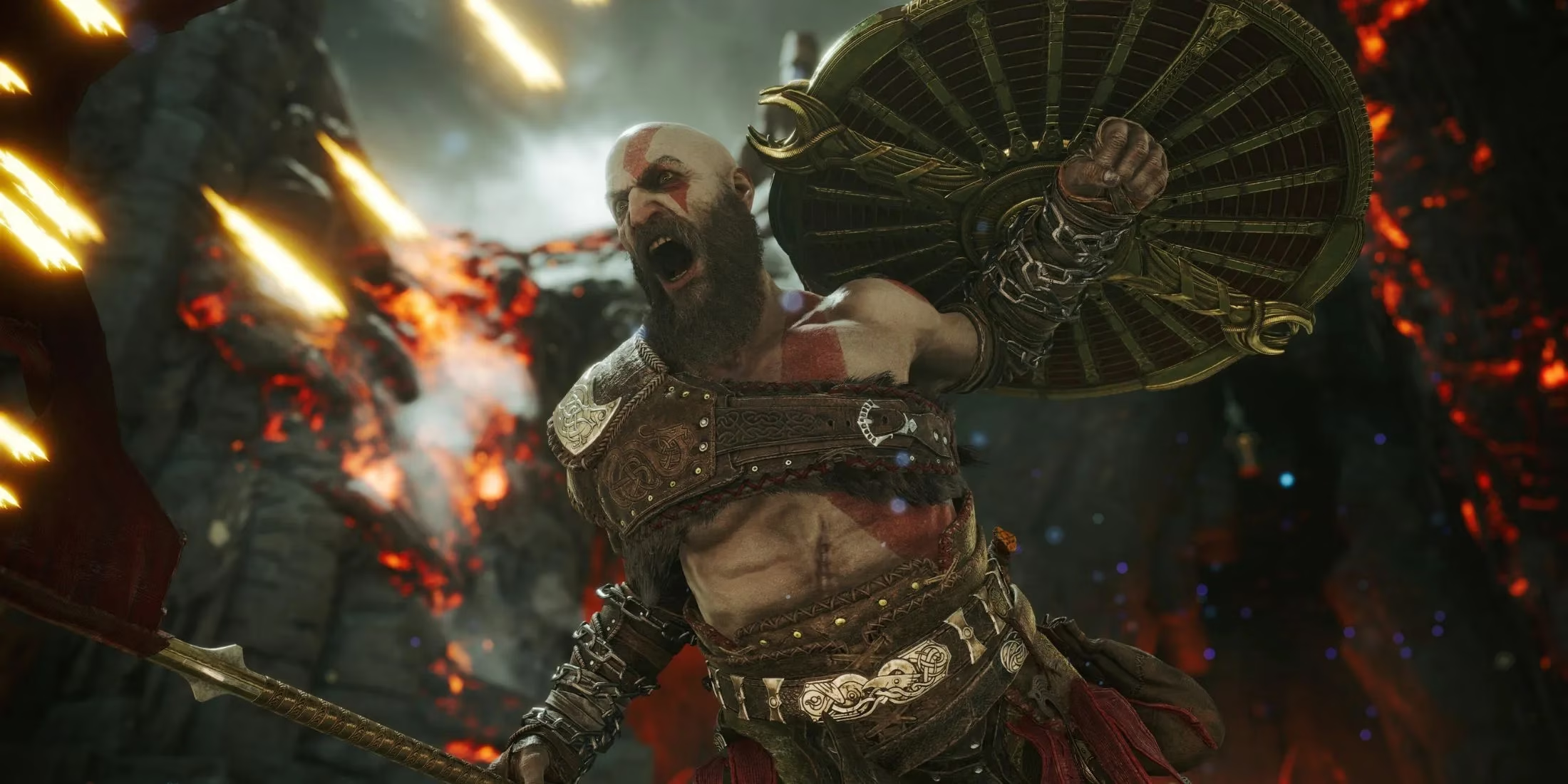
The God of War (2018) reboot and its sequel perfected the feeling of impact. Every axe throw, every punch, has weight. Kratos's shield, often overshadowed by the iconic Leviathan Axe and Blades of Chaos, is a masterpiece of tactile feedback. Its use goes beyond mechanics into the realm of pure sensation.
The parry system is the crown jewel. A perfectly timed block doesn't just negate damage; it creates a stunning visual and audio "clang," often staggering the enemy and opening them for a devastating counter. But the shield is also an offensive tool. Kratos uses it to bash, shove, and pummel enemies into walls or off cliffs. The combat system seamlessly blends defensive parries into aggressive combos, making the shield an extension of Kratos's raw power. It demonstrates that the most satisfying shield combat is often the one that feels the best in your hands—every block and bash resonating through the controller and screen.
🔮 The Future of the Shield
Looking back at these titans of the genre, the trajectory is clear. The shield has evolved from a simple stat-boosting item to a dynamic, systemically rich tool that defines combat identities. In 2026, we see this legacy continued and expanded upon in new titles, with shields enabling everything from cooperative puzzle-solving to manipulating physics engines.
The enduring lesson is that players crave meaningful interaction. We don't just want to hold up a button to reduce damage. We want to:
-
Create opportunities (Skyrim, Elden Ring)
-
Enable our allies (Dragon's Dogma 2)
-
Express a playstyle (Elden Ring's builds, Valhalla's dual-wielding)
-
Feel powerful feedback (God of War)
The shield, in the hands of thoughtful developers, has become one of gaming's most versatile and satisfying instruments. It proves that sometimes, the best offense is not just a good defense—it's a defense you can use to smash your enemies into the dirt. As we move forward, one has to wonder: what's the next evolution for this ancient piece of warrior kit? The potential, much like the worlds these games create, seems boundless.