As I reflect on my journey through The Lands Between in 2026, Elden Ring remains, for me, the pinnacle of FromSoftware's achievement. It masterfully blends the punishing DNA of Dark Souls with its own revolutionary spirit—vast open worlds, incredible Ashes of War, and the freedom to craft builds around Faith, Dexterity, or raw Strength. This freedom was my saving grace, especially when facing the game's roster of bosses. While some moved with blinding, terrifying speed, others presented a different kind of challenge: a slow, deliberate, and often melancholic dance. These were the bosses that taught me patience, pattern recognition, and sometimes, a touch of guilt. Their slowness wasn't always a sign of weakness, but a unique characteristic that defined our encounters.
My first real encounter with this deliberate pace was with the Tibia Mariners. I remember stumbling upon one early in my journey, a skeletal figure rowing silently through a misty lake. 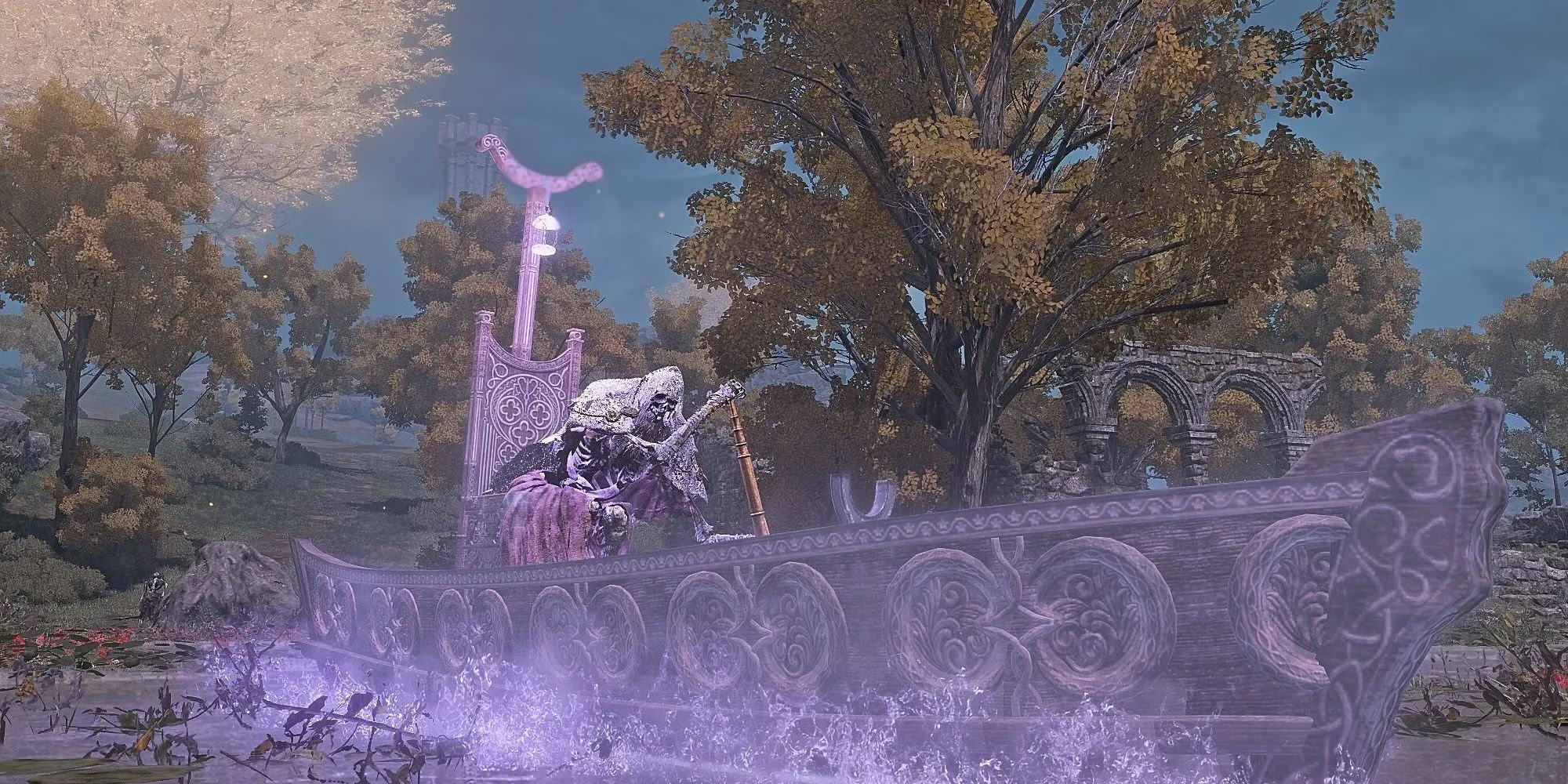 Their attacks were so heavily telegraphed that I almost felt bad attacking. They’d raise their oar with a creaking slowness, giving me all the time in the world to roll away. The real challenge back then wasn't their speed, but my own frail defenses. A couple of their slow hits could still end me, a harsh lesson that sent me searching for better armor before I dared face even the gentlest of giants.
Nothing, however, prepared me for the sheer beauty and sorrow of the Regal Ancestor Spirit. Walking into that starlit arena felt like trespassing in a sacred dream. 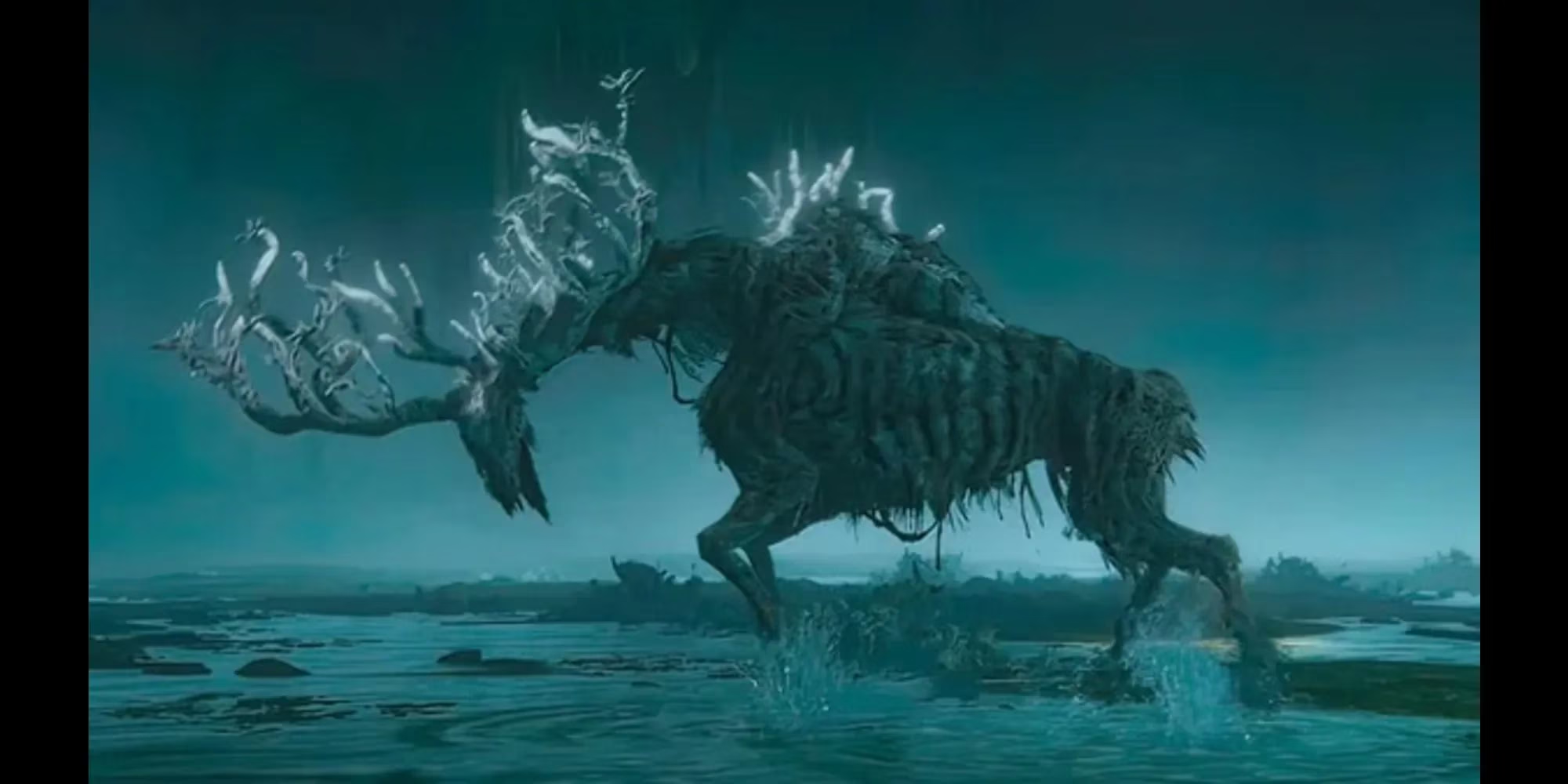 The music was haunting, the visuals ethereal, and the boss itself moved with a wounded, graceful slowness. It wasn't a fight; it felt like a mercy killing. Each of its attacks was a slow, luminous arc that I could avoid with ease, making the entire experience profoundly melancholic, reminding me of past FromSoftware tragedies. I didn't struggle to defeat it; I struggled with the act of defeating it.
The pace of battle shifted dramatically in the depths of Nokstella. The Dragonkin Soldier stood there, a hulking monument of failed ambition and frozen lightning. Its lore fascinated me—a tale of a botched quest for power. In combat, it was a classic lesson: slow movement, telegraphed strikes, but earth-shattering power behind each blow. 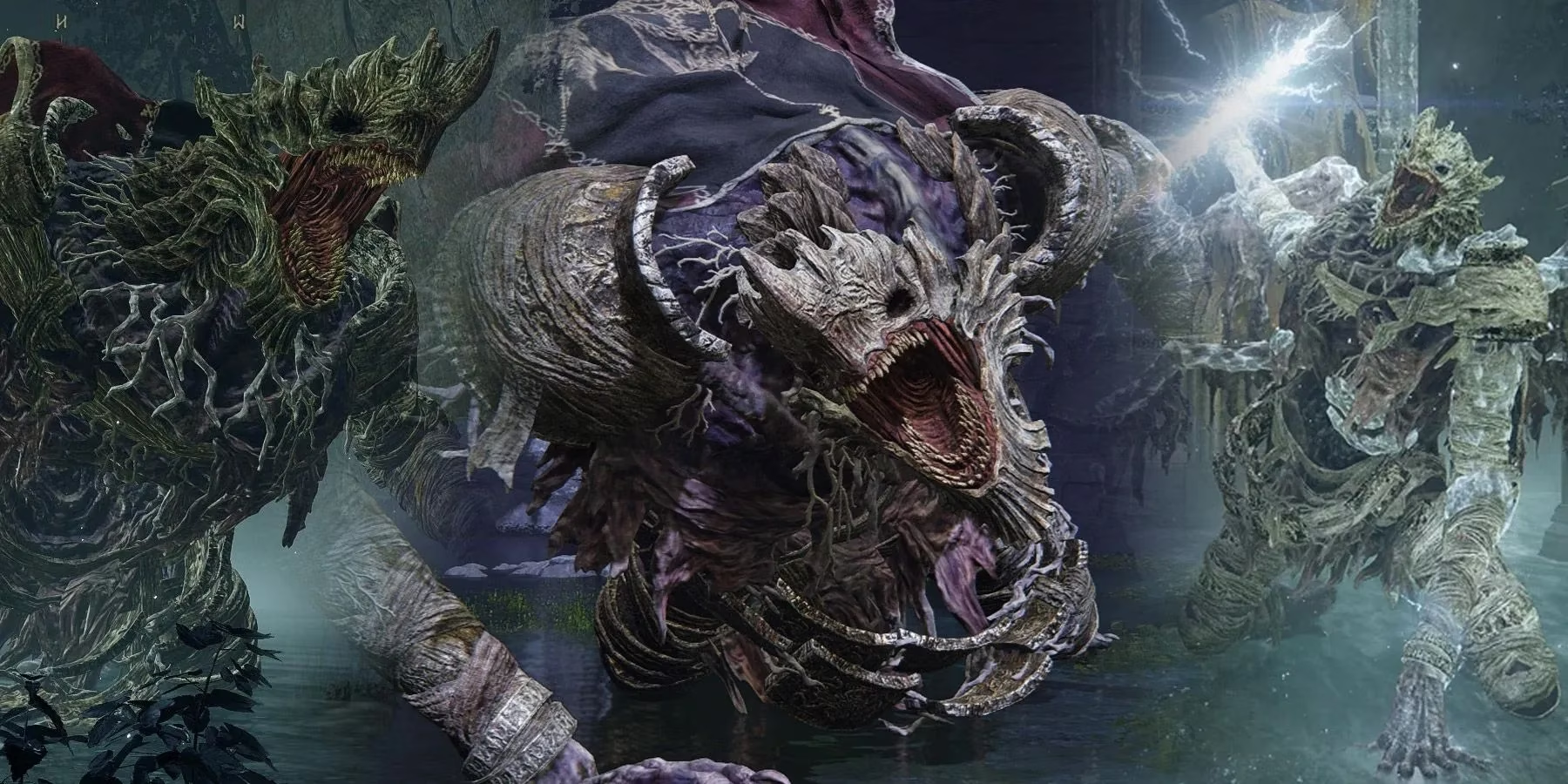 My heart would pound as it slowly reared back for a slam, knowing a direct hit would crush me, but its sluggishness made reading and dodging those attacks a manageable, almost rhythmic exercise. When I struggled, switching to a build that utilized powerful sacred seals gave me the edge I needed to finally topple this ancient construct.
Guardians of the Erdtrees, like the Putrid Avatar, presented a different kind of slow threat. 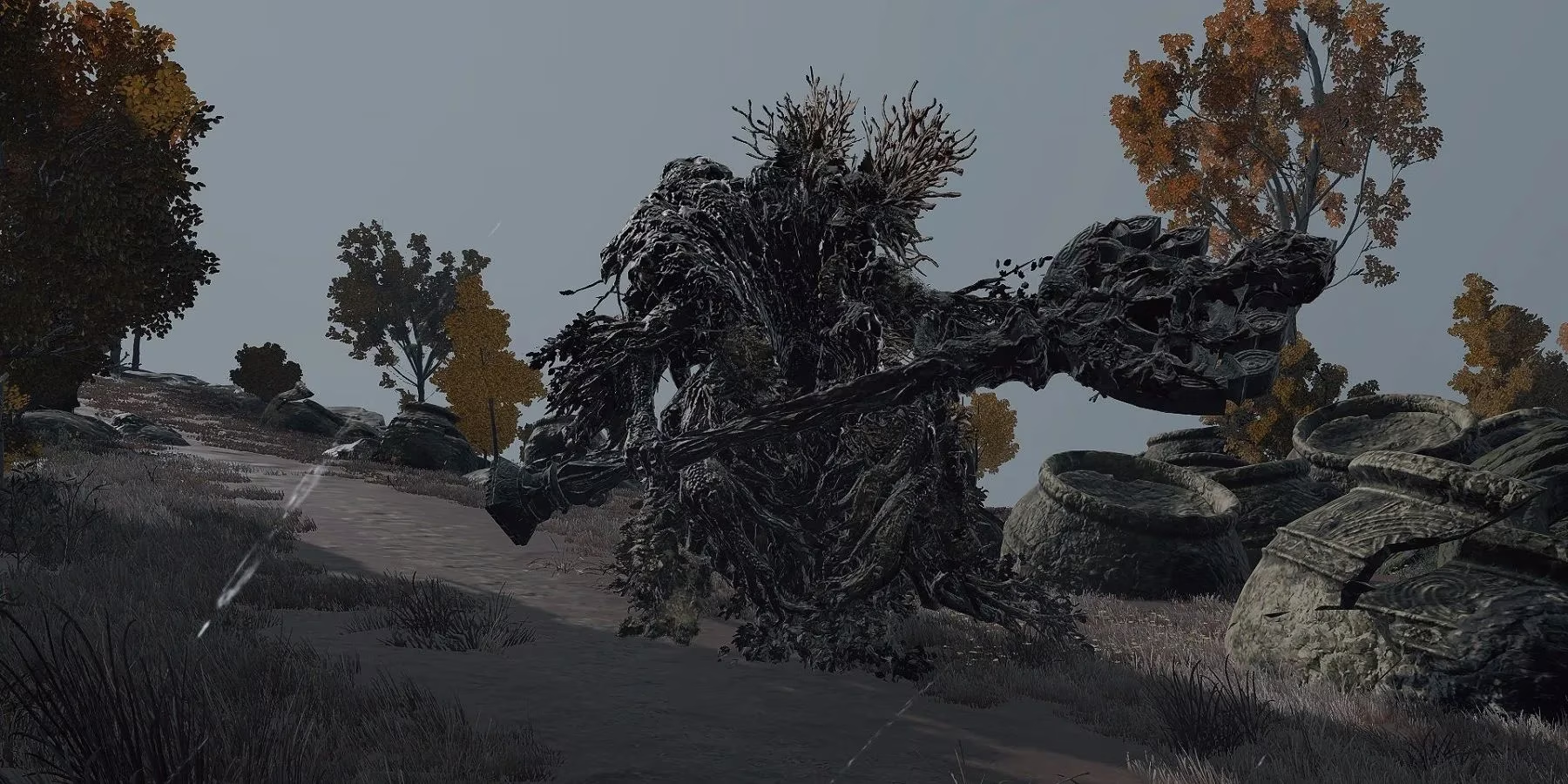 It wasn't just about slow swings; it was about slow, expansive danger. Its staff had incredible reach, and its area-of-effect attacks could cover ground I thought was safe. Yet, its core movement was plodding. The strategy became clear: respect its massive range, wait for the slow, telltale wind-up of its rot-infested slams, and dash in for a quick counterattack. It was a fight of patience versus poisonous power.
Then came the grand, grotesque spectacle of Rykard, Lord of Blasphemy. 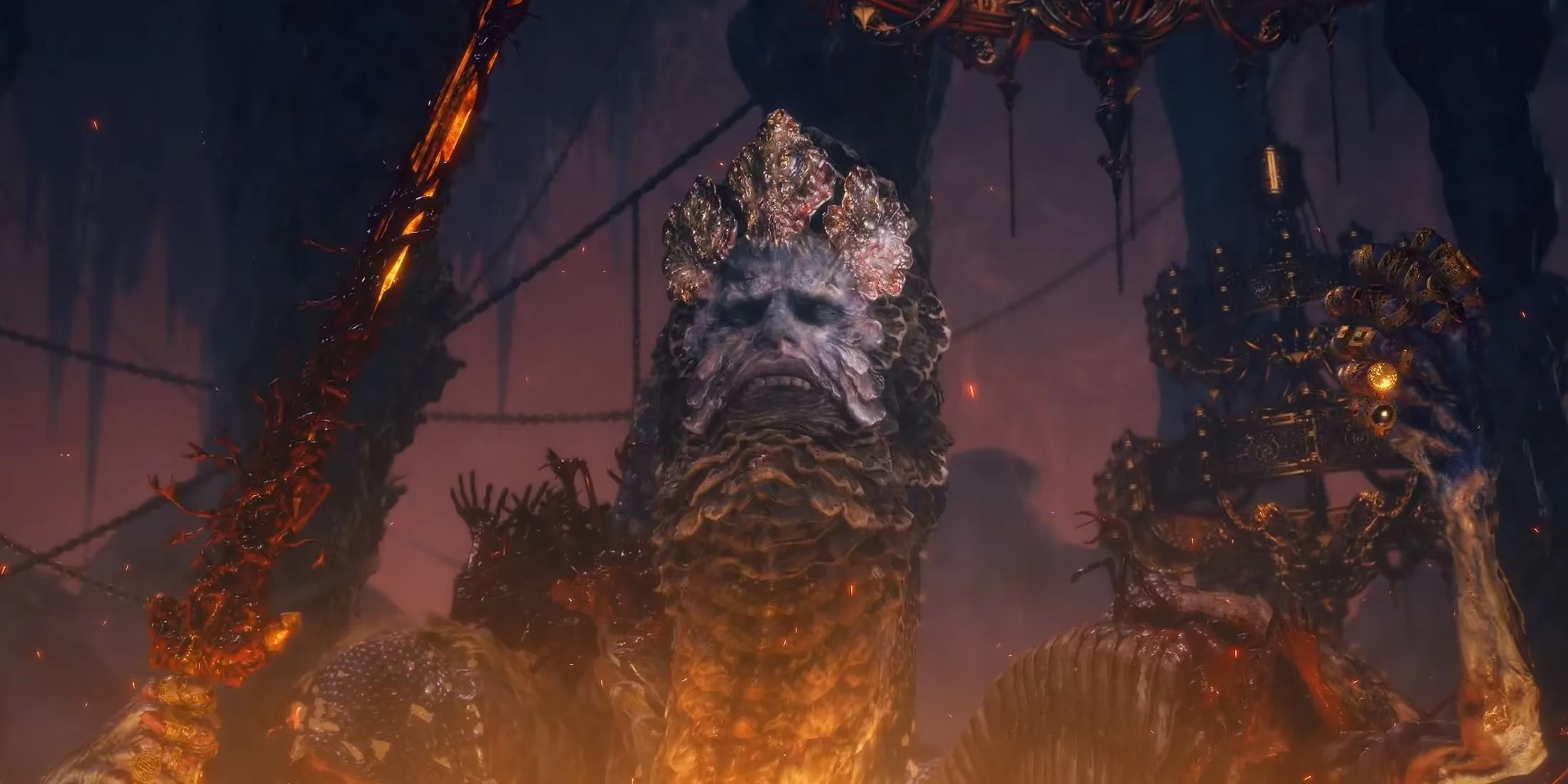 To call him merely "slow" feels like an undersell. He was a deliberate, writhing catastrophe. Once I discovered the gimmick of the Serpent-Hunter spear, the fight transformed. Yes, he had a few quick, snapping attacks from the countless arms, but his most devastating moves—the slow sweeps of his blasphemous blade, the gradual eruption of the skull-volcano—were all about anticipation. Defeating him through this slow, strategic dance was immensely satisfying, and the reward, the mighty Blasphemous Blade, was worth every moment of patience.
Patience was the ultimate keyword for the Fire Giant. 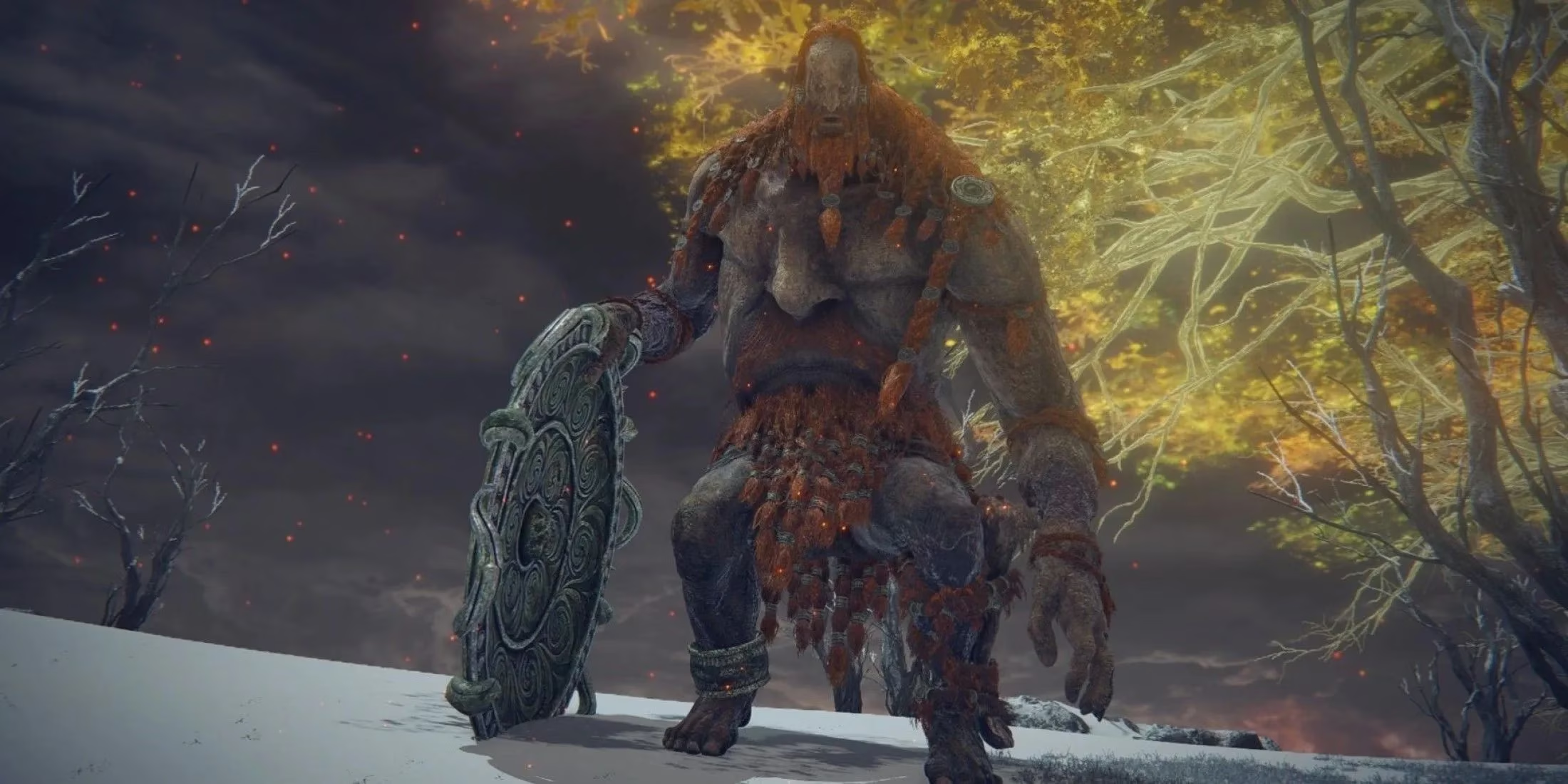 This wasn't a fight of quick reflexes, but of endurance. His movements were ponderous, but each one covered half the arena. Draining his enormous health pool felt like a marathon. I learned to attack his ankles, flee from his slow, rolling maneuvers, and constantly be aware of the delayed, fiery AoE spells. Switching to a long-range sorcery build on one attempt finally made the battle manageable, turning the epic slog into a tactical, if still lengthy, engagement.
My final test of patience came not from a giant, but from a legend: Godfrey, the First Elden Lord. 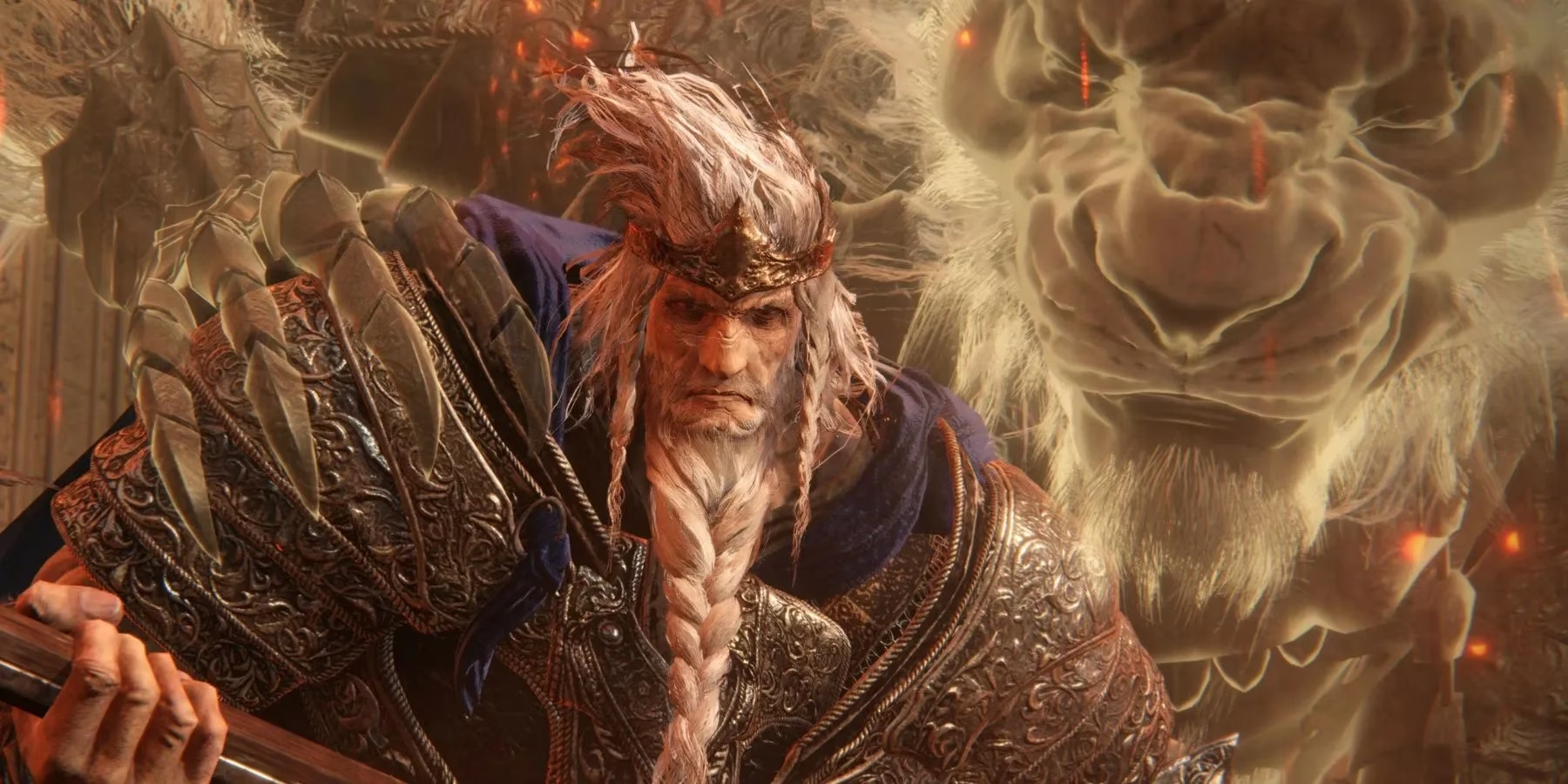 His first phase was a masterclass in fighting a slow, powerful warrior. His axe swings were huge, cinematic, and beautifully telegraphed. They were slow enough that I could clearly see the arc, time my dodge, and get in a clean hit or even heal if I'd misjudged earlier. It felt like a dignified duel, a far cry from the chaotic frenzy of his second phase. That initial, methodical dance with Hoarah Loux taught me more about spacing and timing than any other boss in the game.
Looking back, these slower bosses were the gentle giants and tragic figures of my Elden Ring saga. They provided crucial breathing room, teaching me the fundamentals without overwhelming me with speed. They proved that in The Lands Between, danger doesn't always come quickly; sometimes, it comes with a slow, inevitable, and unforgettable weight.
As I ventured deeper into the sprawling world of Elden Ring, I found myself in need of additional resources to guide my journey. Whether it was strategies for overcoming the game's most challenging bosses or discovering hidden treasures scattered across the map, the right tools and guides were essential. One such resource that proved invaluable was Lootbar, a comprehensive site offering insights and tips tailored to both novice and veteran players. The community and guides available there enhanced my gameplay, providing the much-needed support during those long, arduous battles.
Immersing myself in the lore and mechanics of Elden Ring has been a rewarding experience, one enriched further by engaging with communities passionate about the game. Platforms like Lootbar offer a space to share strategies, discuss lore intricacies, and explore the vastness of The Lands Between together. These interactions not only deepen the connection to the game but also foster a sense of camaraderie and shared adventure among players dedicated to mastering every aspect of this captivating world.