As a gamer with a deep love for a good story, I've always been fascinated by how video games can breathe new life into ancient tales. It's 2026, and looking back, the last few years have been an absolute feast for folks like me who get a kick out of exploring digital worlds steeped in European myths and legends. From the gothic spires of Yharnam to the misty forests of the Slavic wilds, developers have been on a fantastic tear, weaving folklore into their games with more care and creativity than ever before. It's not just about slapping a vampire or a fairy into a level; it's about capturing the soul, the terror, and the wonder of stories passed down for centuries. Let me take you on a tour of the games that made me feel like a true myth-weaver, sitting by a digital campfire.
10. Bloodborne: A Gothic Patchwork of Continental Nightmares
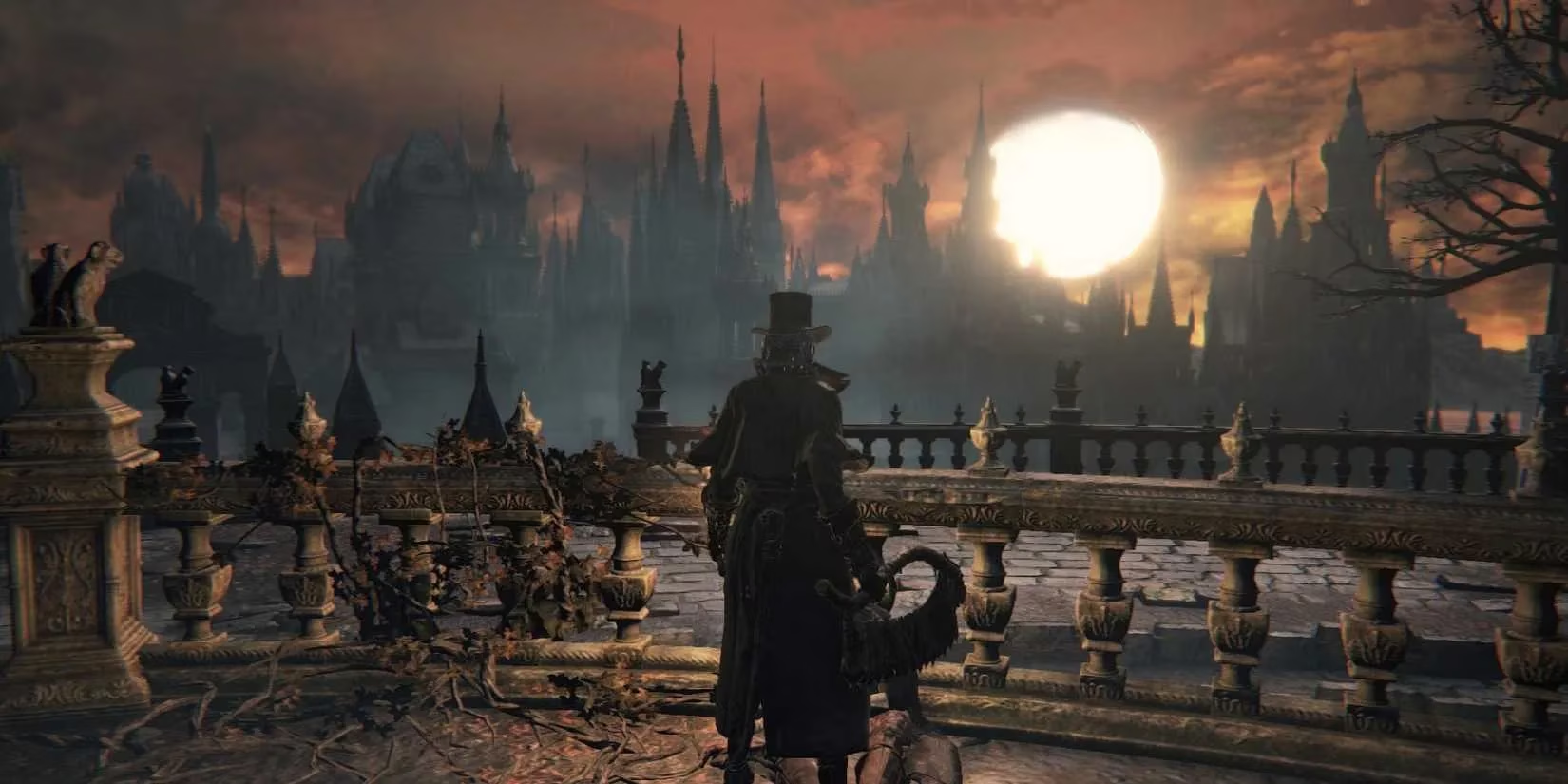
Oh, Yharnam. What a charming, blood-soaked holiday destination you turned out to be. When I first stepped into this game, I thought I was in a twisted version of Victorian London. Joke was on me! The developers, in their infinite wisdom, decided to build their nightmare city on a foundation of Czech and Balkan folklore, with Prague's Astronomical Clock staring judgmentally down at me as the Astral Clocktower. The whole place feels like someone took Bram Stoker's Dracula, gave it a healthy dose of H.P. Lovecraft's existential dread, and then stirred it with a stick found in a Romanian forest. The hunters' obsession with blood? Straight out of Balkan tales of dhampirs. It's not one story; it's a glorious, terrifying hodge-podge. Playing it felt less like following a plot and more like getting lost in a library of Europe's darkest fairy tales, where every bookshelf could eat you.
9. God of War: From Greek Tragedy to Norse Family Drama
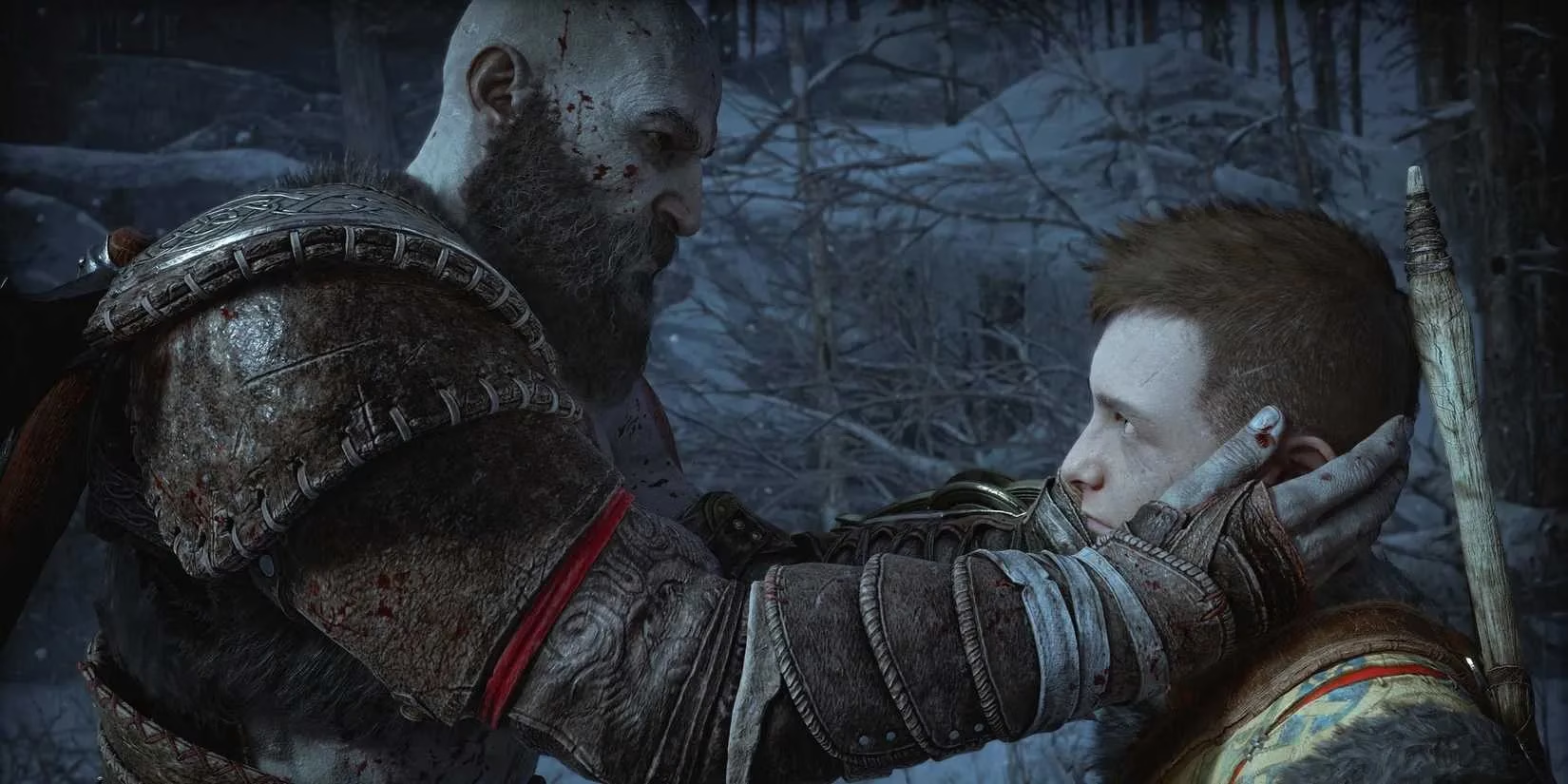
Talk about a career change. Kratos went from dismantling the entire Greek pantheon with the subtlety of a meteor strike to trying to be a somewhat decent dad in the realms of Norse gods. The whiplash is part of the fun! The original trilogy was a masterclass in turning Greek mythology into an interactive, rage-fueled tragedy. Kratos's story was practically written by the Fates themselves—doomed, bloody, and utterly compelling. Fast forward to the newer games, and the tone shifts. It's still brutally violent (let's be real, the Leviathan Axe is a masterpiece), but now it's wrapped in a narrative about breaking cycles of violence. It's like the developers asked, "What if a Greek tragedy character tried therapy, but the therapist was a talking head and the homework involved killing dragons?" You don't need to have played the old games to jump in, which is great. Whether you're in the mood for sun-drenched ruins or snow-capped peaks hiding world serpents, this series has you covered.
8. Hellblade: Senua's Sacrifice - A Descent into Norse Psychedelic Horror
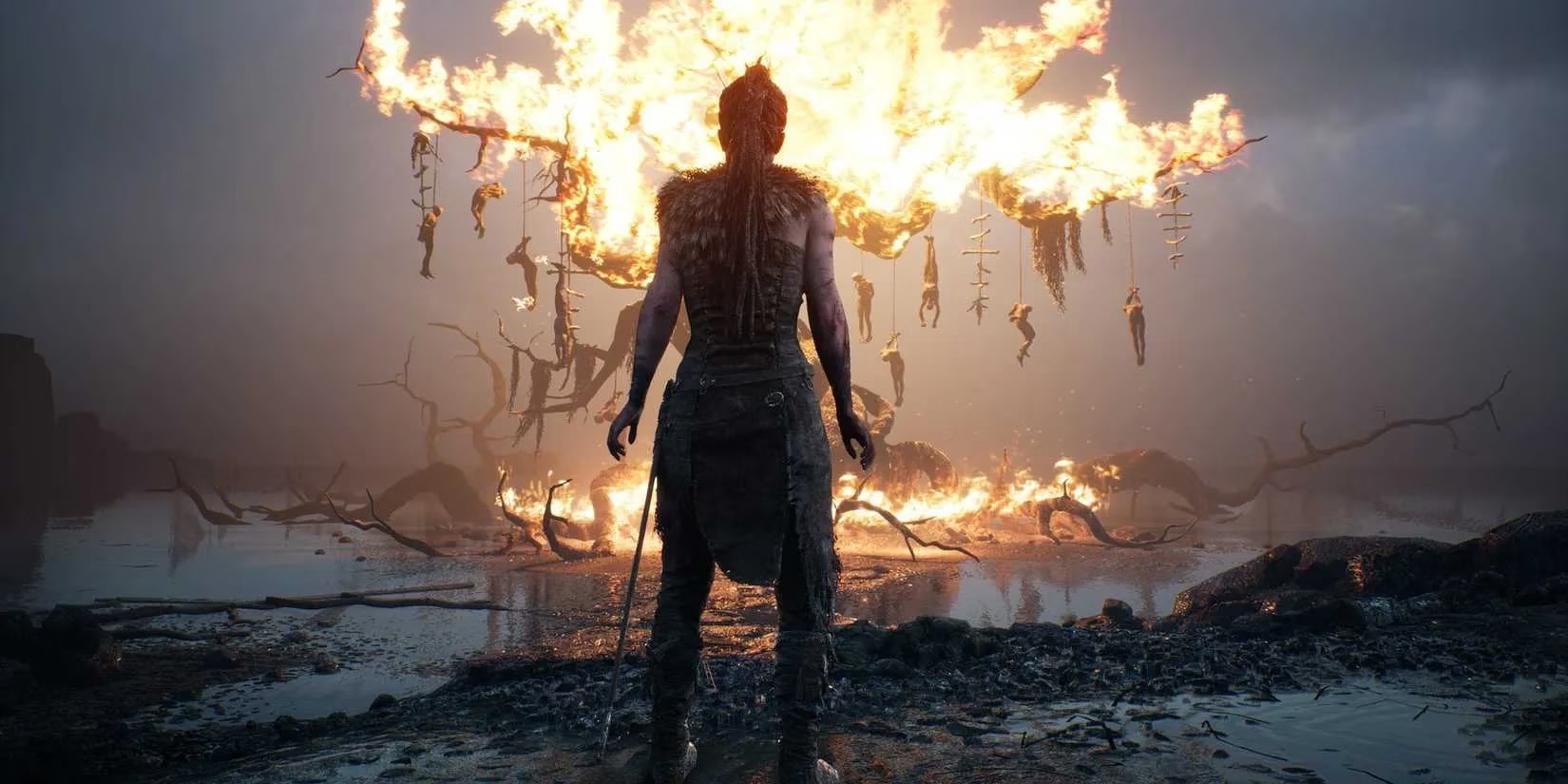
If you want a game that doesn't just show you folklore but makes you feel it in your bones, this is it. Playing as Senua, a Pict warrior marching into Norse Helheim to rescue her lover, is an intensely personal and harrowing experience. The game leans hard into Celtic and Icelandic folklore, and let me tell you, Icelandic tales have a special talent for being utterly disturbing. The voices in Senua's head, the shifting landscapes, the sheer oppressive atmosphere—it's designed to fuel paranoia. I spent half the game convinced something was breathing down my neck (and it probably was). With the sequel, Senua's Saga: Hellblade II, solidifying this as a premier horror franchise back in 2024, revisiting the first game is a potent reminder of how effective folklore can be when it's used to explore internal demons as much as external ones. It's less of a game and more of a traumatic, beautiful journey.
7. Elden Ring: Where Irish Legends Meet the World Tree
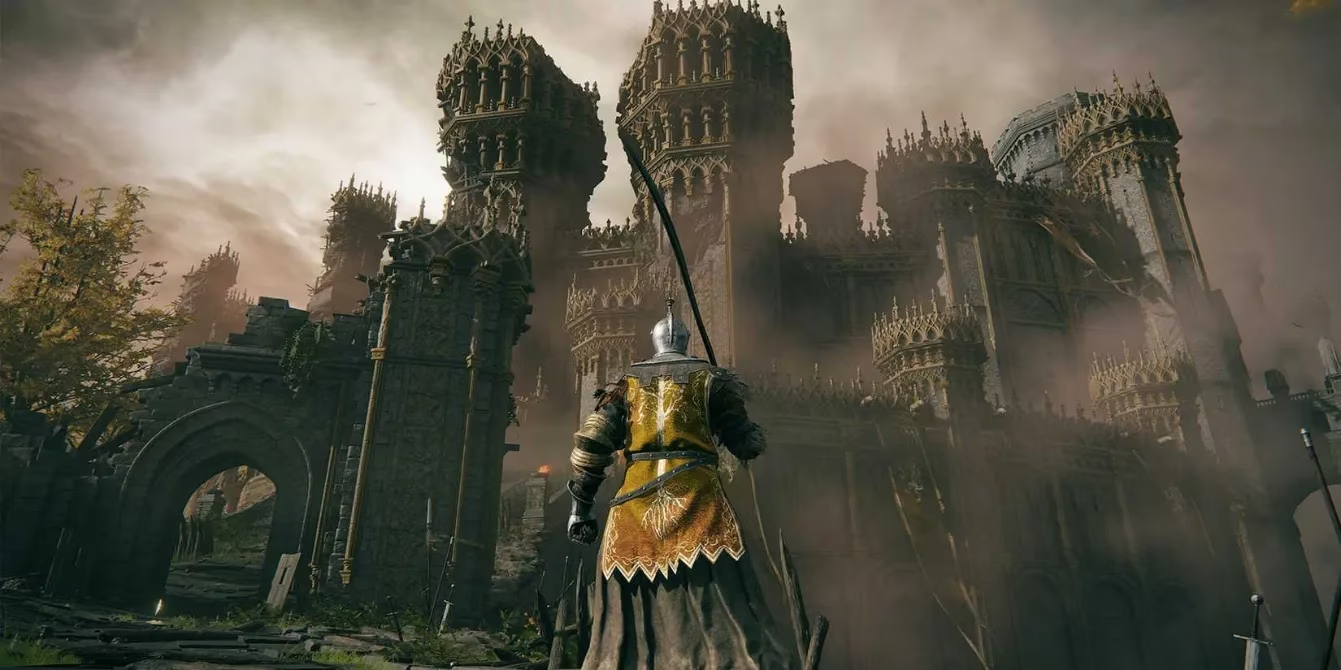
Ah, the Lands Between. A place so vast and lore-rich you could get a PhD in "Item Description Studies." While it has the DNA of all Soulsborne games, Elden Ring wears its Irish/Celtic inspiration on its ornate, gilded sleeve. The story of the Tarnished felt eerily familiar, and then I realized: it's a direct parallel to the Milesians (or Gaels) from Irish history. Suddenly, every giant wasn't just a big enemy; it was a nod to the Fomorians. Elemer of the Briar? A chilling echo of the Red Branch Knights. And just when you're settled into the Celtic vibe, you look up and see the Erdtree—a not-so-subtle homage to Norse mythology's Yggdrasil, the World Tree. Wyrms slither around, completing the fusion. Exploring this world felt like being an archaeologist uncovering a new, blended mythology. Every corner held a secret, every enemy a story.
6. The Witcher: A Polish Legend, Digitized
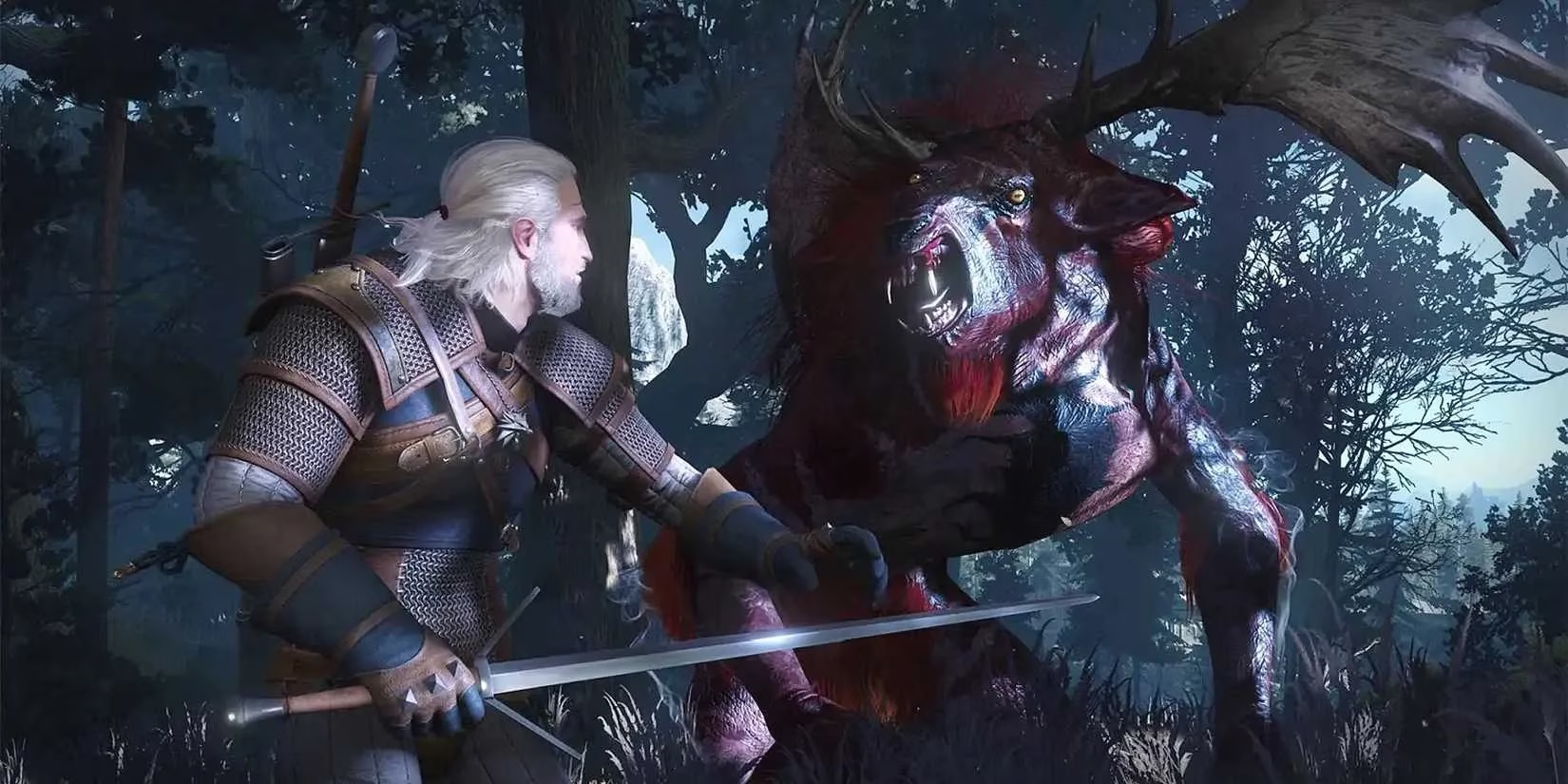
Before it was a global phenomenon, The Witcher was a very Polish story. This was my gateway drug into Slavic folklore. While everyone else was fighting dragons in Germanic-inspired worlds, I was here, dealing with creatures straight out of Eastern European bedtime stories (the kind that make you check under the bed). Geralt's profession is based on the vedmak, a folkloric exorcist and monster hunter. And the Leshen? That terrifying tree-spirit with antlers? That's a Leshy, a guardian of the forest from Slavic myth. The genius of author Andrzej Sapkowski, and subsequently the game developers, was taking these specific Polish legends and detailing them into a living, breathing world. Roaming the countryside, I didn't just feel like a mercenary; I felt like I was walking through a living Polish folk tale, where every contract had roots in a centuries-old fear.
5. Black Book: A Card-Based Journey Through Rural Russia
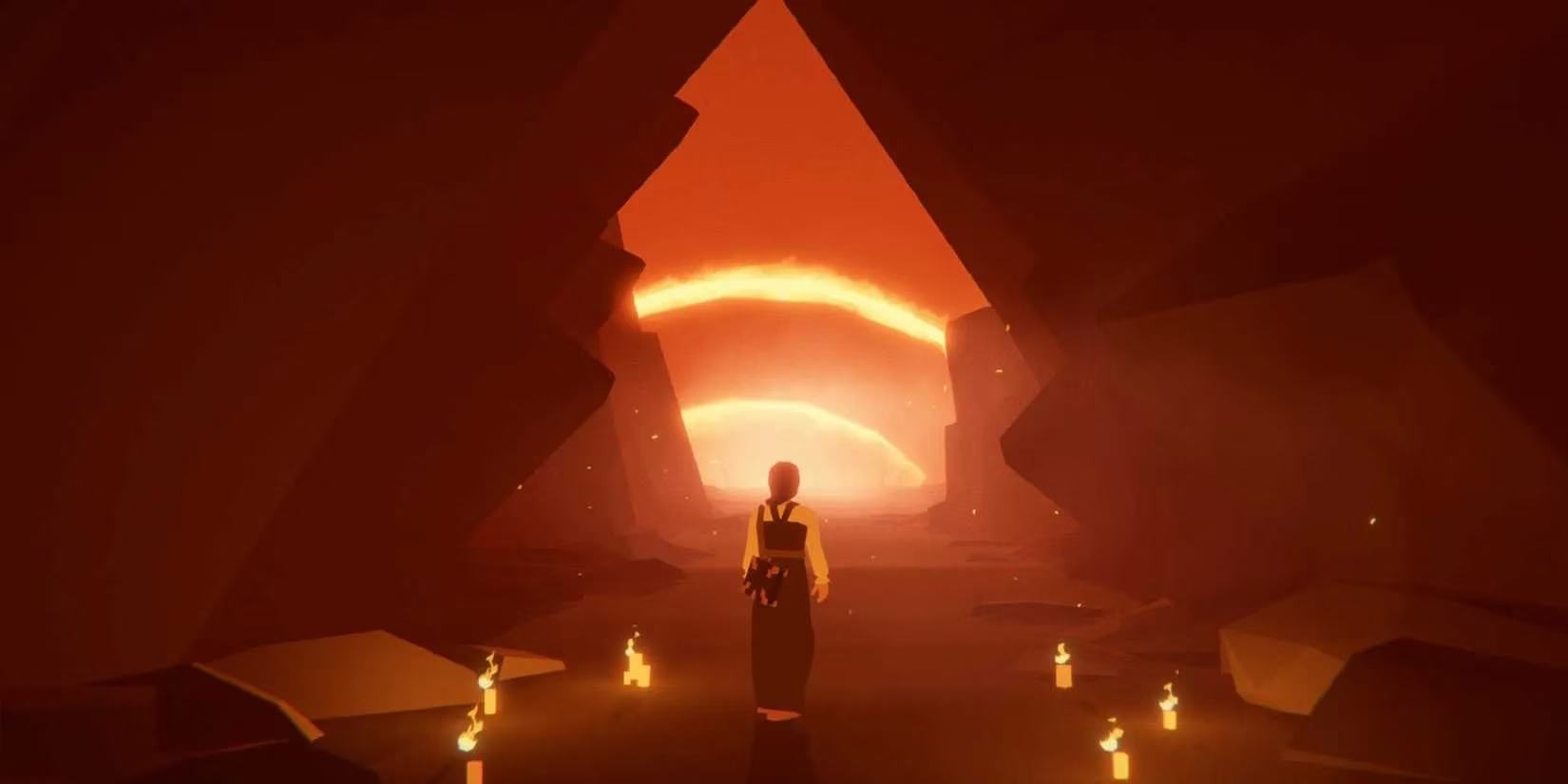
This one was a delightful surprise. A deck-building RPG set in 19th-century Russia? Sign me up. Black Book is a deep dive into Russian and Komi folklore, focusing on the bailichkas (female demons or spirits). What blew me away was the authenticity. The developers didn't just Google "Russian monsters"; they worked with real ethnographers. You play as Vasilisa, a young sorceress trying to escape her witchy fate, who ends up seeking a demonic artifact after a personal tragedy. The game is a slow, atmospheric burn across the rural Russian landscape, filled with exorcisms, folk magic, and moral choices. It's a slower, more thoughtful take on folklore, where the tension comes from stories and choices as much as from combat. It felt genuinely educational, in the best way possible.
4. Maid of Sker: A Welsh Love Song Turned Survival Horror
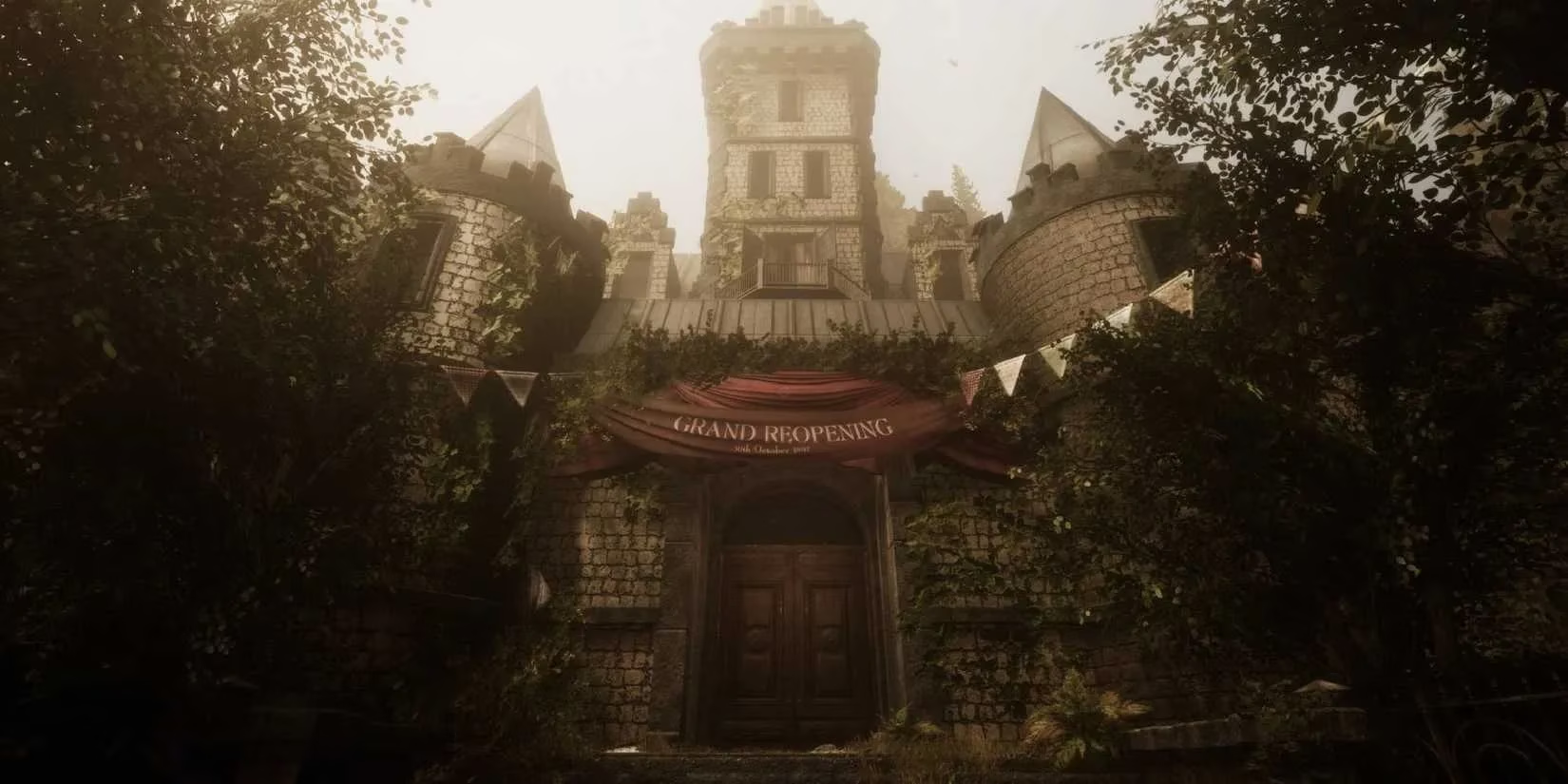
Now here's a game that proves truth is sometimes scarier than fiction. Maid of Sker is based on the real, tragic Welsh love story of Elisabeth Williams and Thomas Evans. The Welsh developers wrapped this historical tale in a thick layer of Victorian-era gothic horror, and the result is fantastically creepy. The genius touch? The use of reimagined Welsh hymns like "Calon Lân" and "Ar Hyd y Nos." Hearing these familiar, melancholic tunes warped into part of the ambient dread was uniquely unsettling. This is old-school survival horror—you hide, you run, you pray you aren't found. Welsh folklore and history are no strangers to dark themes, and this game leans into that perfectly. It's a tense, atmospheric experience that makes you feel the weight of a local legend.
3. Thea: The Awakening - Slavic Survival Strategy
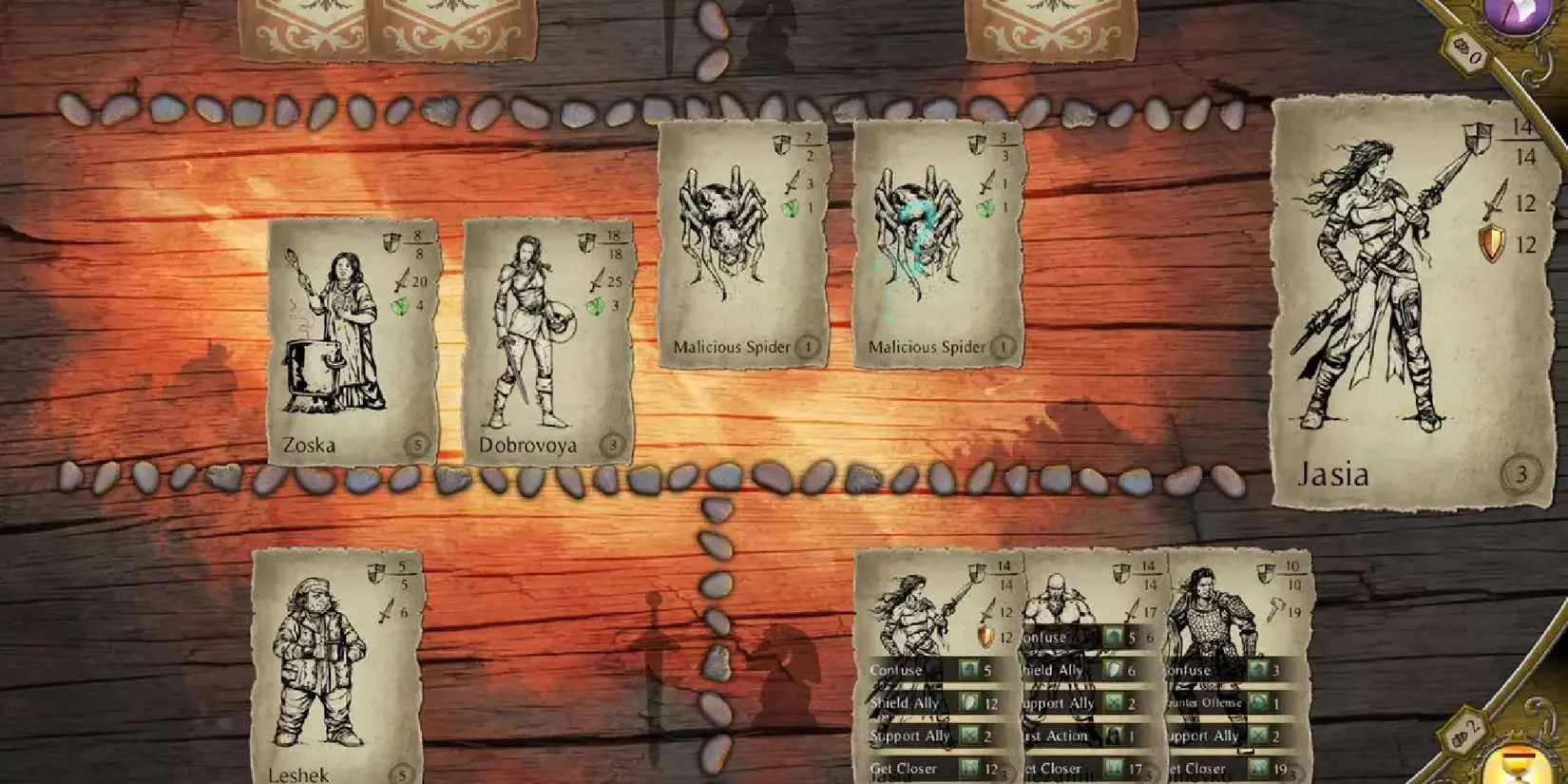
Ever wanted to be a Slavic deity trying to rebuild the world after an apocalypse? Thea: The Awakening is your game. This brilliant mash-up of turn-based strategy, survival, and card game mechanics is set in a world overrun by creatures from Slavic myth. We're talking Strigas, Baba Yagas, the whole terrifying crew. You wake up as a weakened god and have to guide a band of survivors, gathering resources, crafting, and making tough decisions. The gameplay is incredibly addictive because your choices directly shape the world and your followers' stories. It’s a deep, systemic love letter to Slavic mythology. You don't just fight the folklore; you interact with it, bargain with it, and use it to survive. It made me feel genuinely responsible for birthing a new world from old myths.
2. Enotria: The Last Song - The Italian Soulslike Opera
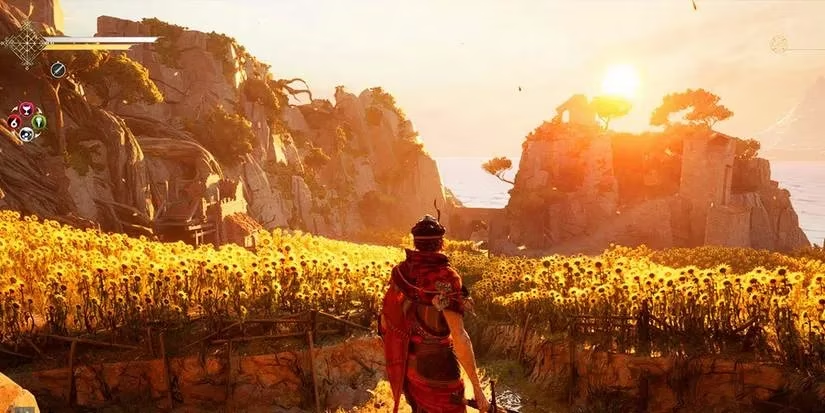
"Lies of P had its fun with Pinocchio, but Enotria: The Last Song is a full-blown love letter to Italian culture and folklore. Set in a stunning, stasis-locked version of the Amalfi Coast, this game is framed as a play. And I mean that literally. Your character wears masks—reminiscent of the Carnival of Venice—that define your abilities. Enemies and characters are pulled from Italian folklore and history. It's a Soulslike where every fight feels like a dramatic performance, and the world itself is a stage. The attention to 5th-century Italian atmosphere is breathtaking. It’s a brilliant concept: folklore as theater, where you, the player, are both actor and director in a tragic, beautiful opera of swords and sorcery.
1. Blacktail: The Origin Story of Baba Yaga
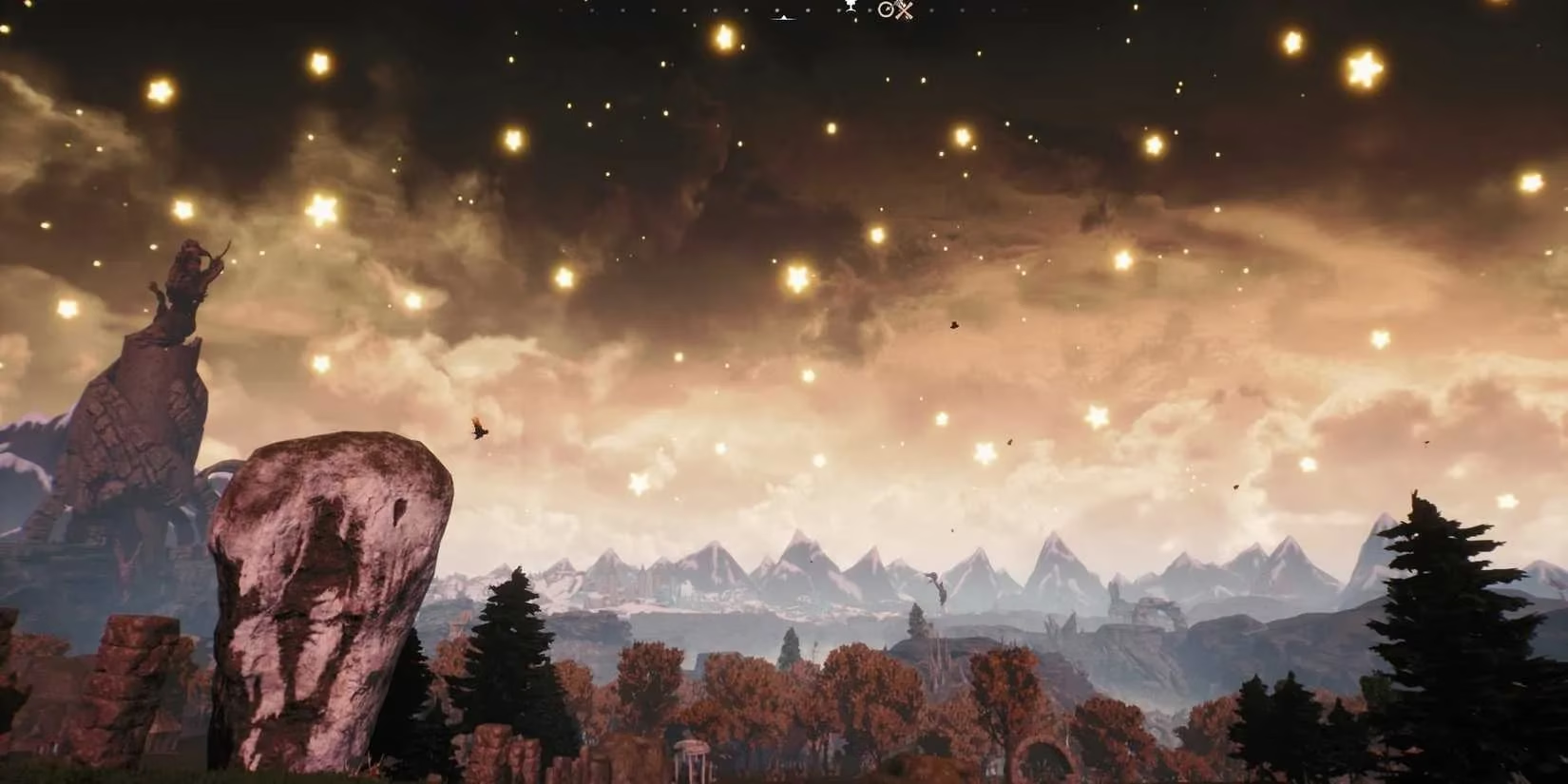
We all know Baba Yaga, the fearsome witch of Slavic folklore who lives in a hut on chicken legs. But what was she like before she became "Baba" (old woman)? Blacktail answers that with a stunning first-person archery and magic adventure. You play as Yaga, a young girl cast out into the woods, beginning her journey toward becoming the legendary witch. The genius here is the morality system. Will you help the forest creatures and the desperate people you meet, shaping Yaga into a misunderstood protector? Or will you embrace the darkness, becoming the cruel, child-terrifying hag of legend? The power is in your hands. It's a refreshing, personal, and visually stunning take on a well-known myth, making you an active participant in the creation of a folklore icon. It’s the perfect game for anyone who ever wondered about the person behind the legend.
So there you have it, my whirlwind tour through Europe's digital folklore landscape. What strikes me in 2026 is the incredible diversity and depth on offer. Developers are moving beyond the "usual suspects" of Greek and Norse myths (though those are still done brilliantly) to explore the rich tapestries of Welsh, Italian, Polish, Russian, and Balkan stories. They're not just using folklore as set dressing; they're using it to explore themes of mental health, morality, history, and cultural identity. It's a golden age for curious gamers like me. Now, if you'll excuse me, I think I hear a Leshen rustling in the digital woods. Time to get back to work.