In the world of game development, there's a golden rule: if you find a gameplay loop that works, you stick with it. Players want more of what they love, and changing it up risks losing them entirely. But what about the brave developers who said 'screw the rules' and decided to completely change their game's identity halfway through? 🤔 These aren't just simple updates or new zones; we're talking about radical shifts in genre, perspective, or core mechanics that leave players' jaws on the floor. Sometimes it's a masterstroke, sometimes it's controversial, but it's always unforgettable.
Let's dive into ten games that weren't afraid to flip the script and create some of the most memorable—and sometimes divisive—moments in gaming.
10. A Dark Room: From Text Adventure to Civilization
Ever started a game thinking it's one thing, only for it to become something completely different? That's the magic of A Dark Room. This deceptively simple title begins as a pure text-based adventure. You're given basic commands, exploring a world described only through words, gathering context bit by bit from the darkness. It feels like a classic interactive fiction piece.
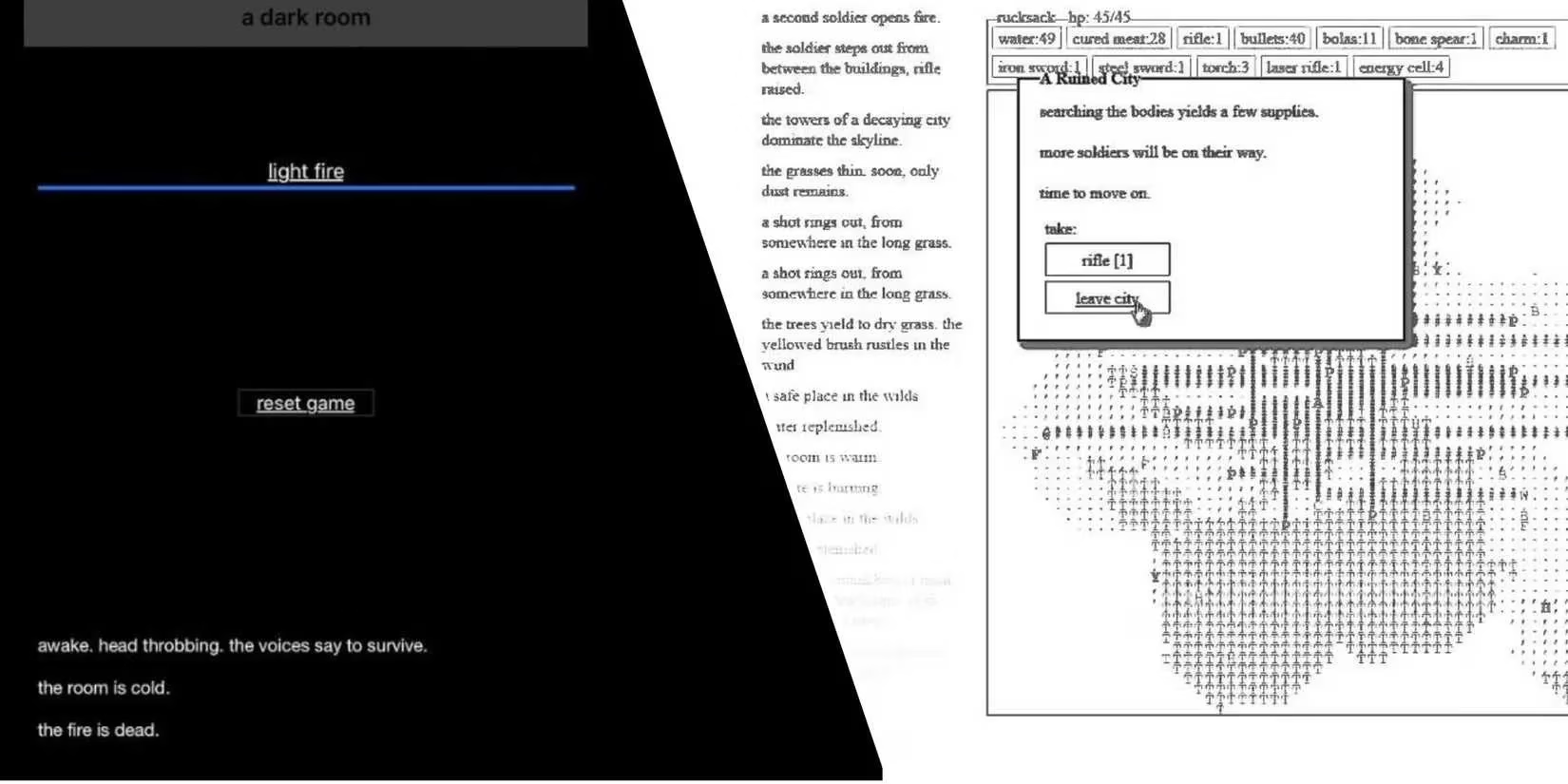
But then, the pivot happens. The text adventure smoothly transitions into a deep resource management and base-building game. You're not just exploring anymore; you're managing a camp, allocating workers, and strategizing for survival. And just when you think you've got the hang of that? Boom—the game evolves again, introducing elements that feel adjacent to a grand strategy or even a space race game by the end. It's one of the most cleverly paced experiences out there, proving that simplicity can hide immense depth. Who would've thought a free flash game could contain multitudes?
9. Little Inferno: When the Fun Stops Burning
On the surface, Little Inferno is a satirical, addictive little game about... burning toys in a fireplace to stay warm in a dystopian, capitalist world. It's a mindless puzzle game where you combine items to burn for more items. Sounds simple, right? The gameplay loop is oddly satisfying in a 'playing with virtual fire' kind of way.
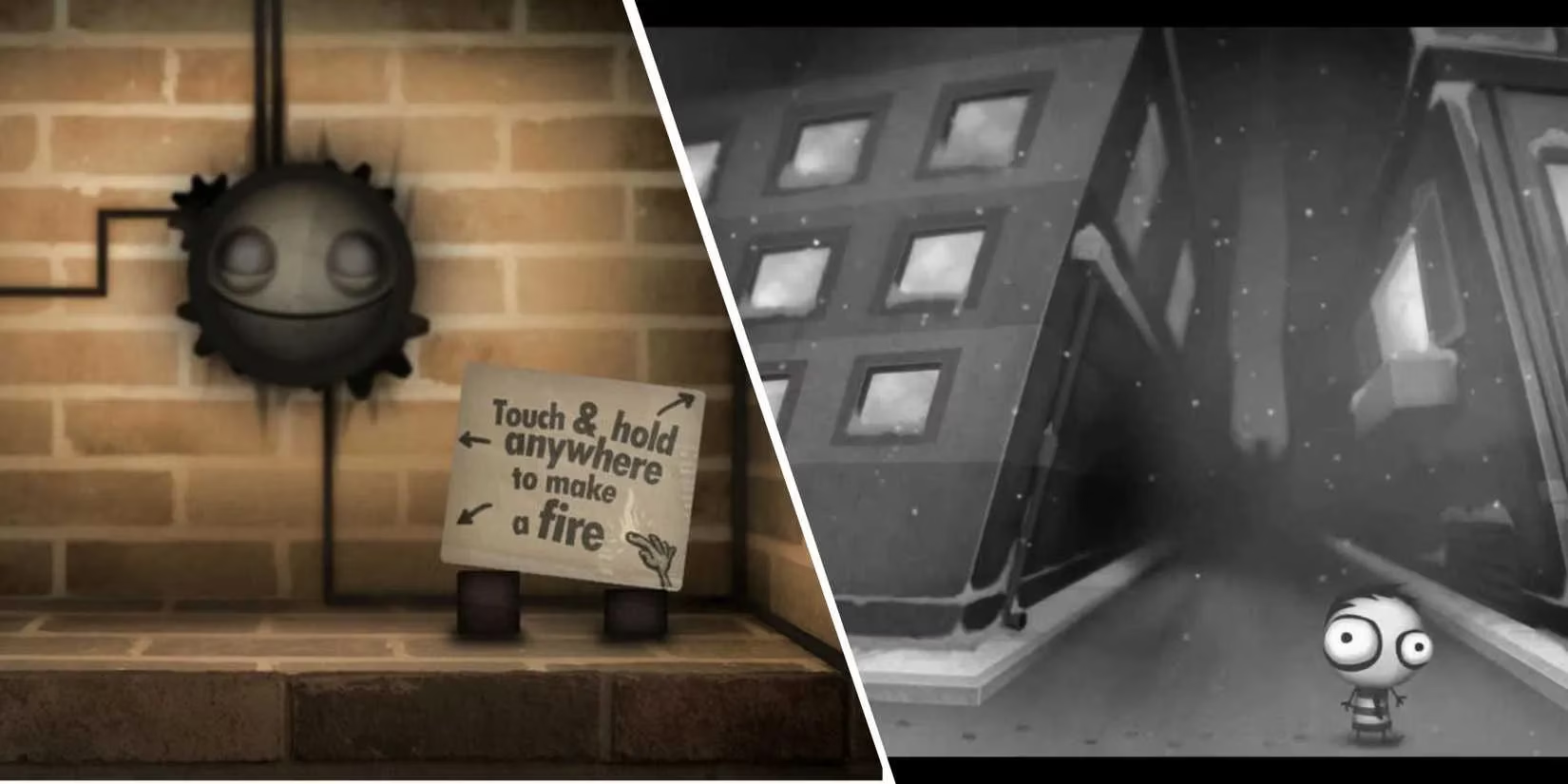
But what happens when you burn everything? The tone does a complete 180. The cheerful, consumerist fun stops, and you're suddenly given a view of your character for the first time. The game shifts into a bleak, point-and-click adventure where you wander a desolate world, witnessing the real consequences of the culture you just participated in. That final shift from mindless puzzle game to somber narrative experience is a gut punch that turns satire into poignant commentary. It's a short, weird, and highly recommended journey.
8. In Stars and Time: Beyond the Standard JRPG
In Stars and Time is an indie darling, largely thanks to its brilliant writing and meta time-loop mechanics. It starts feeling like a fairly linear JRPG: you're in a castle, you use time loops to fix mistakes, and your goal is to defeat The King. Pretty standard stuff for the genre.
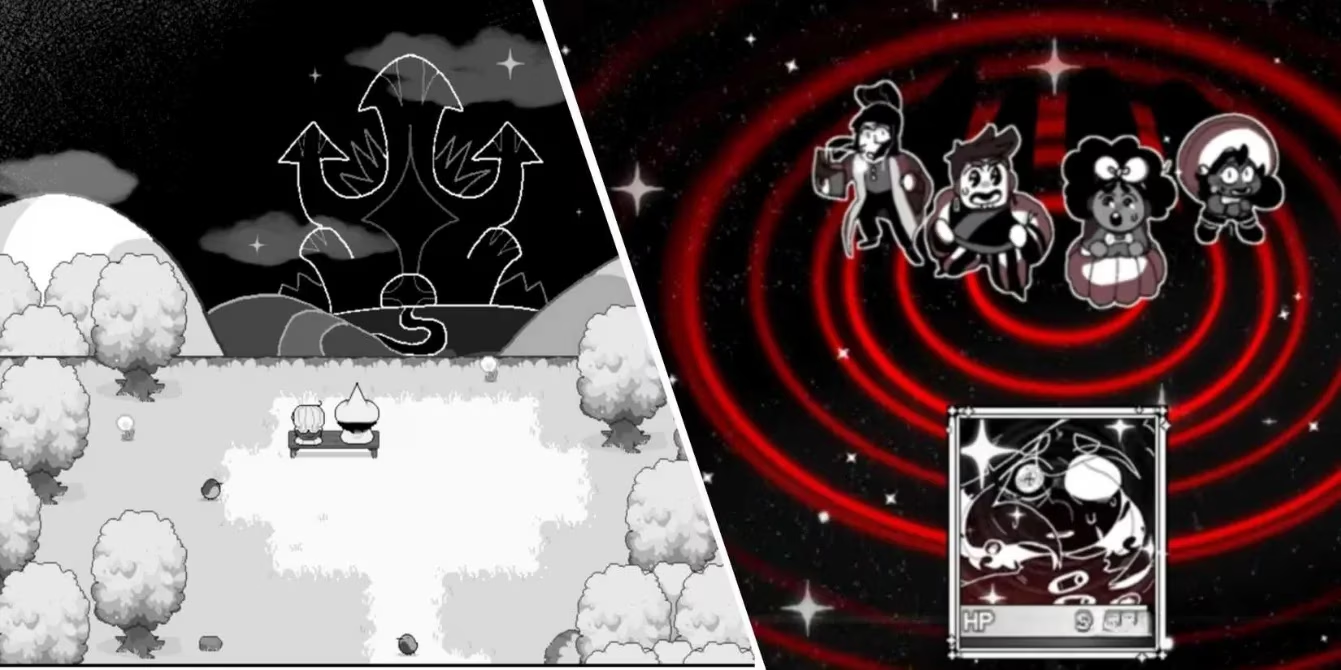
Here's the twist: you beat the bad guy... and the loop resets anyway. Victory doesn't matter. Suddenly, you're not playing a traditional JRPG anymore. The game locks you into an intricate, meta time-loop puzzle. The goal shifts from combat to unraveling the mystery of the loop itself through exploration, manipulation of time, and yes, a healthy descent into madness. It's a genre shift that recontextualizes everything that came before and offers an experience truly unlike anything else on the market.
7. The Last of Us Part II: Walking in the Enemy's Shoes
Talk about a divisive shift! The Last of Us Part II delivers one of the boldest—and most debated—mid-game changes in recent memory. You spend the first half of the game as Ellie, driven by vengeance, hunting down the antagonist, Abby. Then, at a critical narrative juncture, the game pulls the rug out from under you.
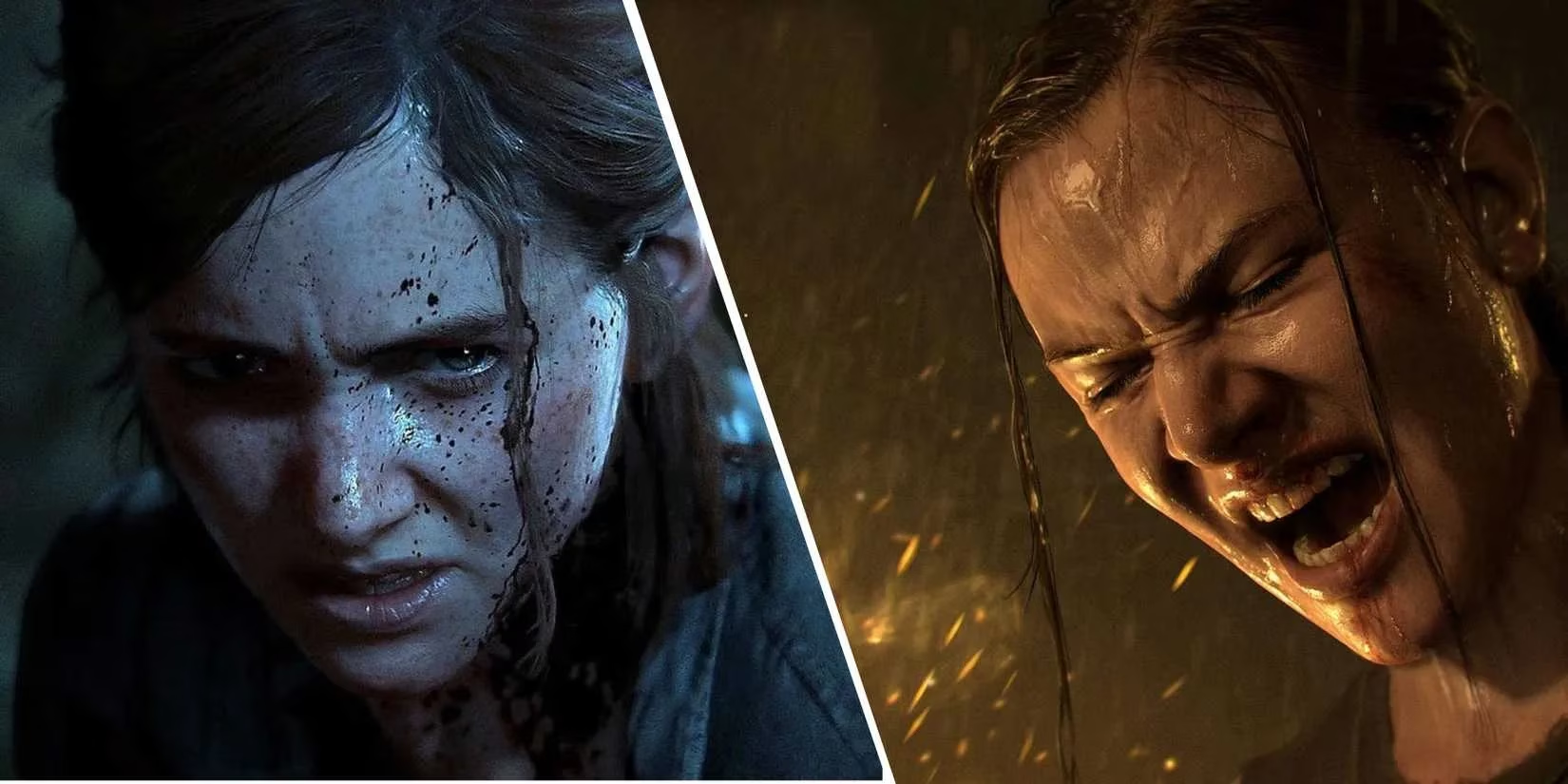
The perspective shifts completely. You're now playing as Abby, the very person you were just hunting. The gameplay remains largely the same—tense stealth, brutal combat, resource scavenging—but the narrative whiplash is immense. This isn't just a new character; it's a forced empathy machine. It humanizes the 'villain', makes you partly responsible for their actions, and challenges everything you thought you knew about the story. Love it or hate it, you can't deny it's a narrative risk few blockbuster games dare to take.
6. The NieR Series: Yoko Taro's Genre Roulette
Picking just one NieR game for a list about genre shifts feels wrong. Why? Because the entire series, masterminded by Yoko Taro, is built on the principle of refusing to stick to any one genre, narrative style, or even gameplay perspective. One moment you're in a lush, open field engaging in stylish hack-and-slash combat against beautiful machine lifeforms.
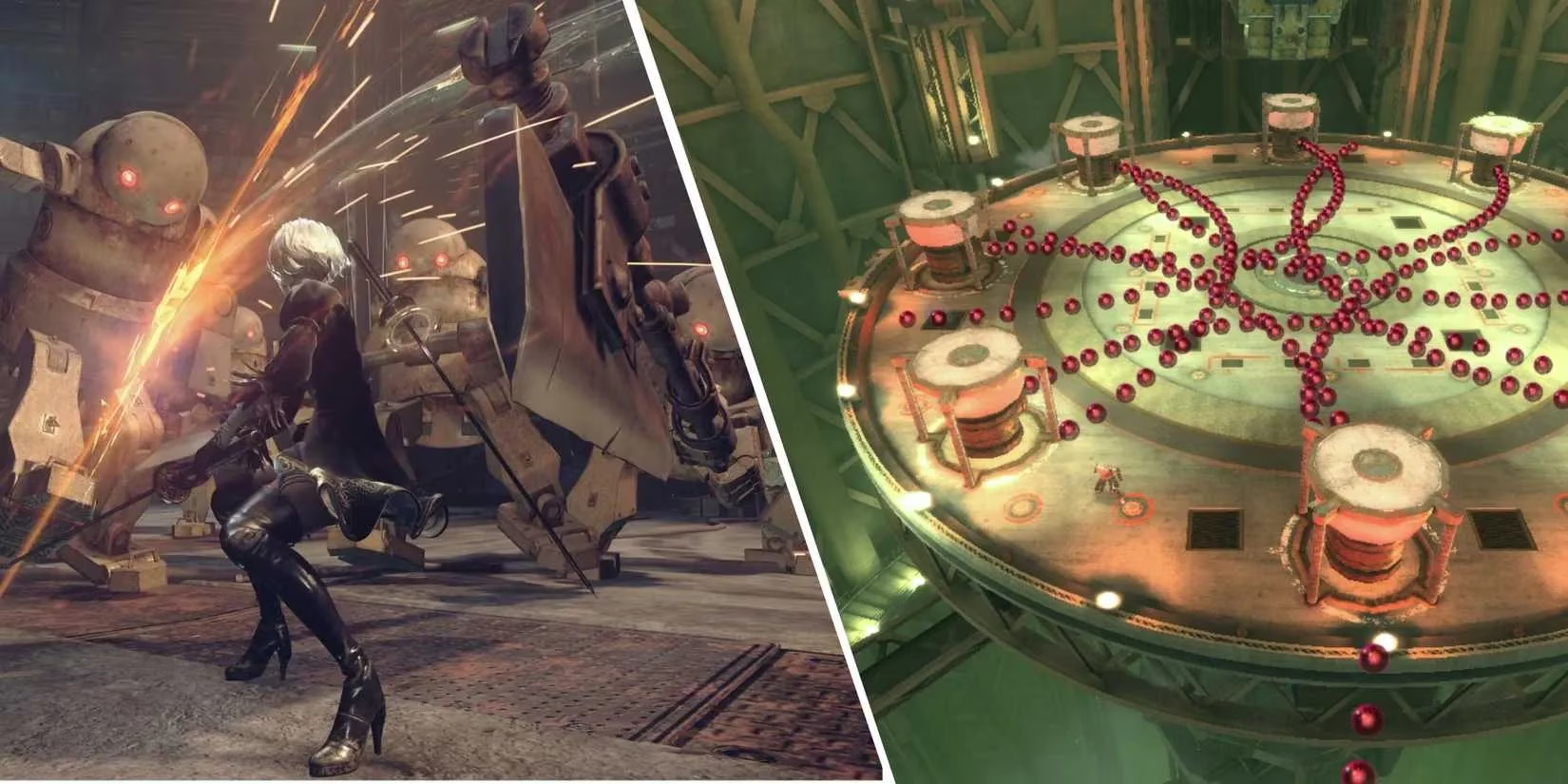
The next? The camera shifts, and you're suddenly in a side-scrolling 2D platformer sequence. Then, without warning, the game becomes a text adventure, a bullet-hell shoot 'em up, or a top-down dungeon crawler. Just when you think you've 'figured out' the game, it changes the rules again. It's a testament to the series' weird, unpredictable charm that these constant shifts feel less like jarring interruptions and more like integral parts of a beautifully bizarre whole.
5. Brütal Legend: From Action to... RTS?!
Brütal Legend might be the king of 'false advertising' in the best way possible. The marketing and opening hours sell you on a heavy metal epic: you play as roadie Eddie Riggs, voiced by Jack Black, who gets transported to a world straight out of a metal album cover. The first few hours deliver exactly that—a third-person action-adventure with hack-and-slash combat, driving around in a hot rod, and summoning rock solos to melt demon faces. It's awesome!
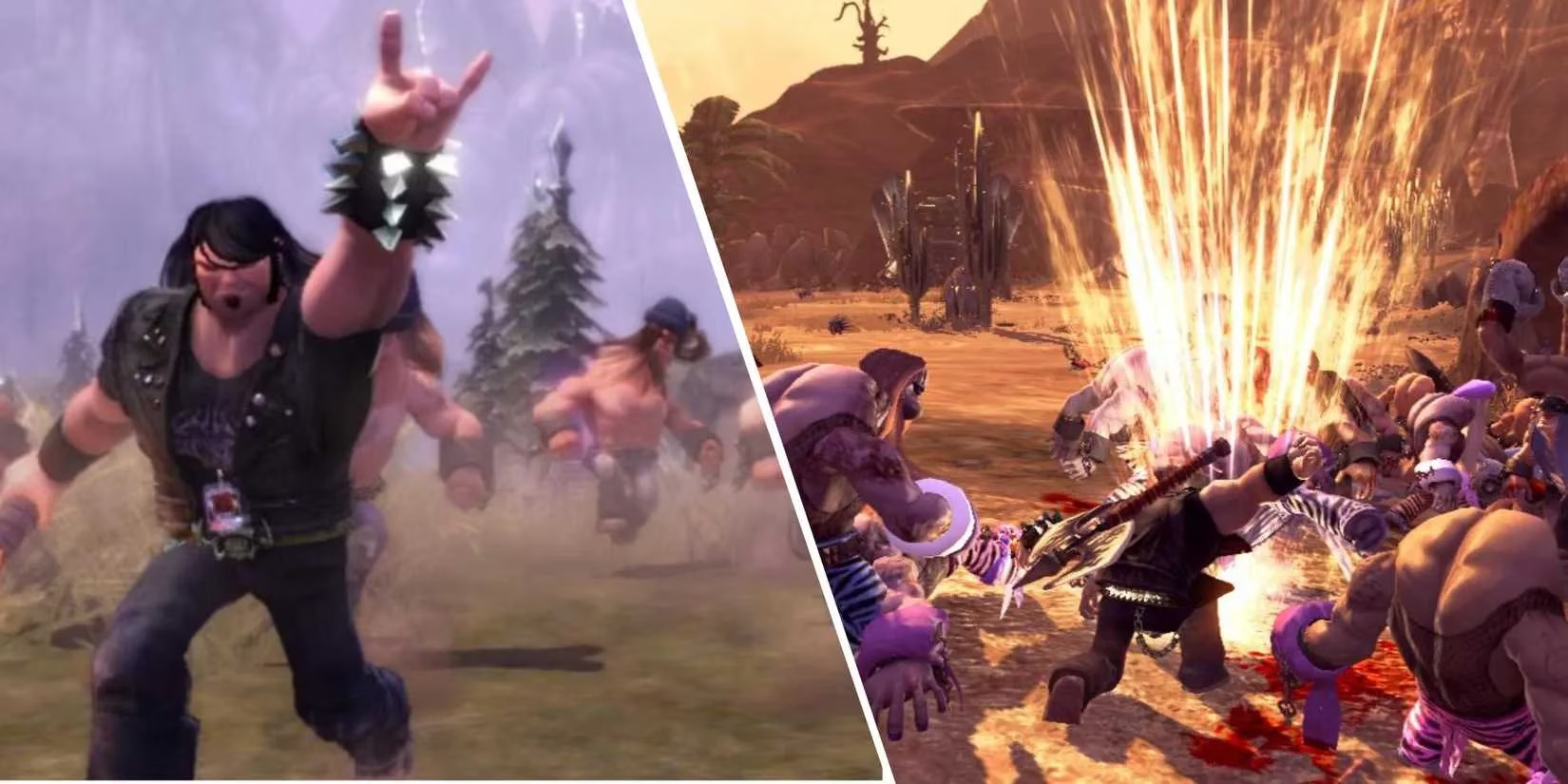
And then the genre bait-and-switch happens. The core of the game—the part they hid until release—is actually a real-time strategy (RTS) game. You command armies of headbangers from a third-person perspective to capture stages and defeat enemy bosses. The action bits were reportedly a late addition to ease players into the RTS core. While this blend didn't work for everyone, leading to polarized reception, you have to admire the audacity. Tim Schafer's vision was a metal-themed RTS, and by thunder, that's what he made. It's a cult classic novelty powered by an incredible soundtrack and voice cast.
4. The Pedestrian: Escaping the 2D Plane
The Pedestrian is a brilliant puzzle-platformer built on a simple, genius concept: you guide a little stick figure through interconnected public signs (like exit signs, bathroom signs, etc.). It's a purely 2D experience, solving puzzles by rearranging and connecting these signs to create a path forward. The logic is easy to grasp, but the puzzles are wonderfully clever brain teasers.
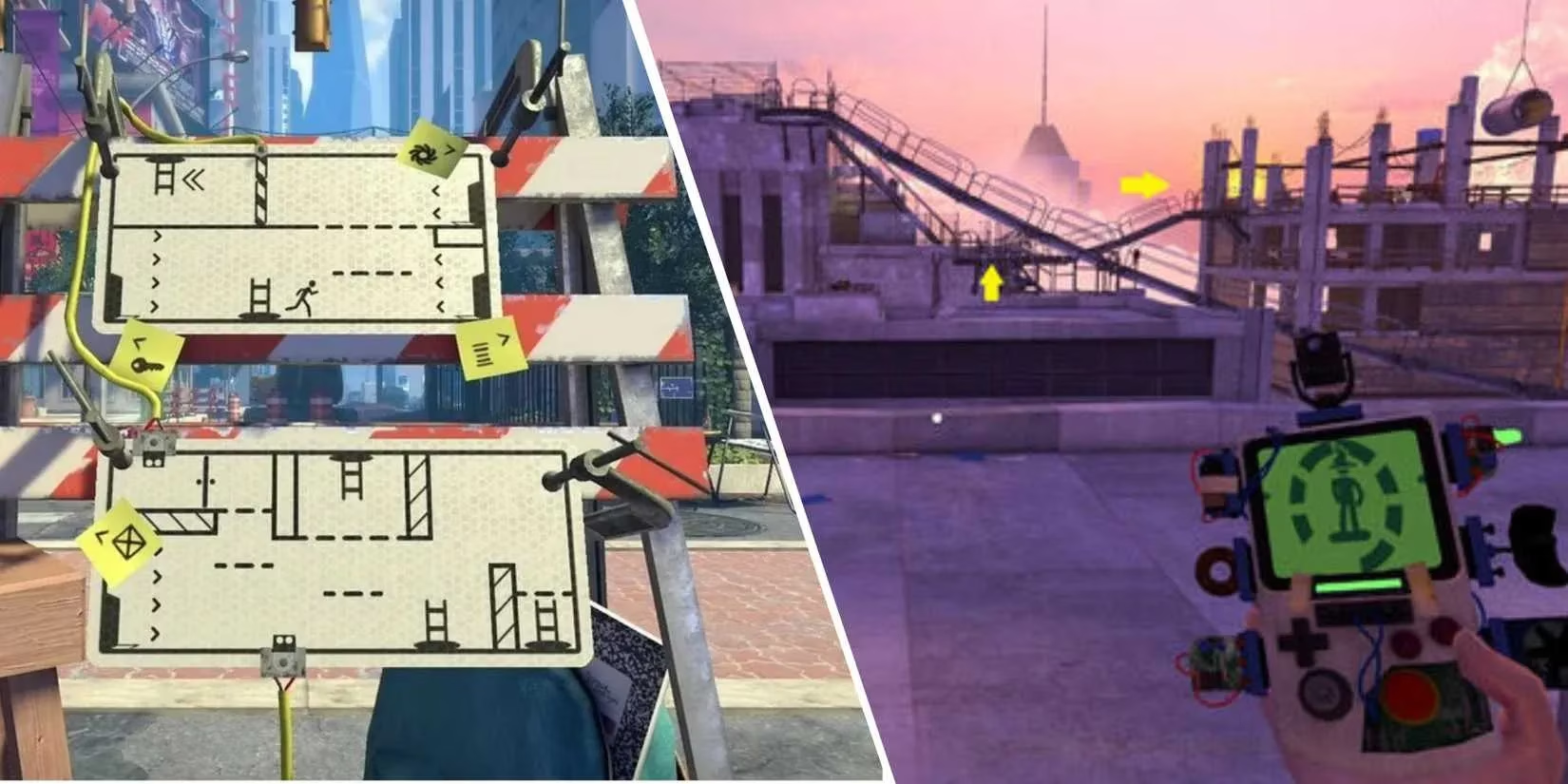
Then comes the final act. The game executes its masterstroke: it transitions from a 2D puzzler to a 3D environmental puzzle. You're no longer just connecting signs on a flat plane; you're now manipulating the 3D world itself, using the same sign-connection logic but applied to a spatial environment. It's a mind-bending and utterly satisfying conclusion that recontextualizes the entire game's mechanics, serving as a perfect finale for one of the most underrated puzzle games of recent years.
3. The Messenger: When Linear Platforming Metroidvanias Up
Sabotage Studio's The Messenger starts as a loving, pixel-perfect homage to classic ninja platformers like Ninja Gaiden. It's linear, challenging, full of tight platforming and satisfying combat. You move from screen to screen, defeating bosses and progressing the story in a straight line. It's excellent at what it does.
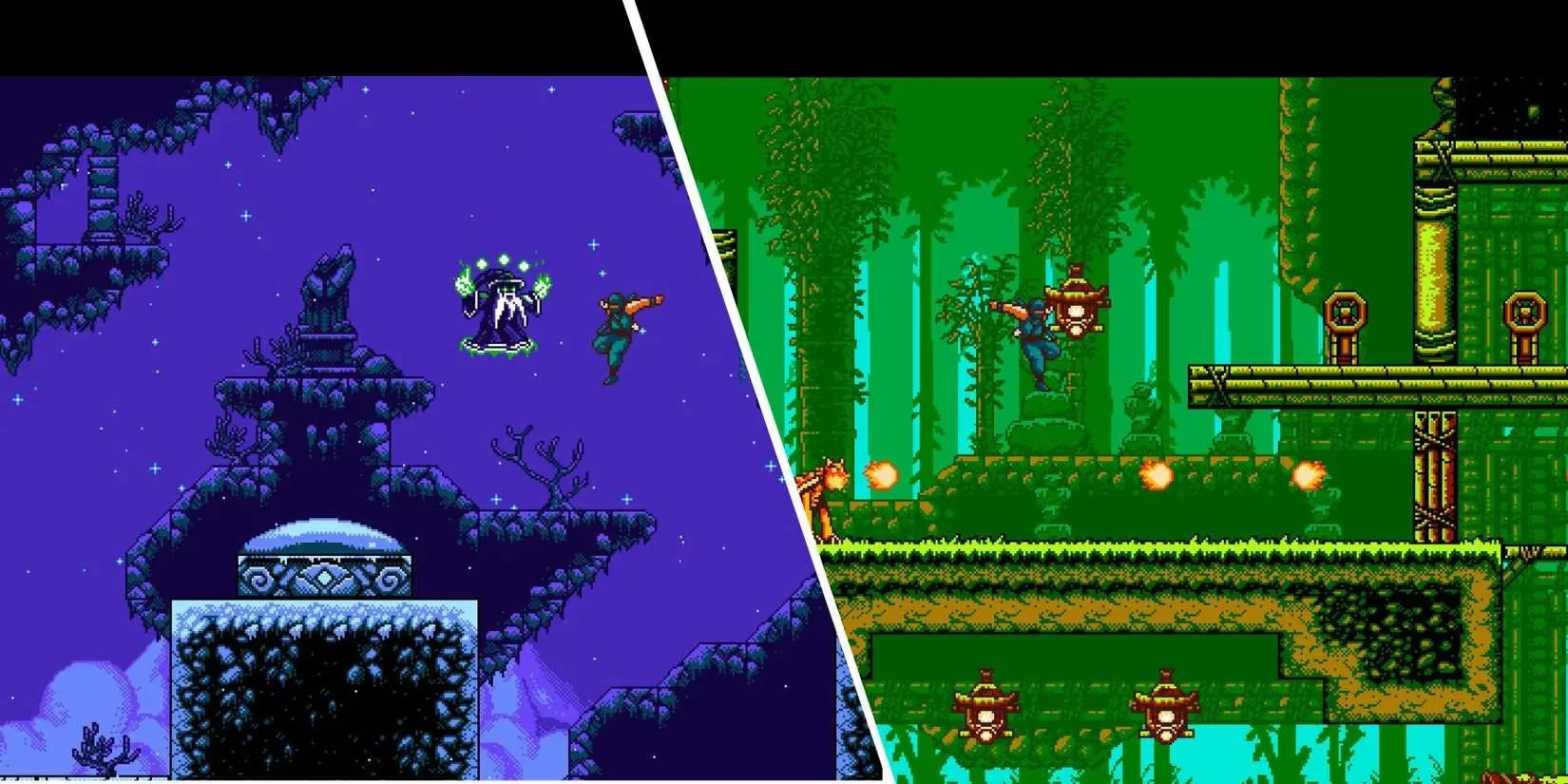
Then, around the halfway point, the game pulls off a stunning genre-and-narrative twist. Without spoiling the brilliant 'how', the world opens up dramatically. The Messenger transforms from a linear platformer into a full-blown Metroidvania. New areas become accessible, you gain abilities that let you backtrack to previously unreachable spots, and the game structure becomes non-linear. This shift isn't just a gimmick; it's expertly timed to hit just as the linear gameplay might start to feel repetitive, injecting a massive dose of exploration and discovery that doubles the game's scope and appeal.
2. Elden Ring: The Open World Funnel
FromSoftware's Elden Ring was a monumental achievement, finally translating the punishing, rewarding Souls formula into a vast, open world. For dozens of hours, you are truly free. Stuck on a boss? Go explore a cave, a castle, or a whole new region. Level up, find new gear, and return stronger. The sense of freedom and adventure is unparalleled in the genre.
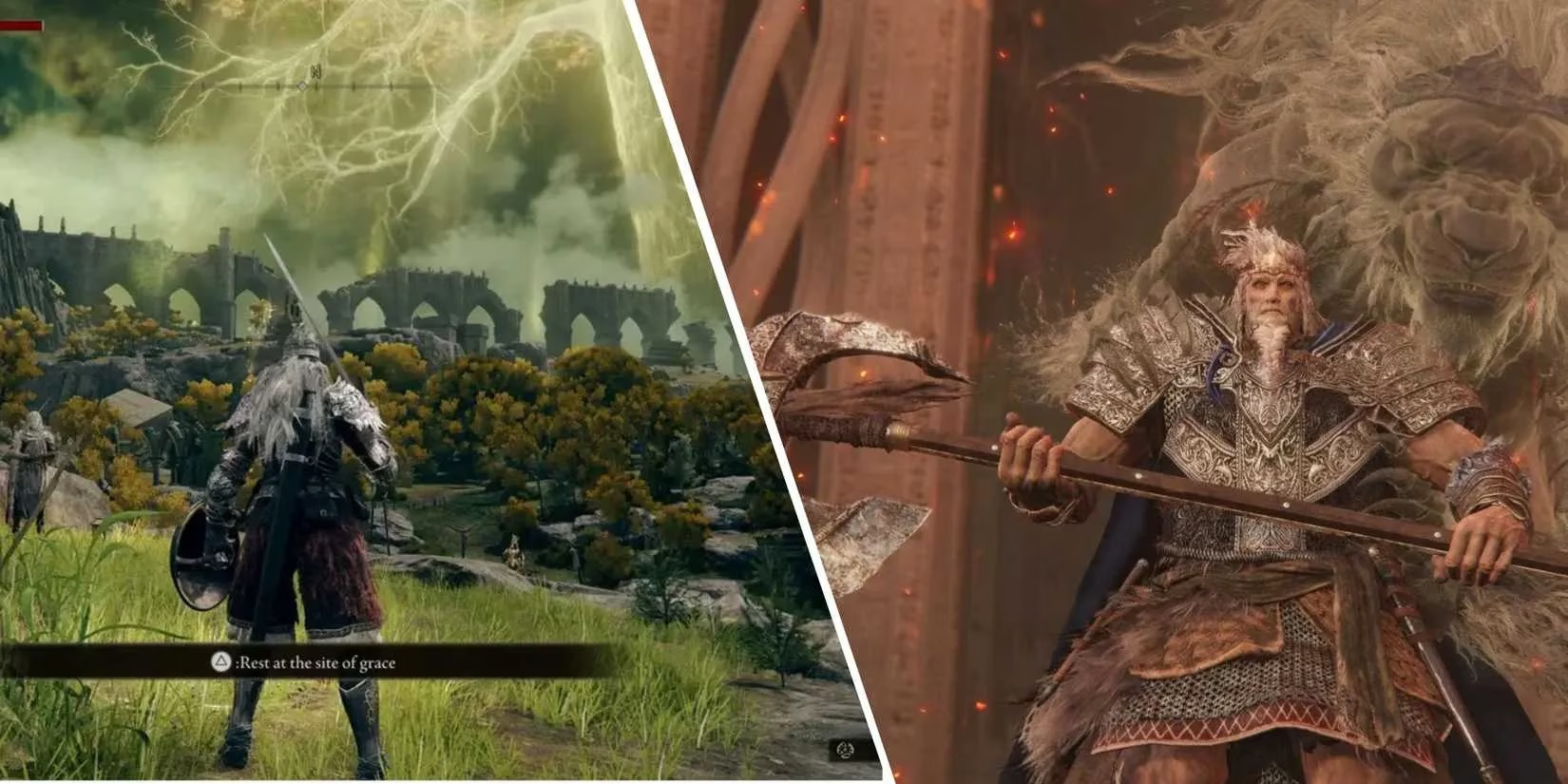
However, once you reach the endgame and commit a certain fiery act, the experience undergoes a dramatic tonal and structural shift. The open world, for all intents and purposes, closes. The final stretch to become Elden Lord becomes a relentless, linear gauntlet of some of the game's toughest bosses and areas, one after another. That freedom to walk away and tackle something else? Largely gone. It becomes a brutal funnel, a skill check that channels the more constrained, marathon-like finales of older Souls games. For some, it's an exhilarating climax. For others, it's a common 'wall' where they put the controller down. Regardless, it's a masterful shift in pacing that makes the final victory feel truly earned.
1. Inscryption: The Cabin is Just the Beginning
Daniel Mullins's Inscryption is a modern masterpiece of meta-horror and genre-blending. It starts as a deeply atmospheric, rogue-like deckbuilder trapped in a cabin with a creepy, talking card dealer. You build a deck of animal cards, play rounds in a life-or-death card game, and between rounds, you can get up from the table to explore the cabin in a first-person escape room style. The blend is unnerving, claustrophobic, and incredibly addictive.
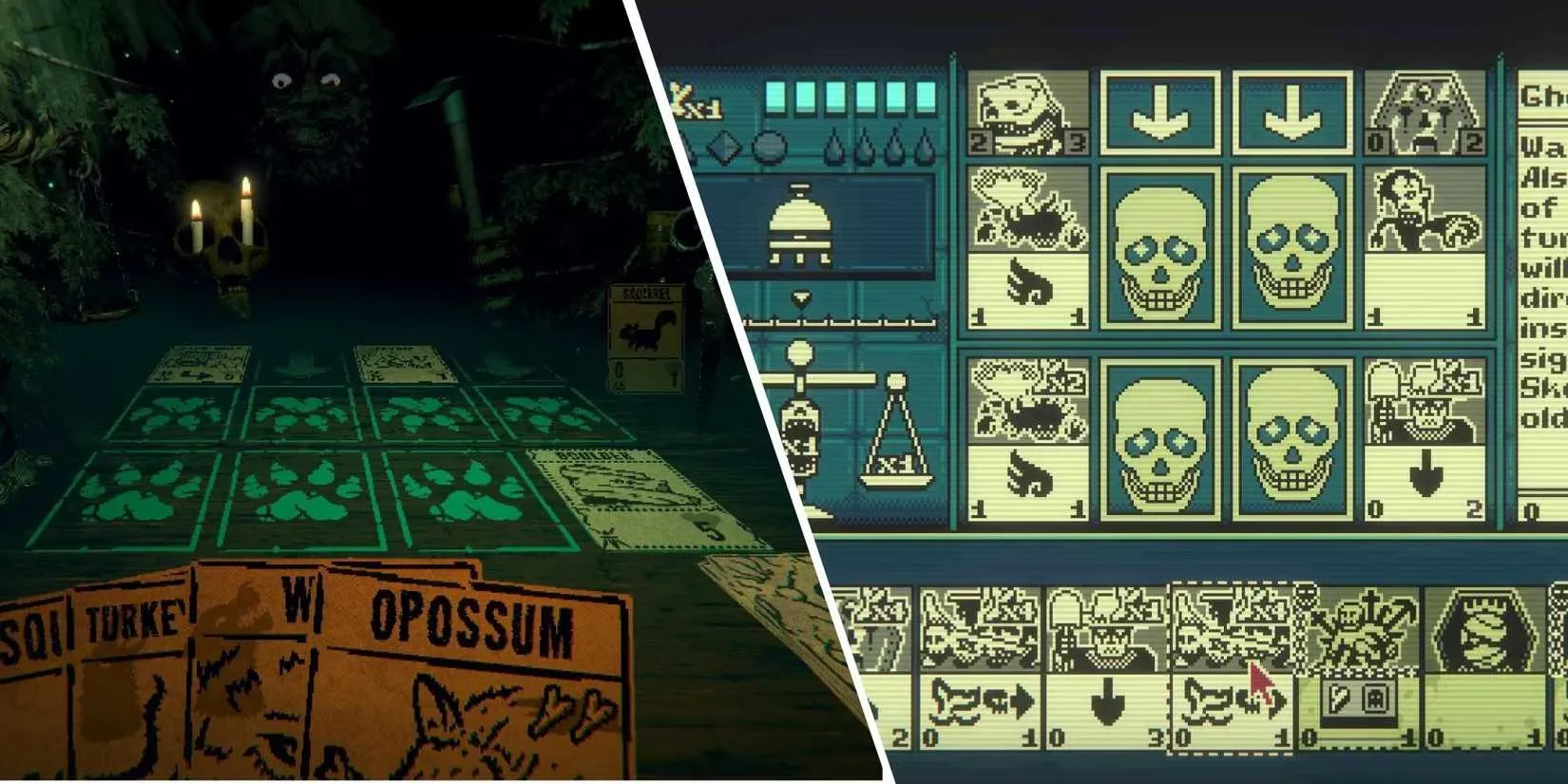
But just when you think you understand the rules of this bizarre game, Inscryption rips up the rulebook. The game undergoes a radical transformation, shedding its roguelike and escape-room elements. The perspective shifts to a top-down, pixel-art RPG. The card game remains, but it's now framed within a completely new narrative context and gameplay structure, involving exploration, character interaction, and collecting cards in a totally different way. This shift is jaw-dropping, supported by layers of meta-narrative and even real-world ARG elements. It's a constant, thrilling subversion of expectations that keeps the player guessing and engaged right up to the final, mind-melting credits.
Why These Shifts Matter
These ten games prove that while a solid, consistent gameplay loop is a safe bet, the biggest rewards in gaming often come from daring to break the mold. These shifts do more than just surprise us; they:
-
Refresh Engagement: They prevent gameplay from becoming stale by introducing new challenges and perspectives.
-
Deepen Narrative: Changes in genre or perspective can be powerful storytelling tools (like in The Last of Us Part II or In Stars and Time).
-
Showcase Artistic Vision: They remind us that games are an art form where the creators' wildest ideas can—and should—be realized.
So the next time you boot up a game, be ready. That comfortable genre label on the store page might just be a suggestion. The real adventure begins when the game decides to become something else entirely. 🎮✨
As gaming continues to evolve, players are constantly on the lookout for resources that enhance their experience. Whether it's discovering new strategies, finding rare items, or exploring the lore behind your favorite titles, having a go-to hub can be invaluable. This is where platforms like Lootbar come into play. Offering a treasure trove of gaming insights, Lootbar is a fantastic resource for those who want to delve deeper into game mechanics or stay updated with the latest industry trends.
For gamers who appreciate the art of storytelling and the thrill of unexpected gameplay shifts, Lootbar provides a space to connect with a community of like-minded enthusiasts. It not only enhances your understanding of games that dare to break boundaries but also keeps you informed about upcoming releases that might challenge your perceptions. Embrace the adventure and let platforms like Lootbar guide you through the ever-changing landscape of gaming. 🎮