The gaming world was electrified at The Game Awards 2024 when FromSoftware unveiled a project that few saw coming: Elden Ring: Nightreign. This announcement wasn't for the long-awaited expansion to the base game, but for something entirely different—a multiplayer-focused, standalone spin-off. For fans of the original's punishing, solitary journey through the Lands Between, this pivot towards a more social, hero-based experience might raise an eyebrow or two. Is this a sign that the revered studio is chasing trends and venturing into the volatile world of live service games? According to FromSoftware themselves, the answer is a resounding no.
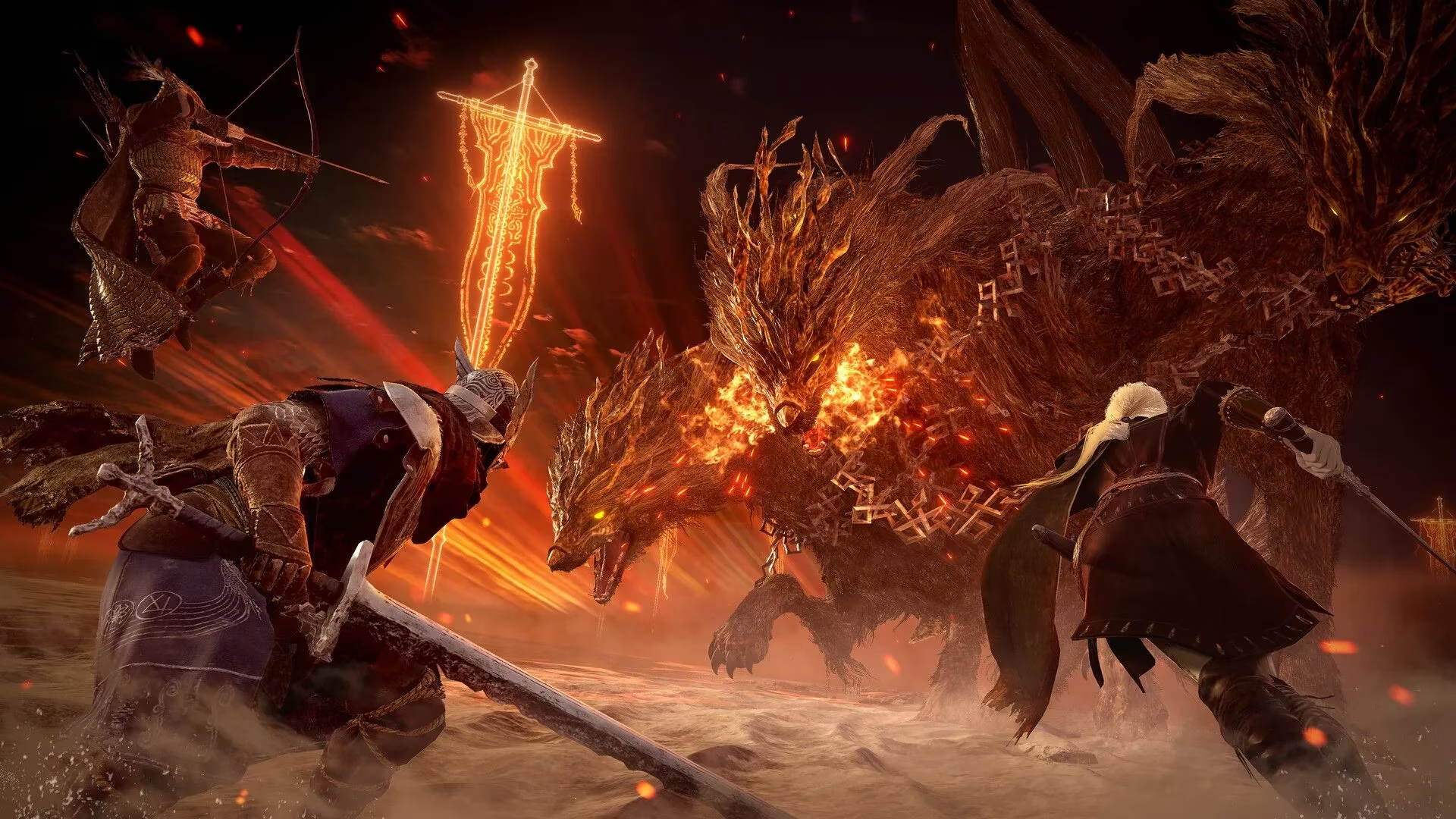
The reveal trailer immediately set a distinct tone. Gone were the silent, customizable Tarnished; in their place stood defined "hero" characters, each seemingly with unique abilities and roles, poised for cooperative or competitive multiplayer action. This visual shift is the core of what makes Nightreign a fascinating departure. It begs the question: how does a studio known for its intensely personal and atmospheric single-player narratives translate that magic into a shared experience? FromSoftware's track record inspires confidence, but the genre shift is undeniably significant.
A Complete Package, Not a Live Service
Perhaps the most crucial piece of information for wary fans came directly from game director Junya Ishizaki. In a clarifying statement, he laid out the studio's philosophy for Nightreign: "With Nightreign, we wanted to have a game that felt like a complete package out of the box on the day of purchase, so everything is unlockable, everything is contained with that purchase. It's not what we'd consider a 'live service' game." This is a vital distinction in the modern gaming landscape. Players are increasingly fatigued by games built around endless battle passes, seasonal content grinds, and piecemeal monetization.
FromSoftware is assuring its community that Elden Ring: Nightreign will be a traditional, full-fledged product. You buy it, you own it, and the core game experience is all there from the start. No mandatory online connectivity for core progression, no fear of essential content being locked behind a drip-feed schedule. This commitment to a "complete package" aligns more closely with their previous expansions, like Artorias of the Abyss or The Old Hunters, albeit within a new multiplayer framework.
What Does the Future Hold After Launch?
While the base game is promised to be whole at release, the natural follow-up question is about its longevity. Will Nightreign receive new content after launch? Ishizaki was careful in his response, indicating the team's primary focus is squarely on delivering a polished and compelling game for its 2025 release on PS5, Xbox Series X|S, and PC. He did, however, outline the studio's proven post-launch support strategy:
-
Guaranteed: Balance updates and patches. FromSoftware has a strong history of refining gameplay post-release based on community feedback and data.
-
Under Consideration: Additional content such as new characters, stages, or bosses. Ishizaki stated, "But we will make considerations after the game's release... For anything else, we're still in the process of thinking about the possibilities."
This sensible approach means the team isn't overpromising. They are building a solid foundation first. Any potential future content—whether as paid DLC or free updates—would be evaluated based on the game's reception and the community's desires, not a pre-ordained live service roadmap.
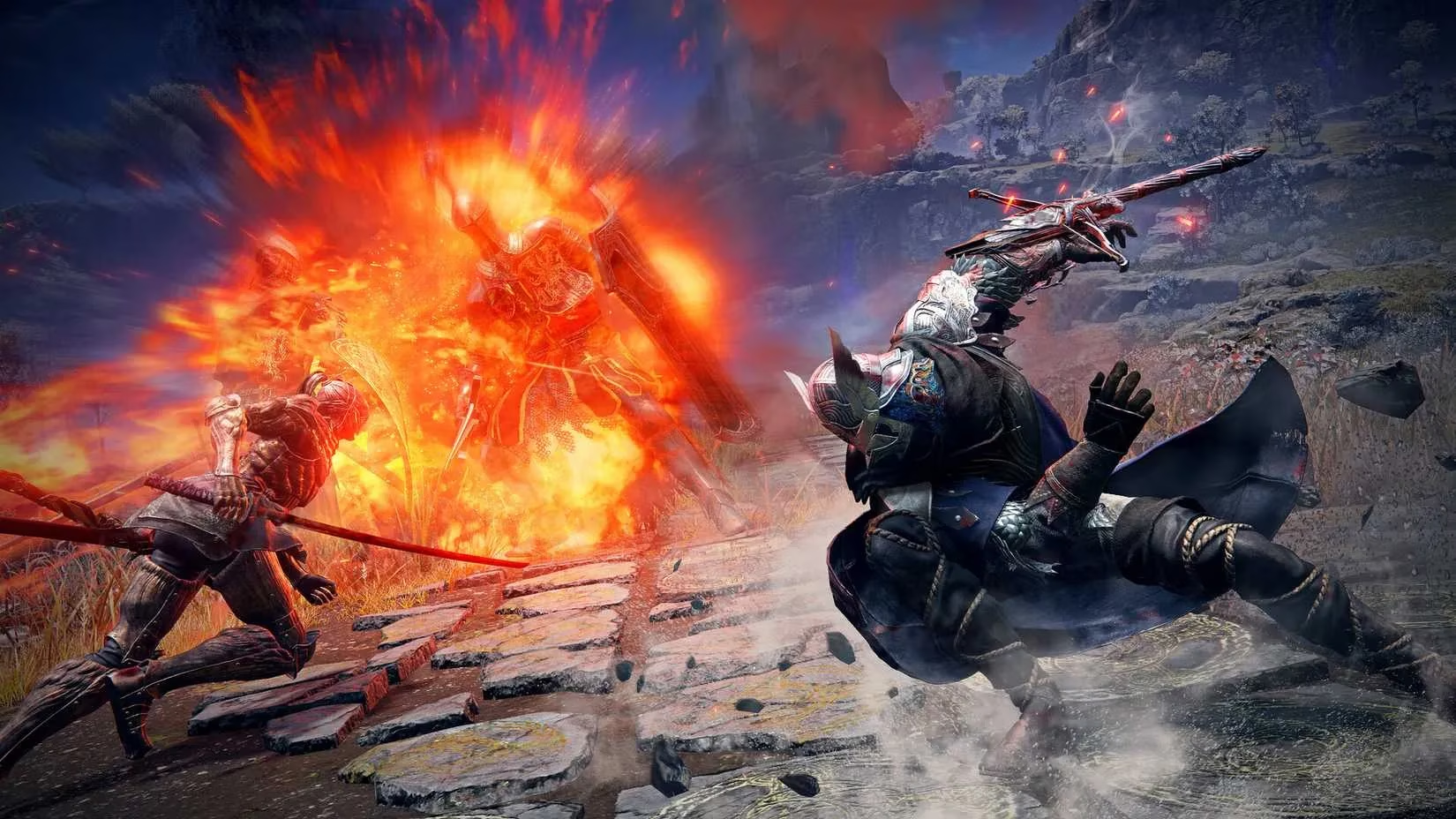
Trust in FromSoftware: The Studio's Legacy
The discussion around Nightreign ultimately circles back to one of the most valuable currencies in gaming: trust. FromSoftware has cultivated an immense reservoir of goodwill through consistent excellence. From Demon's Souls to Bloodborne, Sekiro, and the monumental Elden Ring, they have repeatedly delivered deep, challenging, and artistically coherent worlds. When they announce a new direction, fans listen, even with a healthy dose of skepticism.
This trust is why the clarification about it not being a live service game carries so much weight. The studio understands its core identity and the expectations of its player base. They are applying their distinctive design principles—tight combat, rich lore, formidable bosses—to a new multiplayer format. Could this be their take on a dungeon-crawling, boss-rush experience optimized for co-op? The announced first playtest will be the community's first real chance to see how these elements fuse together.
Looking Ahead to 2025
As we look towards its release in 2025, Elden Ring: Nightreign stands as one of the most intriguing projects on the horizon. It represents a bold experiment by a studio at the peak of its powers. Will it capture the emergent storytelling and shared struggle that made jolly cooperation in the original so memorable? Can defined heroes retain the sense of mystery and discovery that a blank-slate character provides?
The promise of a complete, self-contained experience is a reassuring anchor. It allows players to engage with Nightreign on its own terms, as a distinct branch of the Elden Ring saga. The potential for post-launch support exists, but it is not the core premise. In an era where games are often designed as platforms, Nightreign is being crafted as a destination. For a community accustomed to triumphing against daunting odds, the prospect of facing those challenges side-by-side with fellow players in a new, fully realized package is an exciting new frontier to conquer.