In the realm of video games, few elements can elevate a player's journey from a mere challenge to an unforgettable odyssey quite like a powerful soundtrack. For over a decade and a half, FromSoftware's Soulsborne series has masterfully wielded music as a narrative scalpel, cutting deep into the player's emotional core. In 2026, as we look back on this legacy, the boss themes stand as monolithic pillars, each one a complex emotional landscape that can turn a simple battle into a profound memory. These compositions are not mere background noise; they are the soul of the struggle, a sonic companion that transforms pixels and polygons into feelings of tension, glory, sadness, and awe. This exploration celebrates ten of these masterpieces, whose notes continue to resonate long after the controller is set down.
10. Old King Allant: The Blueprint's Lament
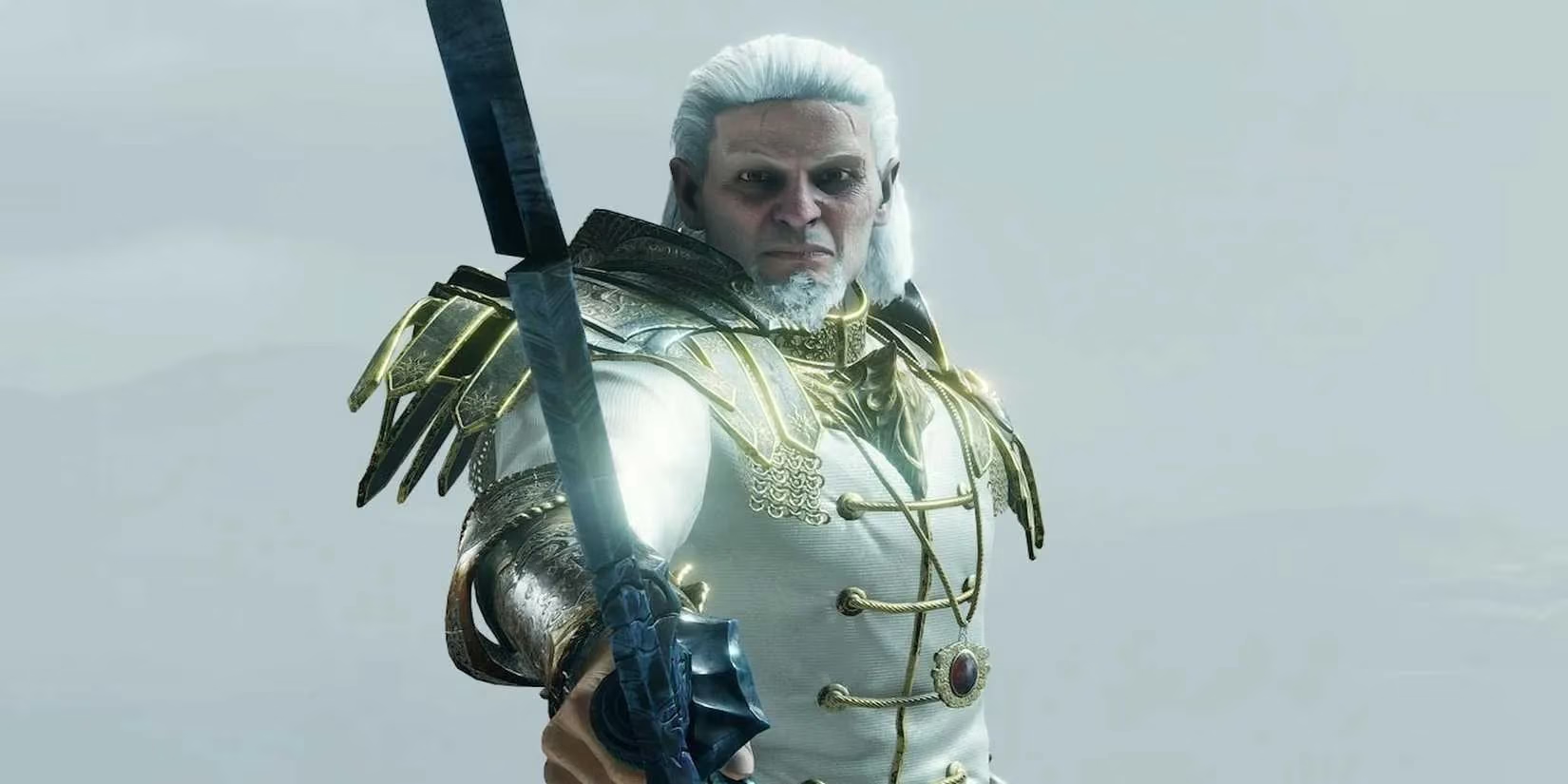
Often the overlooked progenitor, Demon's Souls established not just the punishing gameplay but also the sonic DNA for all that would follow. The theme for Old King Allant, the final sovereign of Boletaria, is where this emotional blueprint was first drawn. It's an epic yet profoundly melancholic piece that had to compensate for the technological constraints of its era. Unlike later, more gameplay-intensive battles, this fight leaned heavily on its music to inject a sense of grandeur and tragic finality. The theme acts like a faded tapestry, its threads of glory worn thin by time, perfectly mirroring the fallen king you face. It’s a reminder that in these worlds, the most powerful melodies are often those tinged with irreversible loss.
9. Soul of Cinder: A Symphony of Echoes
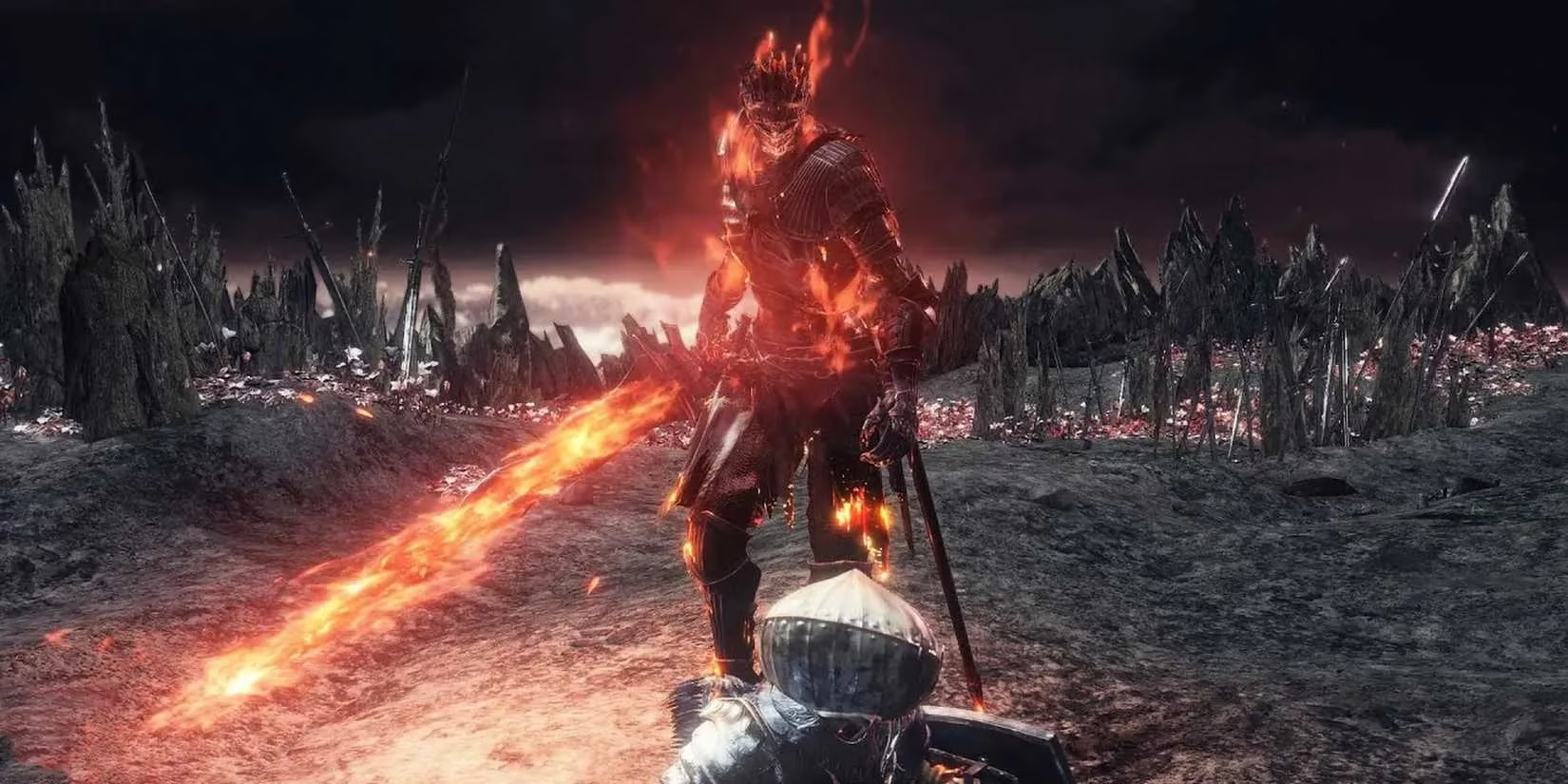
Dark Souls 3 was conceived as a grand finale, and no theme encapsulates this conclusive purpose better than Soul of Cinder. This boss is a living, fighting monument to the entire series, and composer Yuka Kitamura crafted a theme that is a musical ouroboros, a serpent eating its own tail of nostalgia. The first phase is a majestic, original composition befitting a final test. Then, the second phase begins, and a familiar, haunting piano melody rises—the theme of Gwyn, Lord of Cinder. This isn't just a callback; it's a moment of profound narrative and emotional synthesis. The music tells you that you are not just fighting a boss, but the very essence and history of Dark Souls itself, a moment guaranteed to raise goosebumps on any veteran hunter or chosen undead.
8. Aldia, Scholar of the First Sin: The Fire That Questions
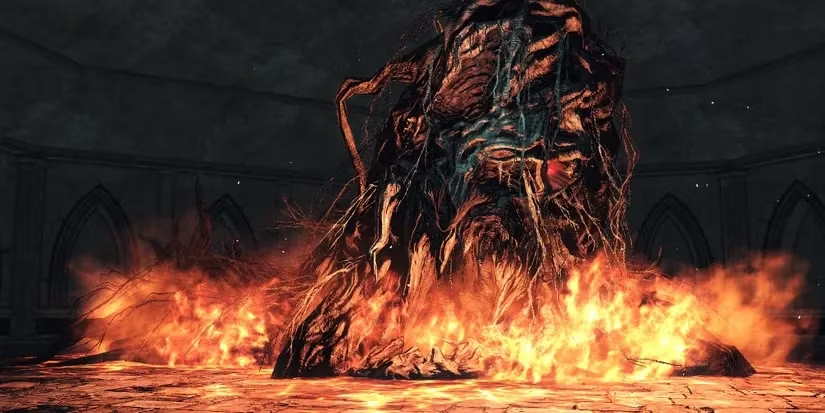
Dark Souls 2 may be divisive, but its final act presents one of the series' most philosophically potent moments with Aldia, Scholar of the First Sin. As a boss fight, it is mechanically sparse. As an audiovisual experience, it is unparalleled. The theme is a slow, choral, and deeply sorrowful piece that doesn't accompany a battle for power, but a debate against destiny. The music conveys the immense weight of guilt, frustration, and the exhausting struggle against a cosmic cycle you never asked to join. Aldia is less an enemy and more a sentient, burning question mark, and his theme is the sound of that question echoing in a silent universe. It proves that in Soulsborne, the most devastating conflicts are often fought with ideas, not swords, and the soundtrack is the vessel for those ideas.
7. Godskin Apostles: Divine Dread in Duet
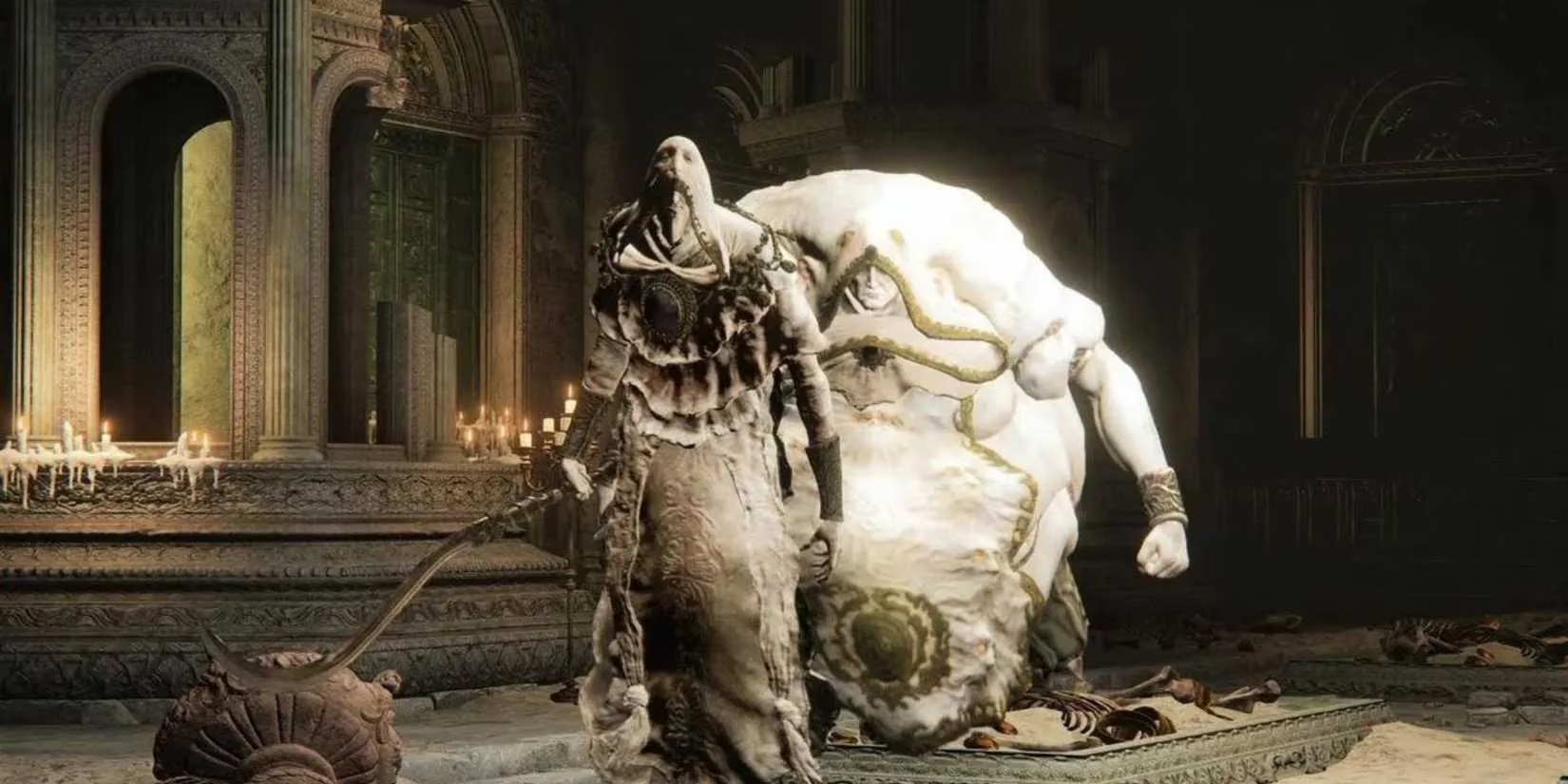
While the Godskin enemies in Elden Ring may have overstayed their welcome through repetition, their shared theme, Godskin Apostles, remains a masterpiece of atmospheric dread. This track is a chilling paradox: it is simultaneously majestic and grotesque, holy and horrifying. The gregorian-like chants and deep, resonant strings perfectly encapsulate the Godskins' lore as beings who hunt divinity to wear it. Facing them feels less like a battle and more like a sacrilegious ritual given sound, where you are the unwilling participant. The theme elevates each encounter, reminding you that you are tangling with entities whose power and purpose are woven into the very fabric of the Lands Between's twisted theology.
6. The Promised Consort: A Clash of Crowns
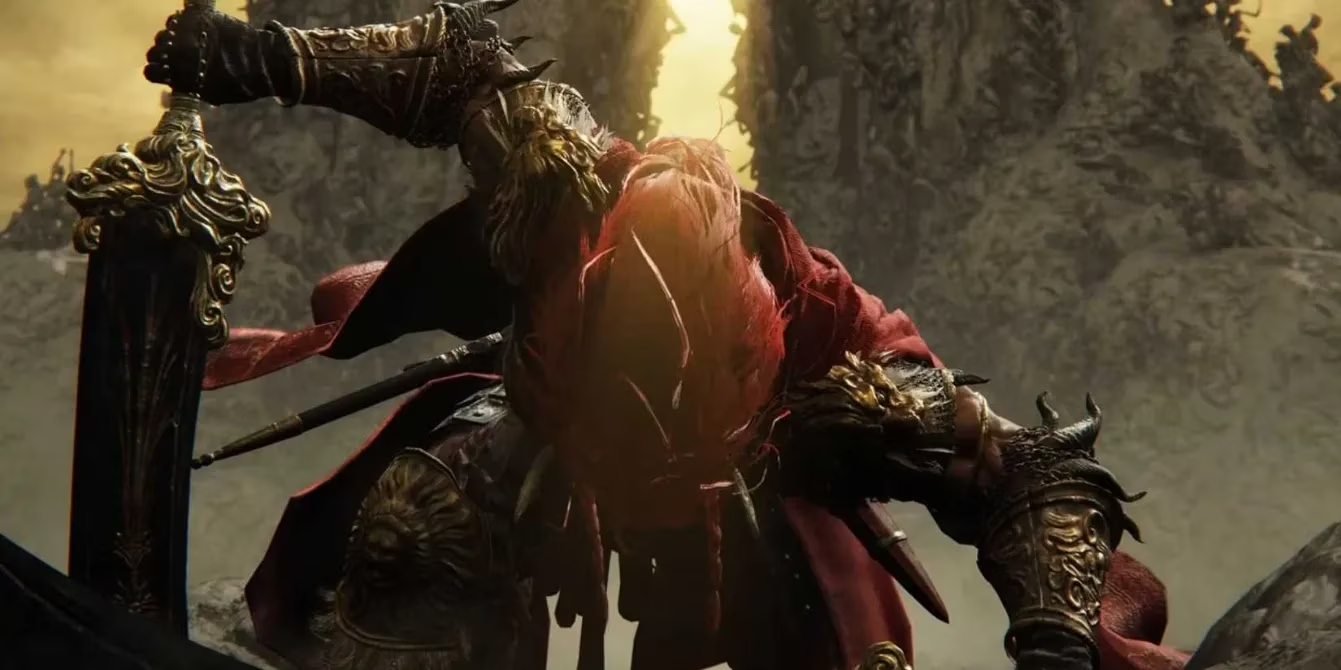
The climax of the Shadow of the Erdtree expansion is embodied in Promised Consort Radahn and its phenomenal theme, The Promised Consort. This track is a monumental piece of music that does the heavy narrative lifting. It sonically paints the picture of two nascent gods clashing to dictate the future order of the world. The composition swells with a sense of inevitable, world-shattering conflict. Its genius is in the transition to the second phase, where the music seamlessly incorporates Miquella's lullaby-like motifs, symbolizing his takeover. The theme is a sonic tectonic plate shift, conveying the sheer scale and stakes of the battle perhaps even more effectively than the visual spectacle, especially during its technically turbulent launch period.
5. Slave Knight Gael: Glory in the Gloom
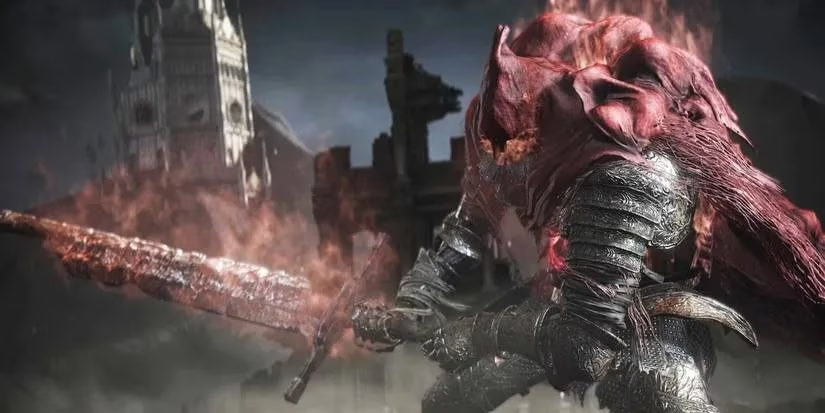
As the true finale to the entire Dark Souls saga, Slave Knight Gael is a perfect boss in every regard, and his theme is the trilogy's magnificent swan song. The music evolves in lockstep with the fight, starting with a desperate, searching melody that builds into a frantic, choir-driven crescendo as Gael unleashes his full power. This theme captures the essence of the series' conclusion: it is a glorious battle fought at the literal end of time, in a barren wasteland, for the last scraps of a forgotten world. The glory it imparts is profoundly hollow, a symphony for an empty auditorium. There are no kingdoms to save, only two persistent beings dancing their final, violent dance, with the soundtrack as the only witness to their sublime, pointless majesty.
4. The Final Battle: A Legacy Forged in Gold
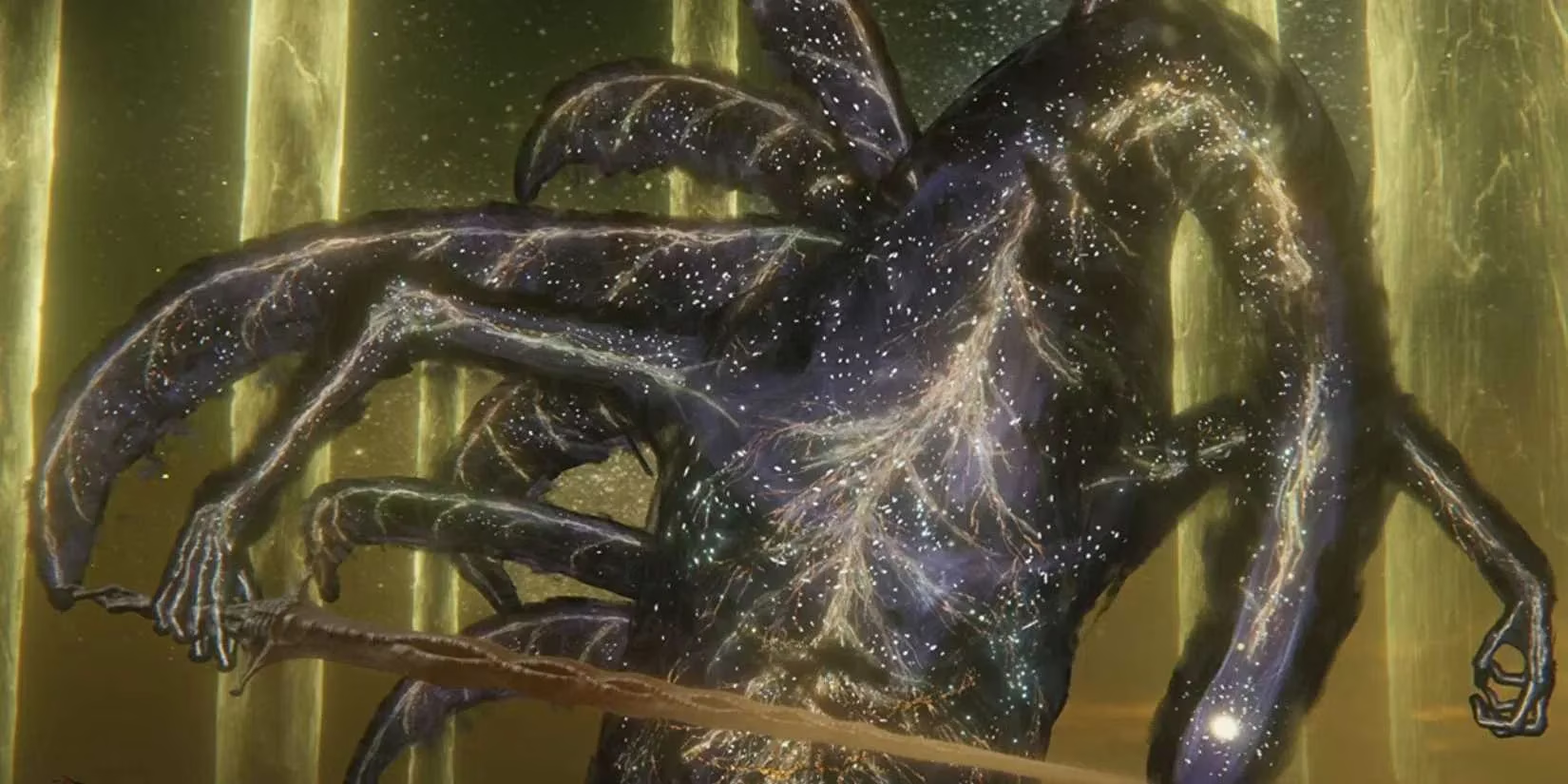
Elden Ring's concluding duel, split between Radagon and the Elden Beast, is underscored by the masterful The Final Battle. This theme is the culmination of a hundred-hour journey. It brilliantly reprises the main title theme, that iconic melody that first welcomed players to the Lands Between, now rearranged with a tone of solemn, conclusive power. Fighting Radagon to this music feels like the final, decisive hammer strike on the narrative anvil. When the battle shifts to the Elden Beast, the music becomes more ethereal and alien, matching the otherworldly nature of the creature. This theme is a sonic heirloom, weaving together FromSoftware's decades of experience into a single, golden thread that ties the entire epic together.
3. Ludwig, The Accursed/The Holy Blade: From Beast to Maestro
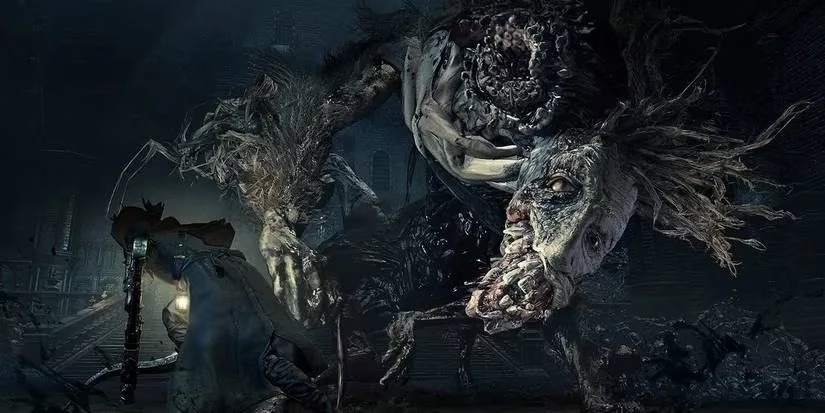
Ludwig, The Accursed possesses what many consider the most transformative theme in the series. The piece begins as a chaotic, dissonant barrage of organs and strings, mirroring Ludwig's bestial, corrupted state. Then, upon retrieving his Holy Moonlight Sword, the music undergoes a breathtaking metamorphosis. A heroic, soaring choir and brass section erupt, reflecting the sliver of nobility and grace that remains within the monster. This transition is not just musical; it's a narrative lightning bolt scored for full orchestra. It tells the story of a fallen hero remembering his purpose mid-fight. The theme is so perfectly integrated with the boss's design and lore that it elevates the encounter from a fight to a tragic opera in three acts.
2. Gehrman, The First Hunter: A Waltz of Mercy and Sorrow
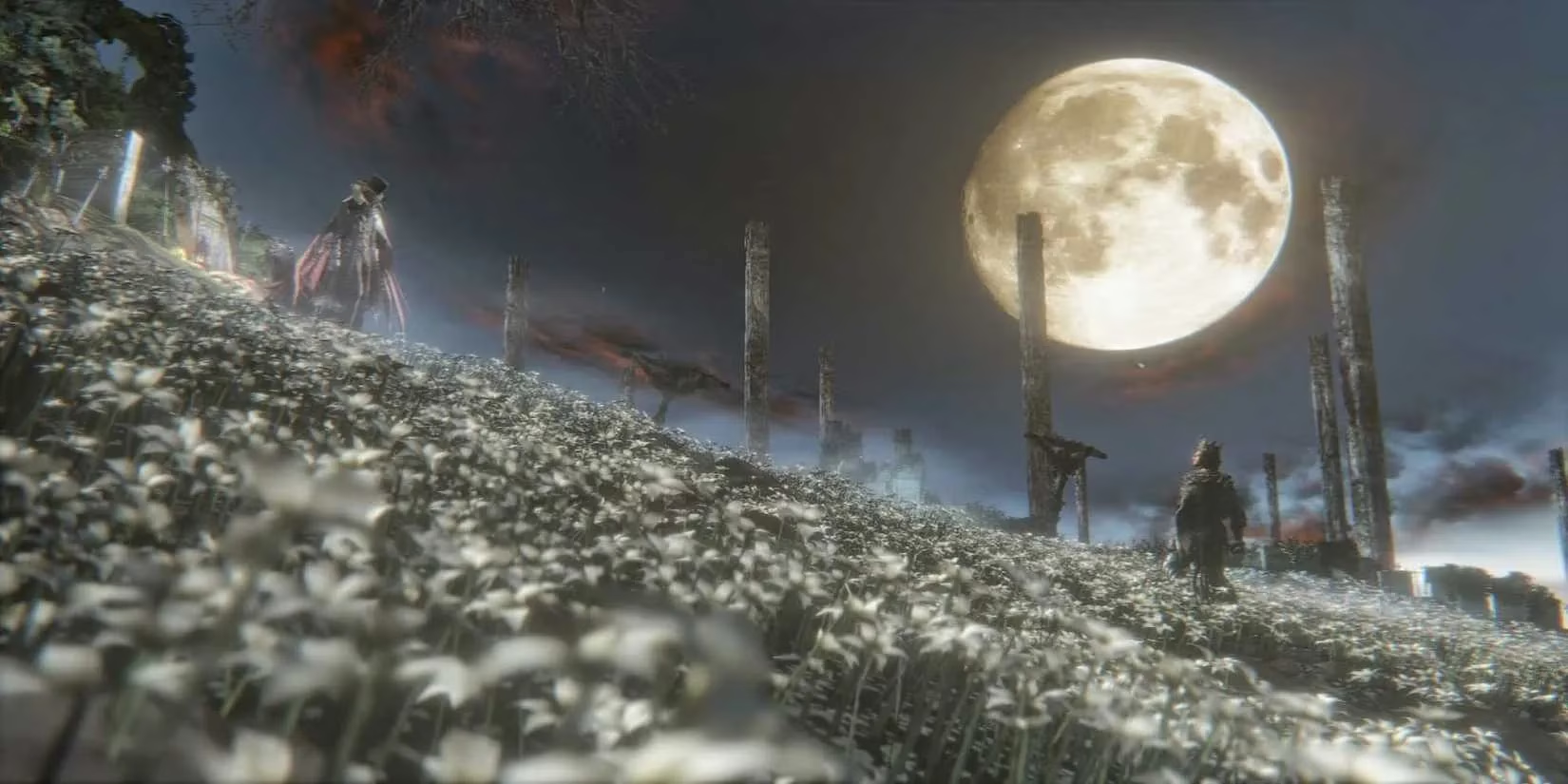
The fight against Gehrman, The First Hunter is a masterclass in using music to subvert expectation. Set in a beautiful, mournful field of white flowers under a gigantic moon, the visuals suggest a final, epic duel. Yet, the soundtrack tells the true story. Instead of bombastic heroism, Gehrman's theme is a heartbreakingly sad, waltz-like piece built around a sorrowful violin and piano. This music reframes the entire battle. It is not a clash of titans, but a mercy killing performed as a ballet. It is one hunter, trapped in an endless nightmare, begging another to free him by ending his life. The poignant contrast between the graceful, melancholic music and the violent, visceral combat creates an unforgettable emotional dissonance that solidifies this moment as pure video game artistry.
1. Gwyn, Lord of Cinder: The Piano That Defined a Genre
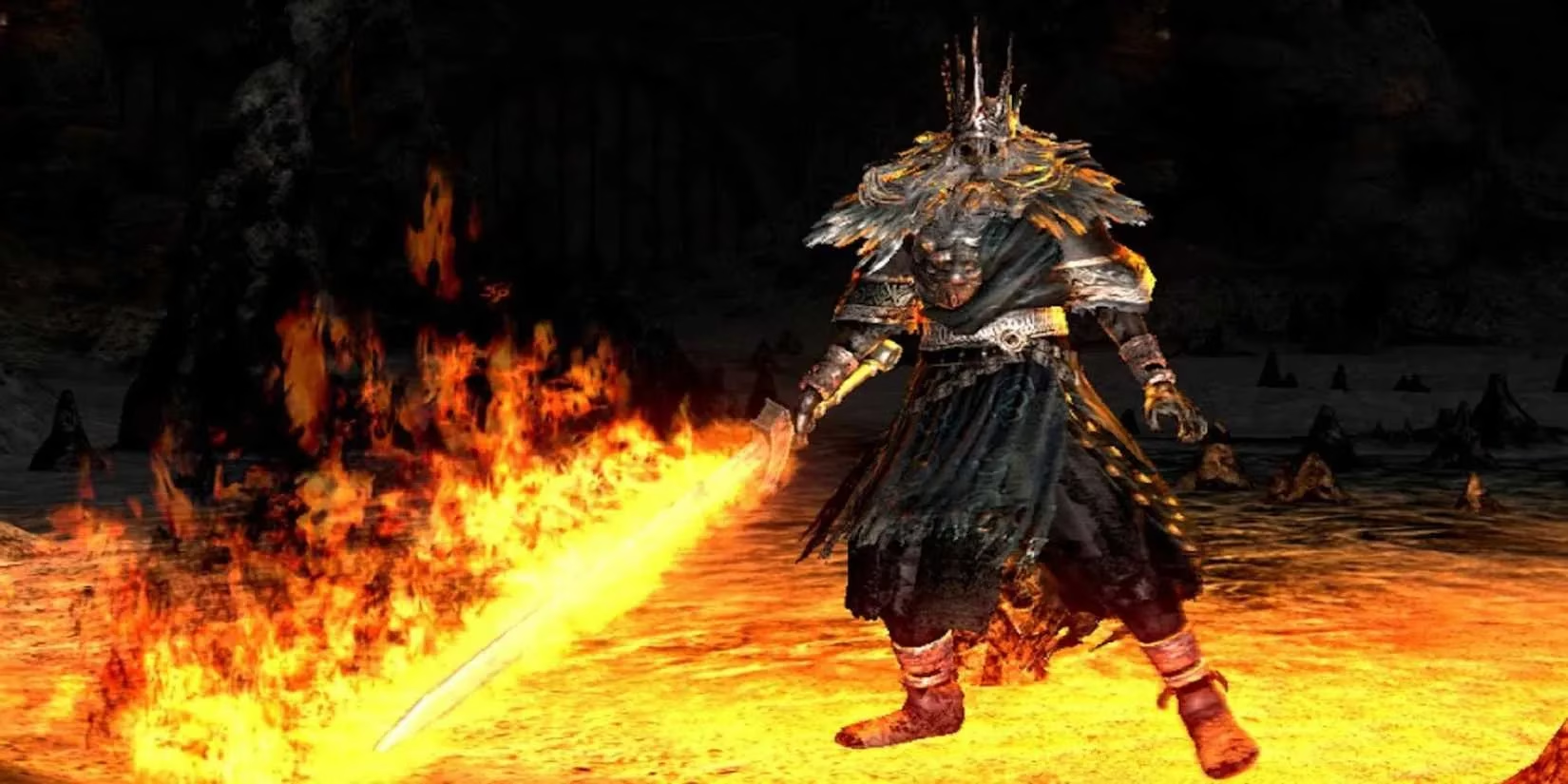
Topping this pantheon is the theme that started it all for many: Gwyn, Lord of Cinder. Its genius lies in its devastating simplicity. After dozens of hours of orchestral grandeur and choral might, the final boss of the original Dark Souls is accompanied by a solitary, somber piano piece. This minimalist choice is a narrative masterstroke. The music is beautiful, lonely, and tragically frail. The legendary detail that composer Motoi Sakuraba used only the white keys to symbolize Gwyn's fear of the Dark elevates it from a great track to a profound piece of storytelling. This theme is the haunting, final heartbeat of a dying age. It isn't just Gwyn's lament; it is the sound of the First Flame flickering, of a kingdom in ashes, and of the weary burden of the Chosen Undead. In just a few minutes of simple piano notes, it encapsulates the entire soul of Dark Souls: a beautiful, poignant tragedy.
In 2026, these themes remain more than just video game music. They are emotional waypoints in a collective gaming journey, fossilized melodies that contain within them the memories of struggle, triumph, and profound reflection. They prove that in the hands of masters, a boss fight's soundtrack can be its most powerful weapon and its most lasting gift.