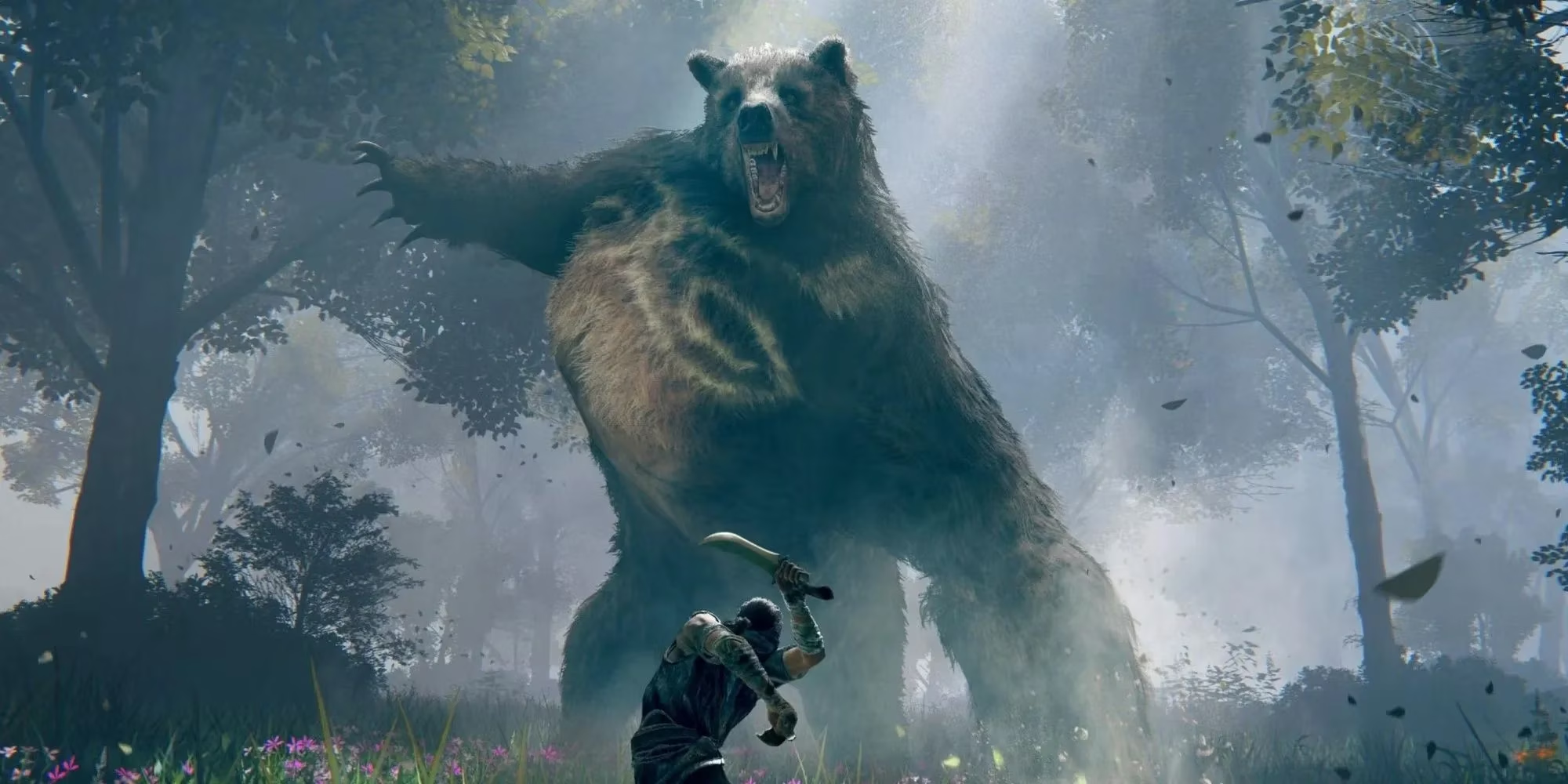
As we approach the fourth anniversary of its groundbreaking release, FromSoftware's Elden Ring continues to stand as a monumental achievement in the Souls-like genre and arguably the studio's magnum opus. Its vast, intricate world, teeming with side-quests, formidable bosses, and a deeply woven narrative populated by masterfully designed characters, has solidified its place in gaming history. A significant part of its enduring appeal lies in its rich, layered mythology—a collaborative effort between the developers and famed author George R.R. Martin. This lore doesn't just provide backdrop; it forms the very bedrock of the Lands Between, pulling from ancient wells of inspiration to create something uniquely compelling. Let's dive into the mythological foundations that make this world tick.
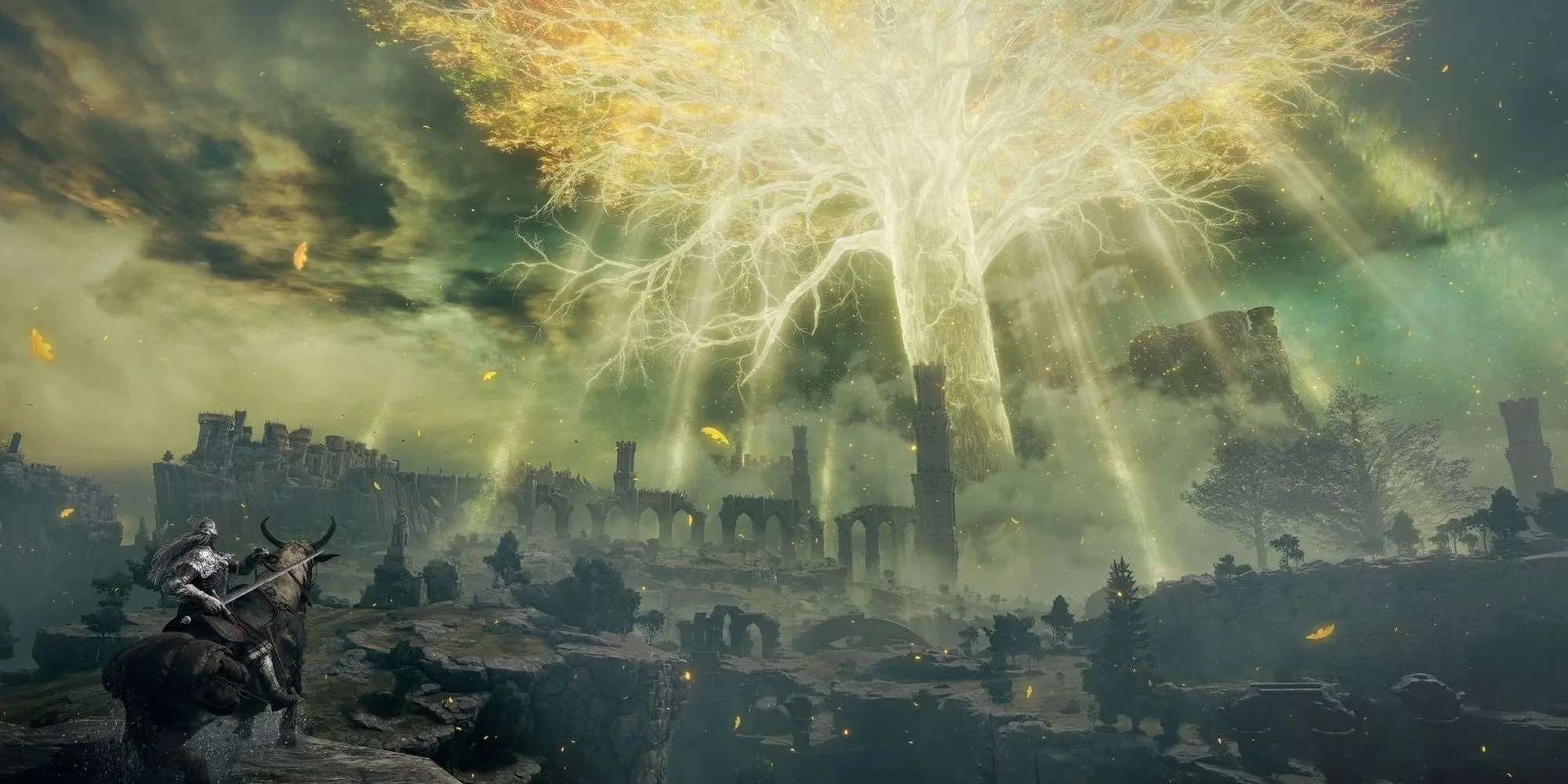
To metaphorically crack open Elden Ring and its design document is to peel back various layers of artistic and narrative choice, revealing a complex tapestry of influences. While one could write a multi-page dissertation on every symbolic nuance and historical reference, the core mythological inspirations are fascinatingly clear. The game's primary aesthetic is undeniably medieval European, borrowing armor and architectural styles from up and down the timeline of history. However, when we drill down into the names, creatures, and foundational stories, the strongest threads lead directly back to old Irish and Celtic myths.
🍀 The Celtic Core: Heart of the Lands Between
FromSoftware’s artists and writers have woven Celtic mythology deeply into the game's fabric. This isn't just a superficial skin; it's in the DNA.
-
The Formidable Giants: The fearsome Fire Giants bear a striking resemblance to the Irish Fomorians, a race of monstrous, often hostile beings from Celtic lore who were said to have inhabited Ireland.
-
Symbols and Sigils: Items like The Golden Beast Crest Shield are near-direct references to artifacts like the ancient Celtic Battersea Shield, grounding the game's iconography in real historical artistry.
-
The Power of Names: A quintessential Celtic trope is the concept of true names conferring power. This is mirrored throughout Elden Ring where knowing something's true name or nature is key to understanding—and sometimes overcoming—it. Everything seems to have two names or a hidden identity.
-
Knights and Kings: Characters like Elemer of the Briar evoke the Red Branch Knights of the Ulster Cycle, legendary warriors who served the Kingdom of Ulster. His described homeland, Eochaid, is itself a name borne by several ancient Irish High Kings, adding a layer of regal, mythic history.
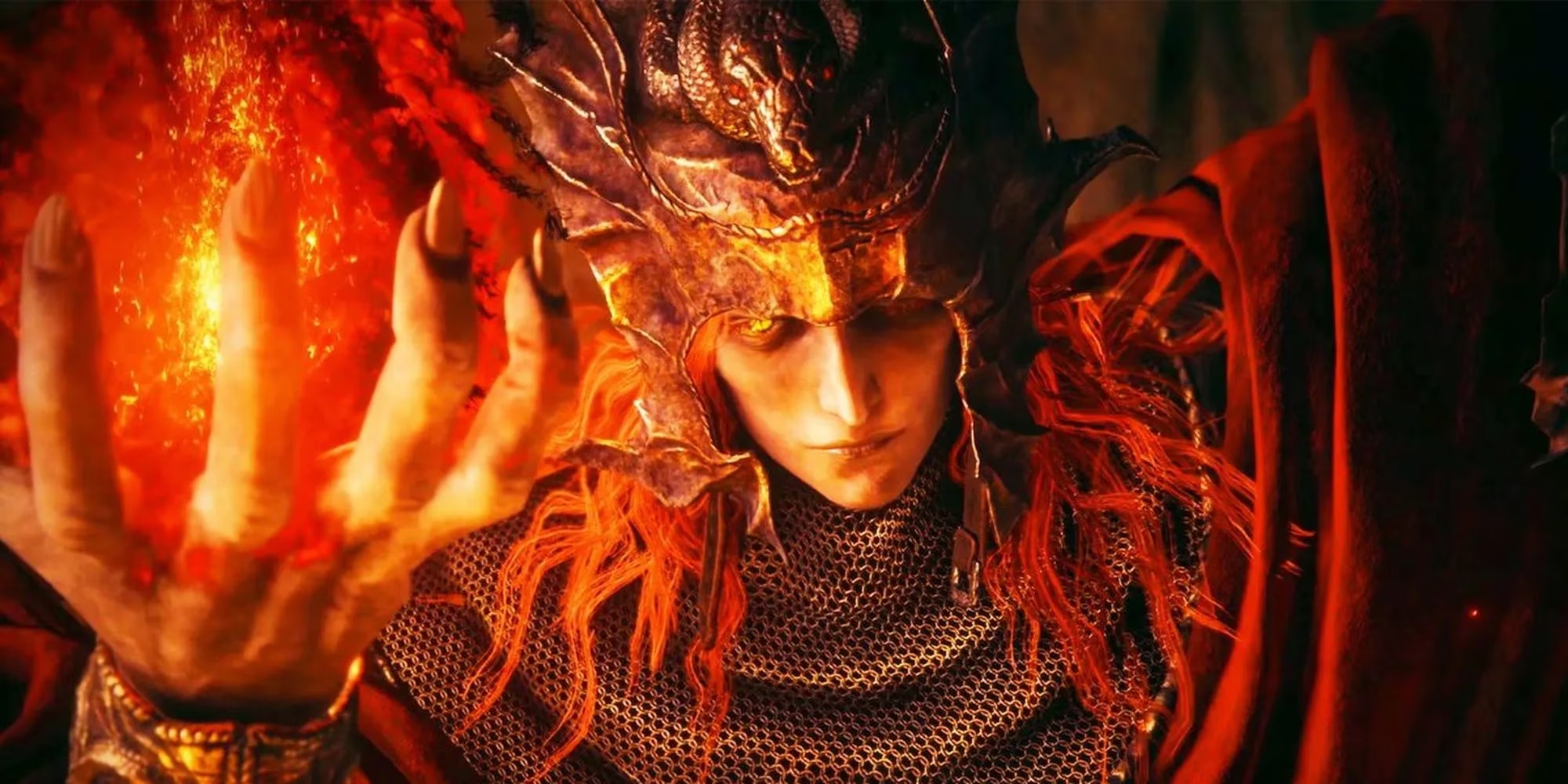
🌍 A Global Melting Pot of Myths
While the core is purely Celtic, the genius of Elden Ring's world-building is in its bit of a melting pot approach. The developers, true to form, have sprinkled in influences from across the globe, creating a world that feels both familiar and utterly alien.
-
Norse Roots: The most glaring example is the Erdtree itself, a clear parallel to Yggdrasil, the World Tree from Norse mythology. This cosmic axis connects all realms, much like the Erdtree's influence permeates the Lands Between.
-
Eastern Undertones: There are distinct notes of Japanese Shintoism, particularly in the reverence for spirits and natural forces, alongside subtle Christian iconography through the prevalent use of crosses and the concept of a ‘special magic family’ (the demigods) whose conflict dictates the fate of all.
-
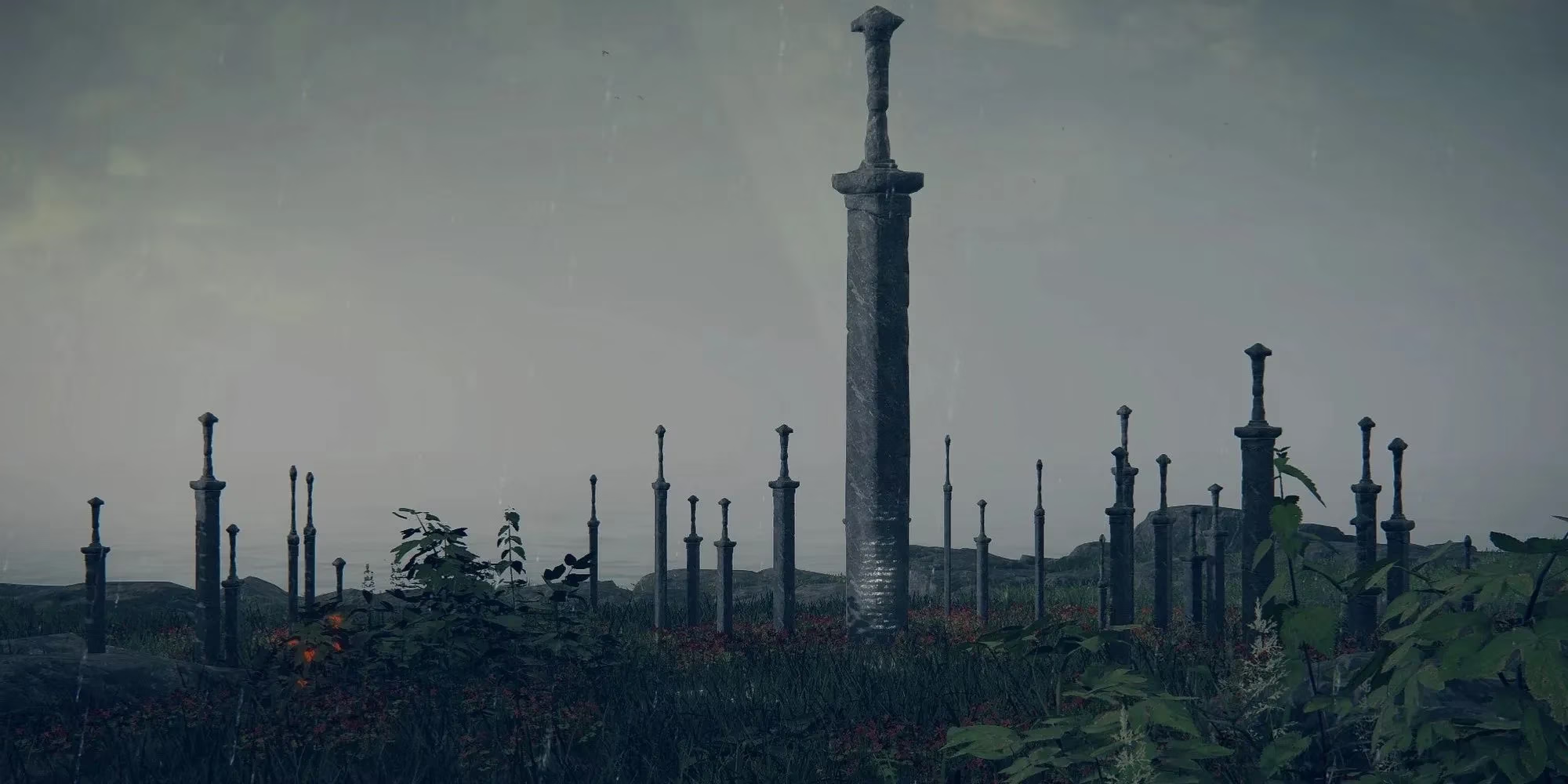
Warrior Traditions: The practice of planting swords to mark graves is an old Norse Viking tradition, seen in the haunting landscapes of Caelid and Limgrave.
-
Homages and Inspirations: The shadow of Kentaro Miura's Berserk—a known favorite of director Hidetaka Miyazaki—looms large in the game's gritty, tragic tone and monstrous designs. References to the works of Hayao Miyazaki (the other Miyazaki) also pepper the world with a sense of wondrous, sometimes melancholic, beauty.
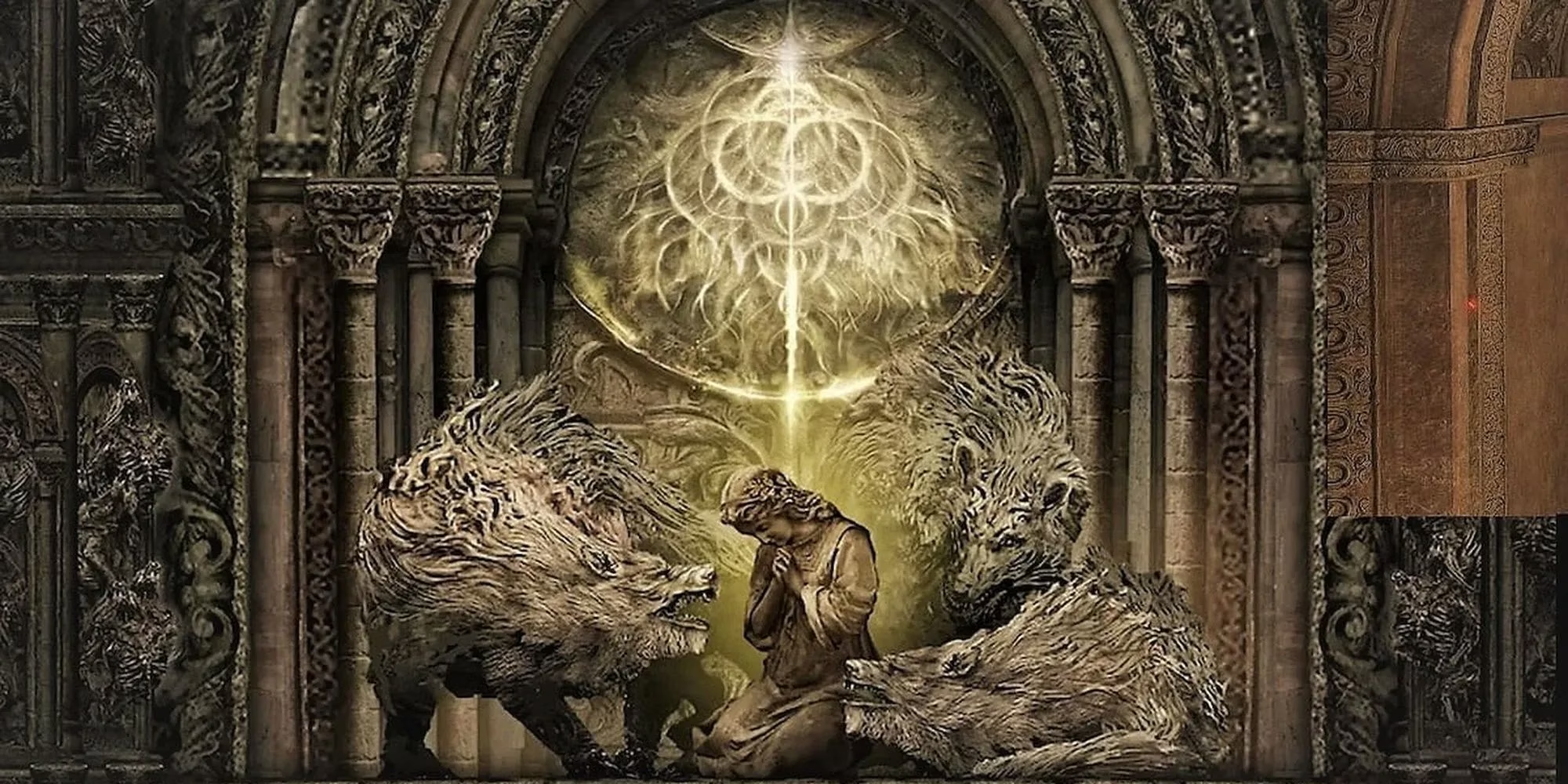
❓ Why This Mythological Mix Works
So, why is Elden Ring's lore such a mixed bag of global goodness? The answer is deceptively simple: it's good game design. FromSoftware has always operated on a philosophy of "cool first." They trawl through history and global cultures, finding unique and lost designs, compelling stories, and powerful symbols, then incorporate them into their worlds. This creates a dense, rewarding environment where players feel they are uncovering fragments of a truly ancient, lived-in world.
Furthermore, the in-game lore supports this fusion. The Lands Between is explicitly a crossroads, visited by people from other places. This narrative justification is why a Tarnished might encounter a Samurai from the Land of Reeds, a Teutonic Knight, and a Norse-inspired Barbarian all in one journey. It’s not just a design choice; it’s a canonical feature of the world's history.
In 2026, looking back, the success of Elden Ring’s mythology lies in this respectful yet creative synthesis. It doesn't merely copy legends; it re-contextualizes them into a new, cohesive whole. The Celtic core provides a strong, mystical foundation, while the global influences add texture, surprise, and a sense of epic, world-spanning history. It’s a masterclass in world-building that other developers will likely be trying to git gud at for years to come.