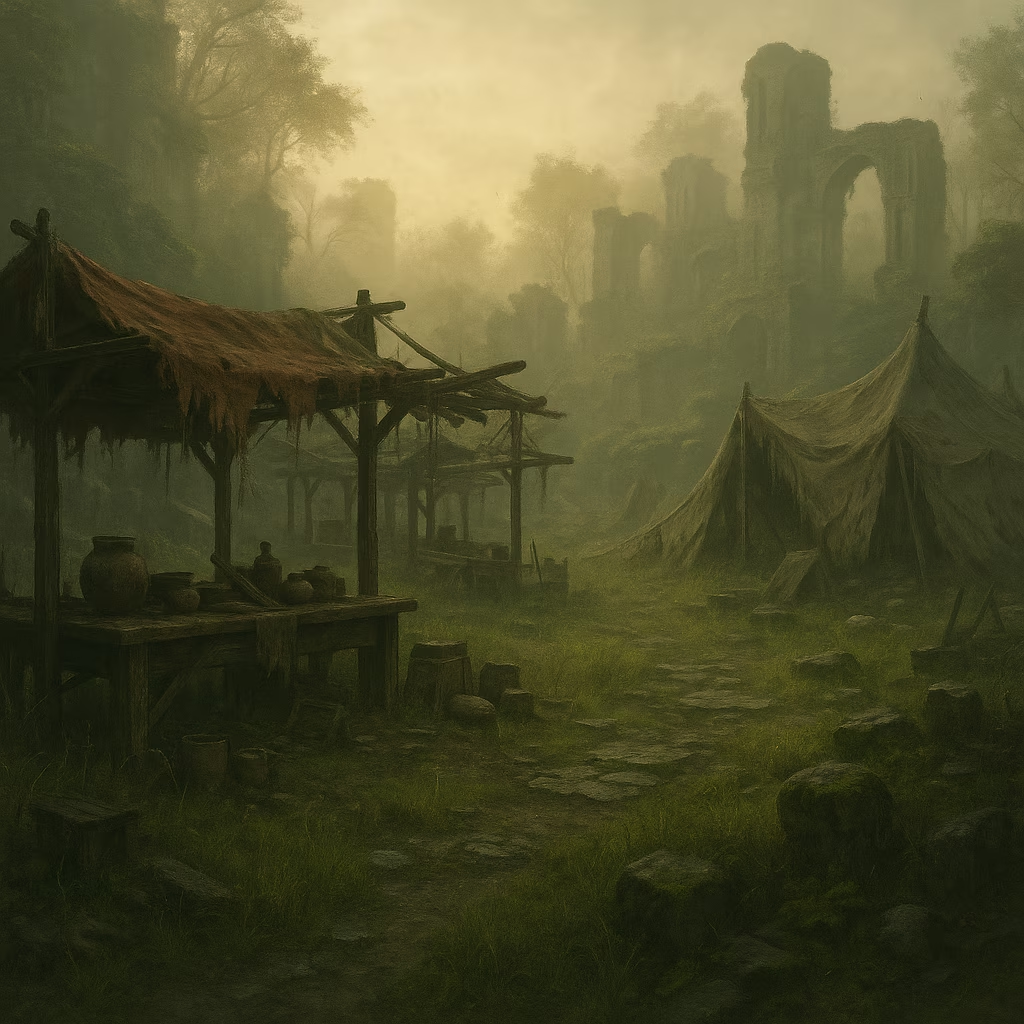
Even now in 2026, years after its release, Elden Ring remains a titan in the gaming landscape. For me, it's more than just a game; it's a sprawling, living tapestry of pain, beauty, and secrets. FromSoftware, the architects of this masterpiece, have truly perfected their craft, creating a world that feels less like a digital playground and more like a forgotten continent you've somehow stumbled into. The Shadow of the Erdtree DLC was like finding a whole new wing in a museum you thought you'd already memorized. Yet, as I've poured hundreds of hours into the Lands Between, there's this one persistent, nagging feeling—a single, fixable flaw that keeps the experience from being truly perfect for players like me who want to see and collect everything. The game's habit of locking away items based on irreversible choices feels like being given a master key to a castle, only to find a single, tantalizing door permanently welded shut.
The Completionist's Curse: A 133-Hour Journey with a Catch
Let's talk numbers. Chasing that mythical 100% completion in Elden Ring isn't a weekend project; it's a pilgrimage. We're talking about a journey estimated to take a whopping 133 hours. That's an investment! For us completionists, it's a goldmine—every hidden cave, every cryptic NPC quest, every legendary weapon is a story to uncover. The problem? The game actively designs roadblocks to stop you from getting everything in one go. It's like a master chef preparing a 20-course feast but telling you that you can only choose between the soup or the salad. You'll leave satisfied, but you'll always wonder about the one you missed.
The Heartbreaking Choice: Millicent's Quest
The poster child for this frustration is Millicent's questline. It's a beautiful, tragic story that perfectly encapsulates the melancholy tone of the game. But at its climax, the game forces you into a Sophie's Choice for gear. You must pick either the Rotten Winged Sword Insignia or Millicent's Prosthesis. Both are fantastic talismans for specific builds. You can't save-scum. You can't bargain. The choice is final. For someone trying to fill every slot in their inventory, this moment isn't a meaningful roleplaying decision; it's a mandatory failure state for a completionist run. It turns what should be an emotional narrative climax into a moment of logistical frustration.
A Glimmer of Hope: The Walking Mausoleums
However, FromSoftware did show us a glimpse of a better way. Remember the Walking Mausoleums? Those hulking, four-legged buildings that roam the landscape like lost, stone elephants? They're one of the coolest environmental features in the game. Their primary function is to duplicate the "Remembrances" you get from major bosses, allowing you to get both potential rewards from a single boss kill. This mechanic is a godsend and proves that FromSoftware understands the desire for build variety within a single playthrough.
| Feature | The Good | The Frustration |
|---|---|---|
| NPC Quest Choices | Creates weighty, memorable narrative moments. | Permanently locks out unique items and endings. 😩 |
| Walking Mausoleums | Allows duplication of key Boss Remembrances! 👍 | Only applies to a limited set of items. |
| The 100% Run | A 133-hour epic full of discovery. | Technically impossible without multiple playthroughs. |
This is the seed of a brilliant idea. The Mausoleums represent a philosophy of accessibility through exploration, not restriction through narrative. Imagine if FromSoftware's next title expanded this concept. What if, hidden in the deepest, most challenging corners of the world, there were mechanics or locations that allowed a dedicated player to eventually obtain all the missable items? It wouldn't cheapen the choices; it would just reward the most extreme dedication.