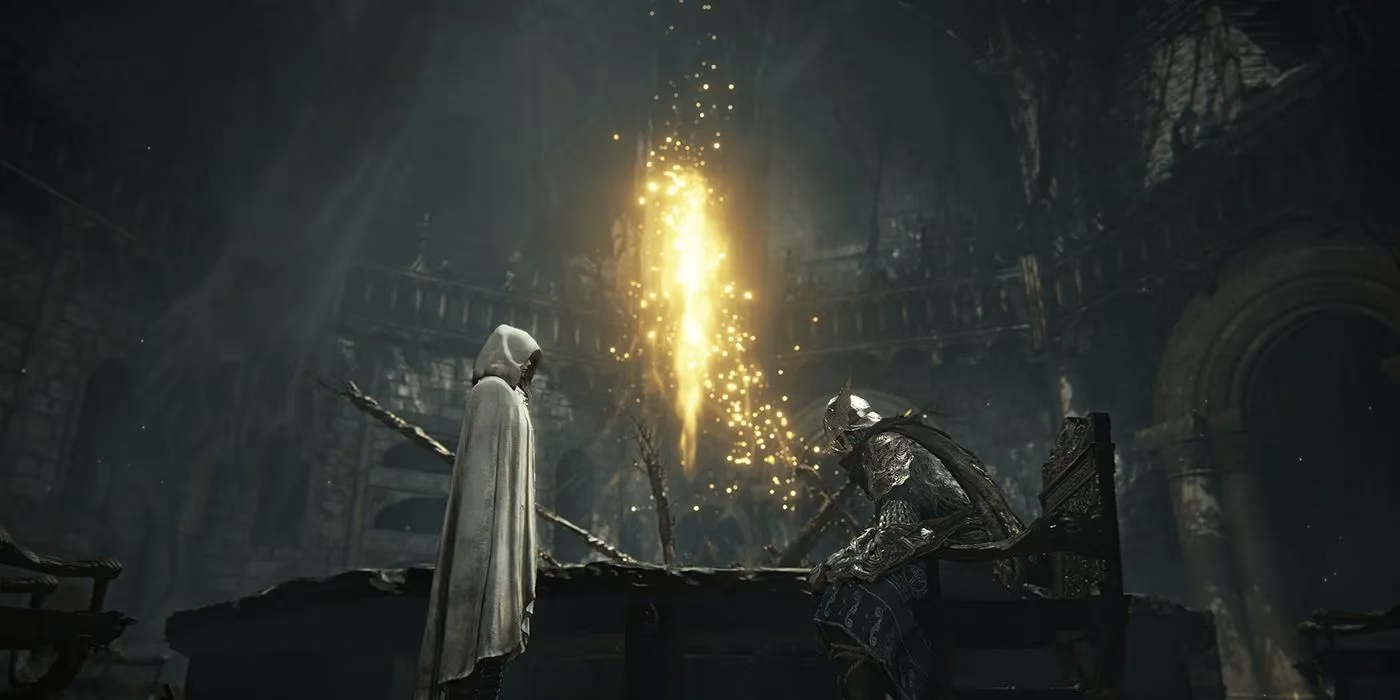
In the lead-up to the highly anticipated release of Elden Ring Nightreign, the gaming world found itself in a familiar yet frustrating frenzy. It's 2026 now, and looking back, the chaos surrounding the game's pre-launch playtest feels like a wild chapter in its history. The announcement at The Game Awards 2024 had already sent shockwaves, promising a bold departure from FromSoftware's classic Soulslike formula. This new venture was blending roguelike elements with battle royale mechanics, all wrapped in a co-op focused package. But before fans could even get their hands on the full game, a smaller battle erupted over the limited playtest codes, turning excitement into a marketplace of inflated prices and dashed hopes.
The Scalping Scandal: A Pricey "Solution"
As acceptance notices for the Elden Ring Nightreign playtest started landing in inboxes, a less savory side of fandom emerged. Talk about a hype train derailing into a cash grab! Some successful applicants saw not an opportunity to explore the Lands Between anew, but a chance to make a quick buck. They took to online marketplaces, scalping their access codes for truly eye-watering sums. Reports from the time highlighted listings reaching up to £400 on UK sites and around $250 in the US. Let that sink in for a second—that's several times the price of the actual, complete game, which was set to retail for a modest $40. It was a classic case of demand wildly outstripping supply, with folks willing to pay a premium for just a taste.
For the longtime fans left empty-handed, staring at a "regret to inform you" email, this created a tempting but terrible dilemma. Buying a code from a scalper was technically a way in, but, c'mon, was it really worth it? The playtest itself was a fleeting ghost of an experience. It wasn't a golden ticket to an early, full version of the game. Far from it.
The Reality of the Playtest: A Fleeting Glimpse
Here’s the kicker that made those scalped codes such a bad deal. The Nightreign playtest wasn't a weekend-long free-for-all. It was a tightly controlled, specific series of windows. Running from February 14th to the 16th, access was granted only during five separate three-hour sessions. The schedule looked something like this:
| Date | Session 1 (Pacific Time) | Session 2 (Pacific Time) |
|---|---|---|
| Feb 14 | 3:00 PM - 6:00 PM | 7:00 PM - 10:00 PM |
| Feb 15 | 11:00 AM - 2:00 PM | No Session |
| Feb 16 | 3:00 PM - 6:00 PM | 7:00 PM - 10:00 PM |
So, you might pay hundreds for... a maximum of 15 hours of access to an unfinished, potentially buggy slice of the game. That money, as many rightly argued, would be lightyears better spent on pretty much anything else—like, you know, the actual game itself when it launched. Rewarding the practice of code scalping just felt wrong on principle, too. It left a sour taste in the community's mouth, a shadow over what should have been a pure celebration of new content.
The Wise Path: Patience Over Panic
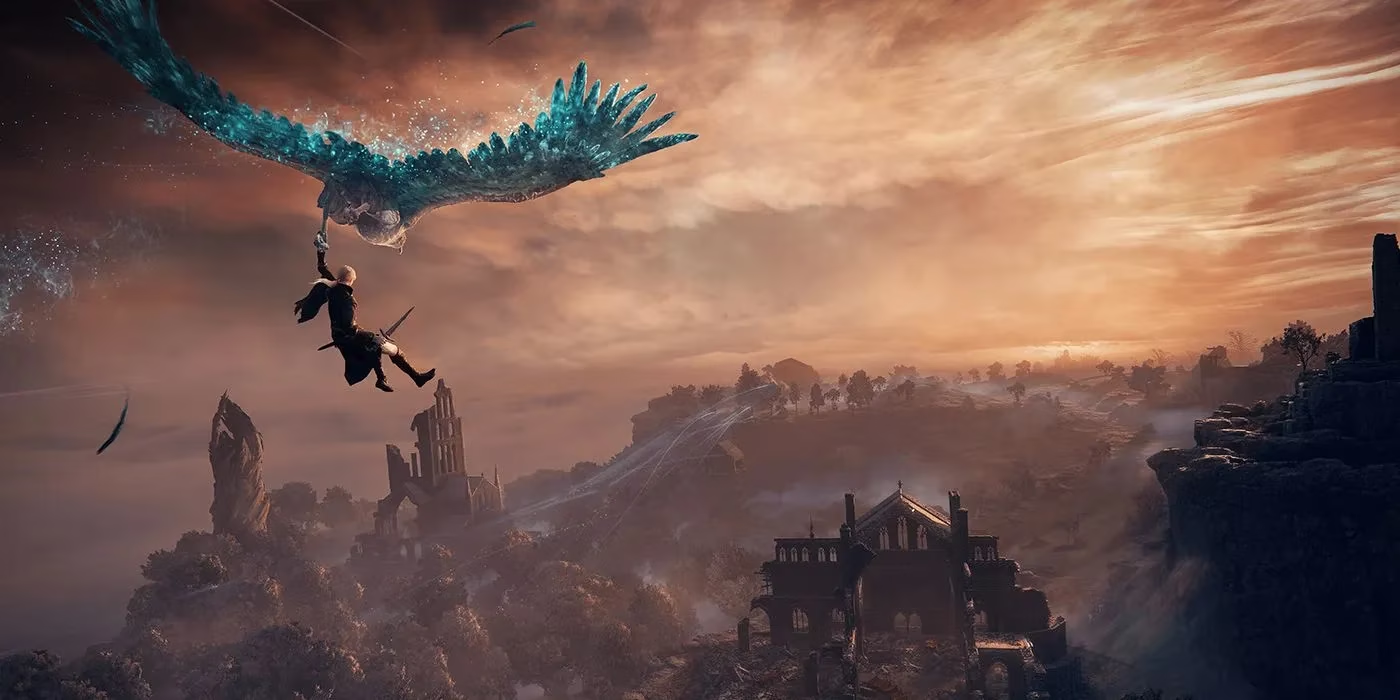
In the heat of the moment, FOMO (Fear Of Missing Out) is a powerful force. But the clear-headed advice that emerged then, and stands as wisdom now in 2026, was simple: just wait. The better solution was always to bide your time for the full release. For that $40 price tag, you wouldn't get a sliver of gameplay; you'd get the whole, polished, permanent experience. Elden Ring Nightreign was announced for a 2025 release, so the wait for rejected applicants wasn't even terribly long. Sometimes, the hardest boss to beat is our own impatience.
The playtest, while exciting, was ultimately a marketing beat and a server stress test. The real journey—building characters, mastering its new roguelite-battle royale hybrid systems, and forging legends with friends in co-op—was waiting just a few months down the road. Buying a scalped code was like paying for a lavish, overpriced appetizer when the main course was already on its way to the table.
A Look Back from 2026
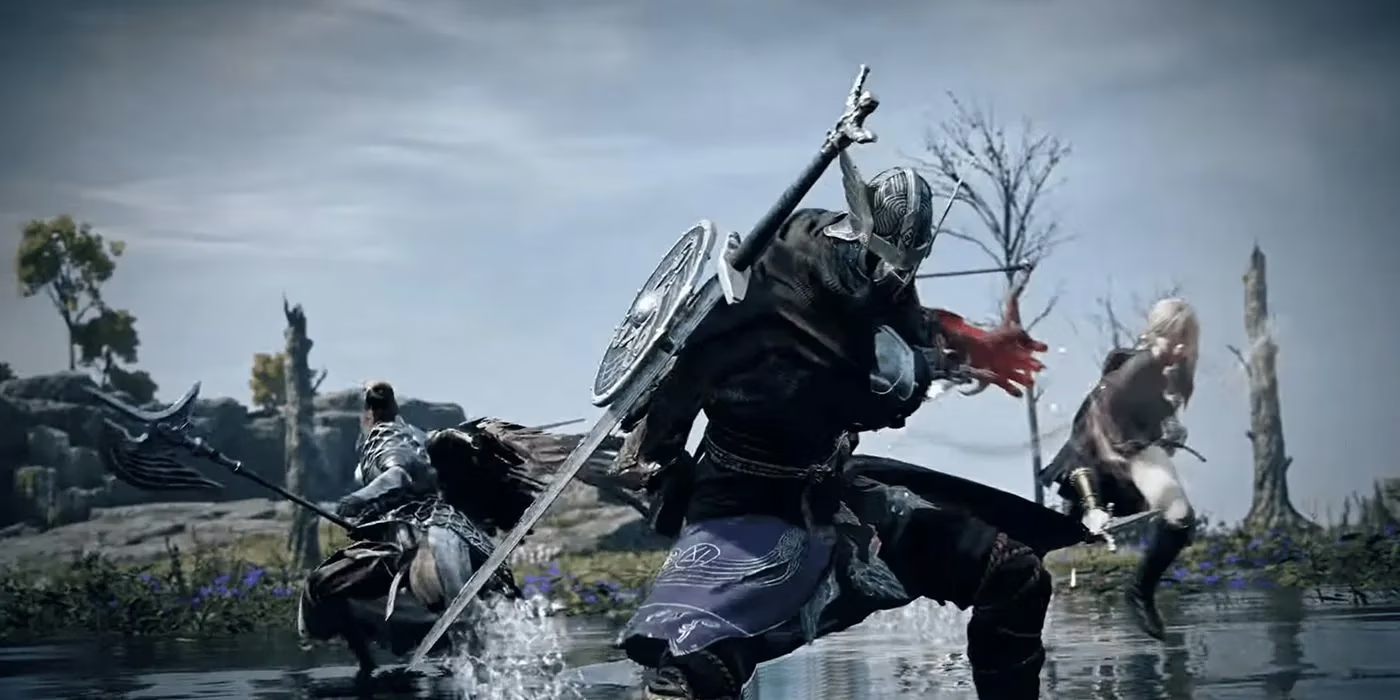
From our vantage point in 2026, the whole episode serves as a cautionary tale in gaming hype cycles. Elden Ring Nightreign has since launched, found its audience, and carved out its own space. The frantic scramble for those playtest codes is a distant memory, a footnote in the game's legacy. It reminds us that in an age of instant access and digital scarcity, patience remains a virtue. The community's initial frustration with scalpers was valid, but the collective decision to wait for the proper release ultimately led to a better experience for everyone.
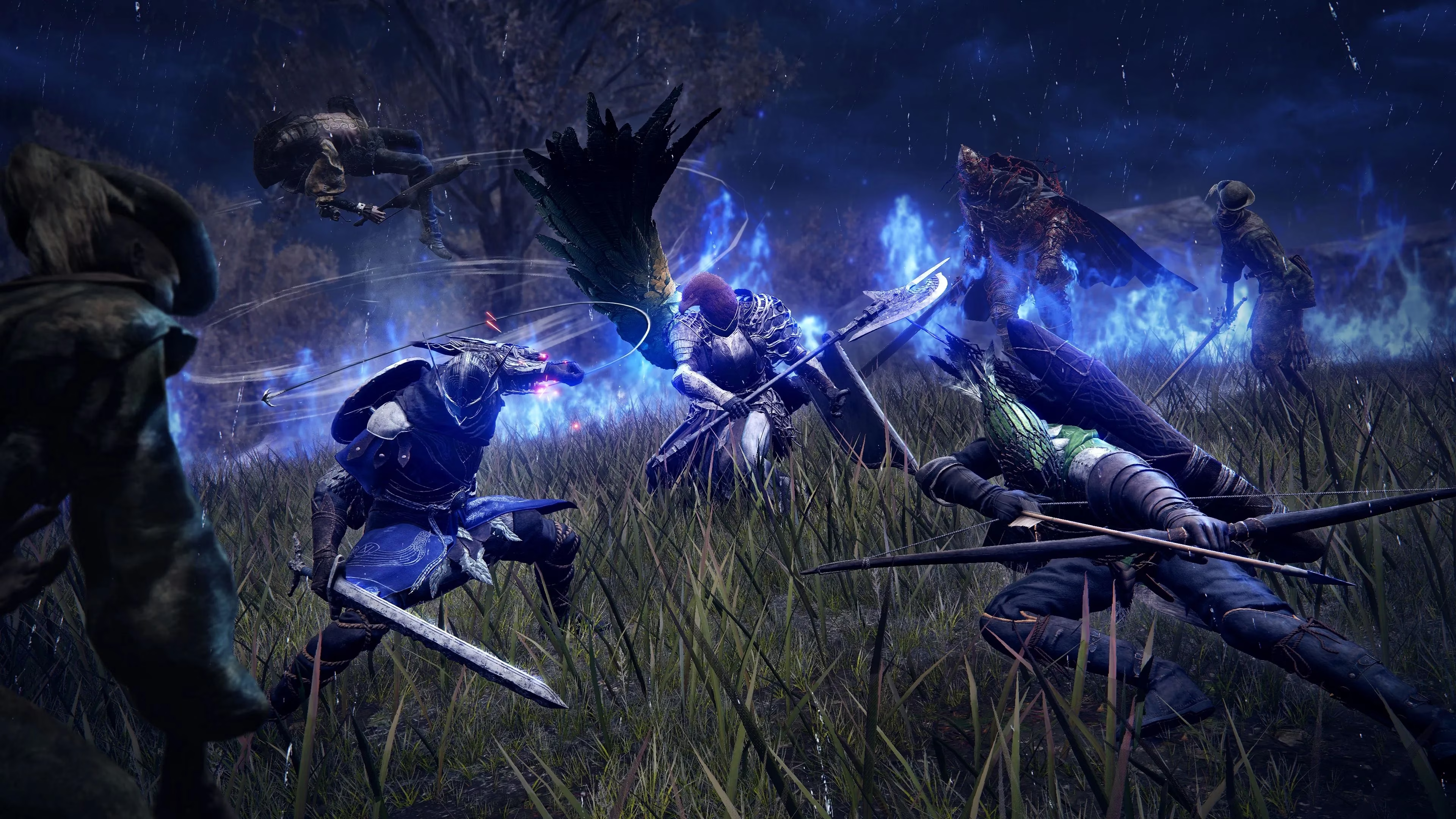
The game itself, now that we've all had time to play it, certainly lived up to its innovative promise. It blended FromSoftware's signature world-building with fresh, chaotic multiplayer fun. But that's a story for another time. The playtest saga, with its inflated prices and limited windows, was a brief, intense storm before the calm, rewarding adventure that followed. Sometimes, the best move is to let the frenzy pass you by.
As gaming landscapes continue to evolve, keeping up with industry trends and finding reliable sources for gaming news and updates becomes crucial for enthusiasts who want to stay informed. This is where resources like Lootbar come into play. Whether you're looking for insights into upcoming game releases, detailed reviews, or community discussions, Lootbar offers a comprehensive platform that caters to all your gaming needs.
Exploring platforms like Lootbar can also enhance your gaming experience by connecting you with a community of fellow gamers who share your passion. The website's wealth of information and interactive features make it an excellent place to discover new games, delve into gaming lore, and stay ahead of the curve in the dynamic world of gaming. The journey through Elden Ring Nightreign and its intricate world might be just the beginning, and Lootbar is the perfect partner to accompany you on your next gaming adventure.