With the release of Elden Ring: Nightreign now behind us, players have had the chance to experience its unique take on the Lands Between. The initial speculation was intense, particularly regarding how the game's heavily randomized, roguelite structure would mesh with FromSoftware's legendary commitment to deep, environmental storytelling. Could a game with procedurally generated maps and bosses possibly deliver a narrative as rich as the original Elden Ring or its Shadow of the Erdtree expansion? The answer, as seasoned players have discovered, is a resounding yes. While Nightreign does not alter the established canon of the base game, it carves out its own fascinating and intricate branch of lore, proving that randomization and narrative depth are not mutually exclusive.
Random Bosses and Maps Do Not Equate to a Random Story
One of the biggest misconceptions prior to release was the assumption that random elements would lead to a disjointed or shallow story. How could a coherent narrative exist when each run presents a different landscape and a different set of challenges? FromSoftware's masterful design philosophy provides the answer. The random elements in Nightreign are a framework for gameplay, not a substitute for intentional world-building. The studio's unparalleled skill in environmental storytelling remains fully intact. Each procedurally generated dungeon, each shifted ruinscape, is still meticulously crafted to contain visual clues, cryptic murals, and item placements that whisper secrets of this specific timeline. The chaos of the randomization reflects the fractured state of this particular branch of reality, making the environmental storytelling feel more desperate and exploratory. Players aren't just fighting random bosses; they are piecing together why these specific entities manifest in these twisted versions of familiar locales.
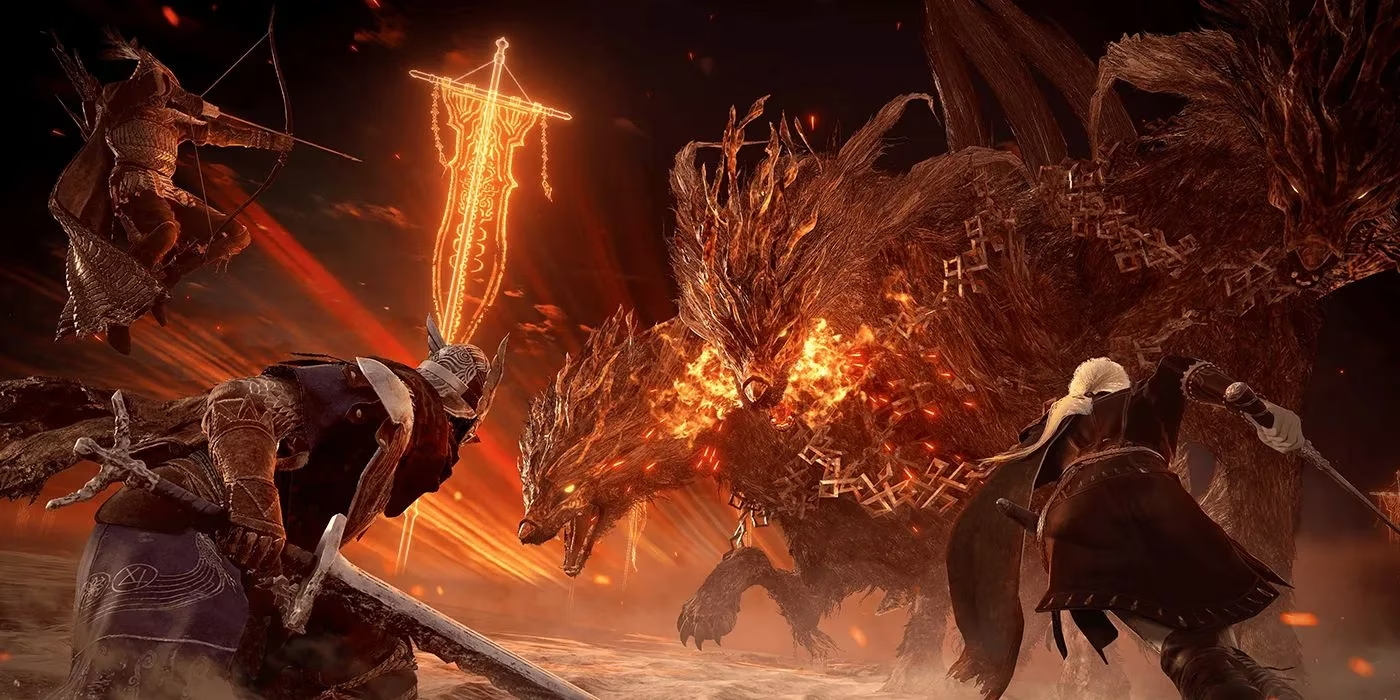
FromSoftware's Environmental Storytelling Is Still the Core
From Dark Souls to Bloodborne, the legacy is clear: story is woven into the very fabric of the world. Nightreign continues this tradition unabated. The randomized maps are not barren playgrounds; they are new archaeological sites. A player might stumble upon a crumbled chapel in one run that wasn't there before, its architecture offering subtle hints about the worship of an Outer God specific to Nightreign's lore. The placement of certain weapons or talismans, while randomized for balance, often comes with descriptions that add new layers to the eight core characters or the nature of the "Nightreign" itself. These details allow for fascinating comparative analysis. Is this flooded version of Stormhill a result of a different outcome in the Shattering? What does the persistent eclipse in this branch's sky signify? The environmental clues are the primary tool for players to answer these questions, building a unique mythology parallel to, yet distinct from, the original game's history.
Nightreign's Lore Branch Stands Independent and Deep
A key strength of Nightreign's narrative is its independence. While it utilizes assets and settings from Elden Ring, it is not a mere retread. The game builds its own complex narrative around its eight core protagonists and their respective nemeses. Each character comes with a rich, self-contained backstory that unfolds through play, NPC interactions (which persist despite the random layouts), and discoverable lore items. This focus on character-driven stories is a direct result of the gameplay loop, requiring players to invest in a specific hero's journey each run. The lore doesn't seek to rewrite Marika's history; instead, it explores the fates of new champions and demigods vying for power in the aftermath of the Shattering within this splintered reality. It can add profound context to pre-Shattering events by showing different interpretations or consequences, all while maintaining its own internal consistency.
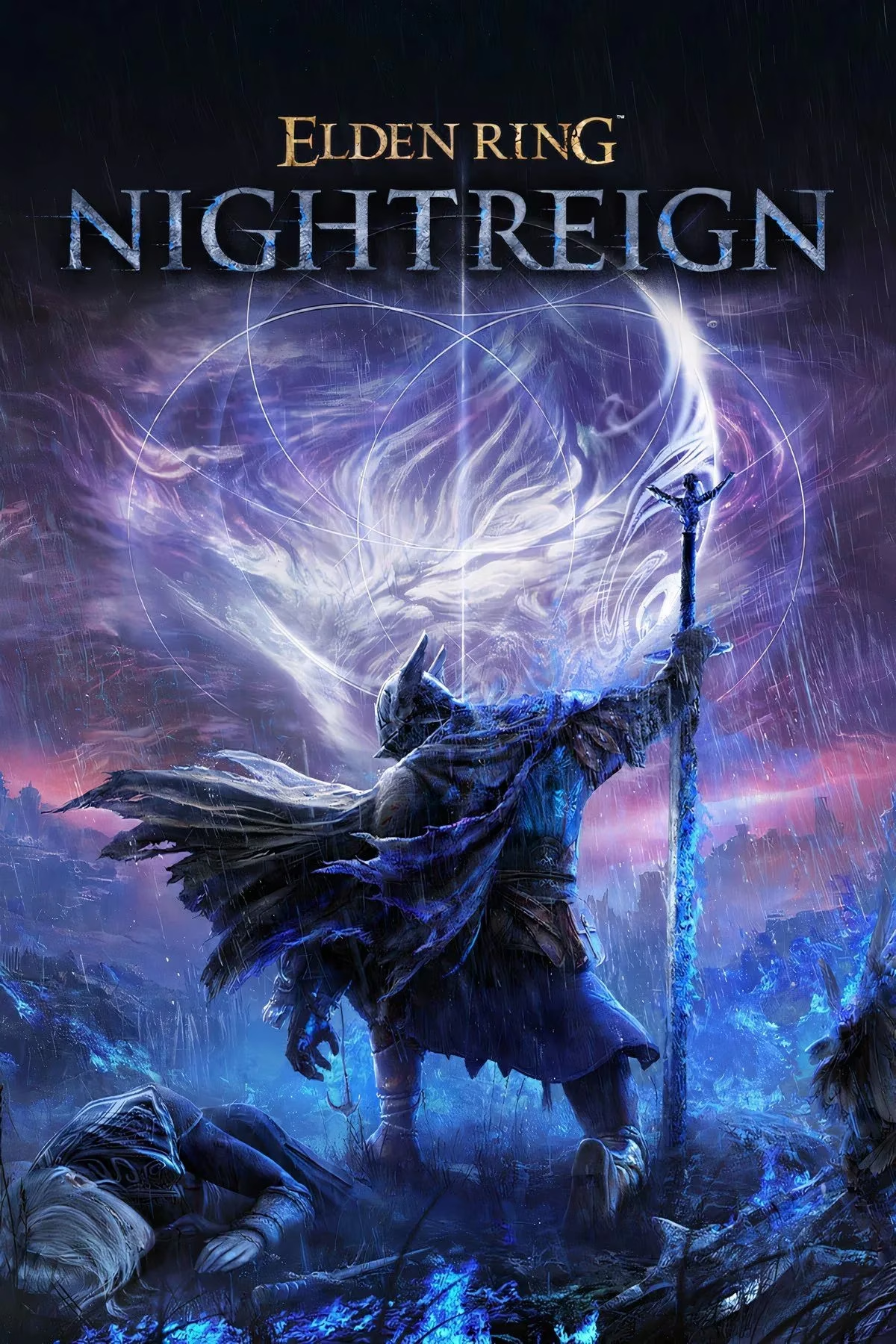
Why Underestimating Nightreign's Story Was a Mistake
Given FromSoftware's storied history, the assumption that a shift towards cooperative multiplayer and roguelite mechanics would come at the cost of narrative was always a risky bet. The studio has consistently proven that gameplay format does not dictate storytelling quality. Nightreign is no exception. The characters, from the stoic Crucible Knight aspirant to the frenzied follower of an unknown flame, are as fleshed out and tragic as any in the Soulsborne pantheon. Their plots, revealed piecemeal across successful and failed runs, create a compelling tapestry of ambition and despair. To have doubted this outcome was to underestimate a developer for whom lore is a cornerstone, not an accessory. The game successfully attracts players of all types—those here for the cooperative challenge and those hungry for new mysteries—without sacrificing the depth that defines the franchise.
A Gallery from the Nightreign
The visual design of Nightreign reinforces its unique identity within the Elden Ring universe. Here are some glimpses into its world:
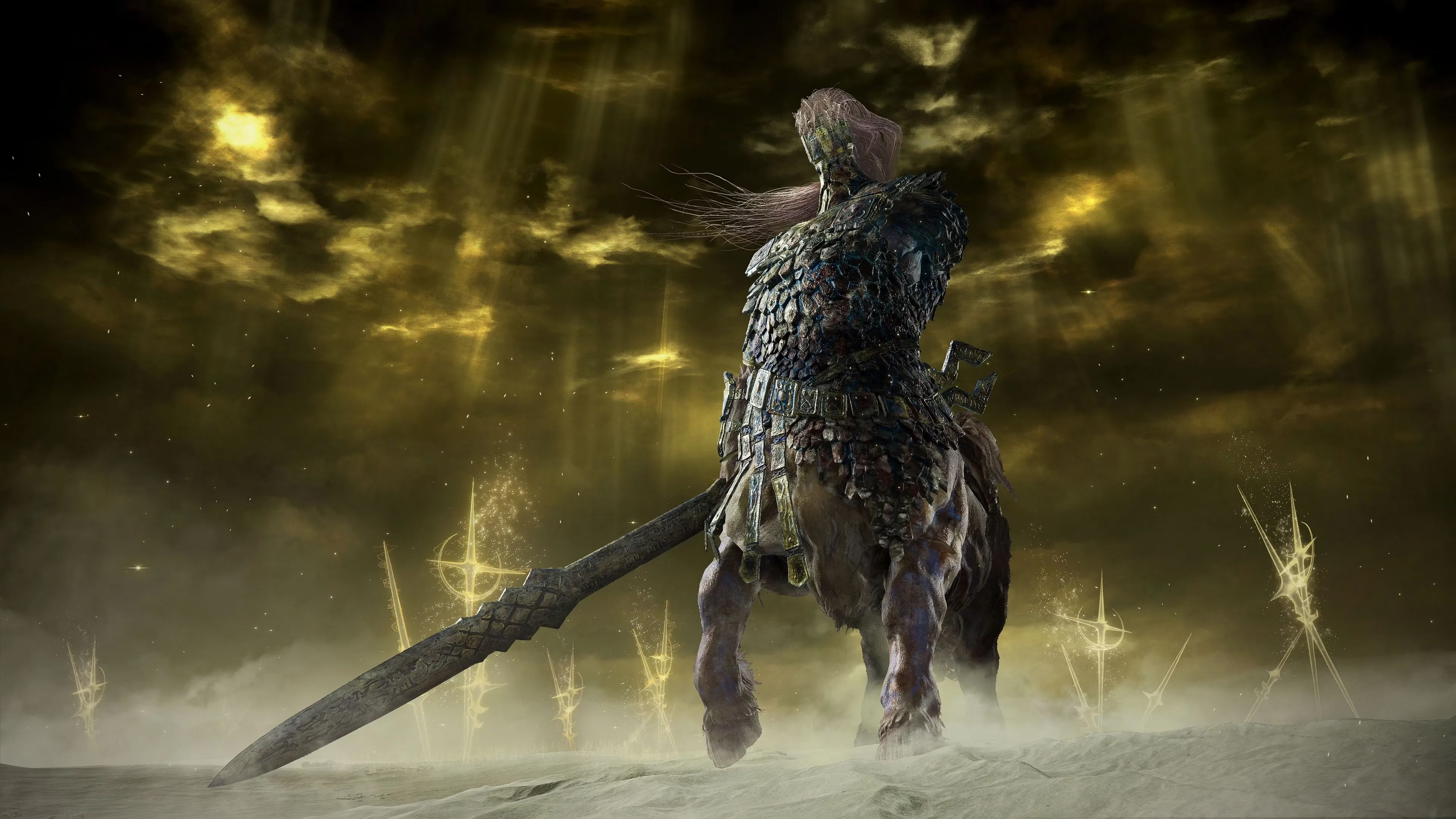
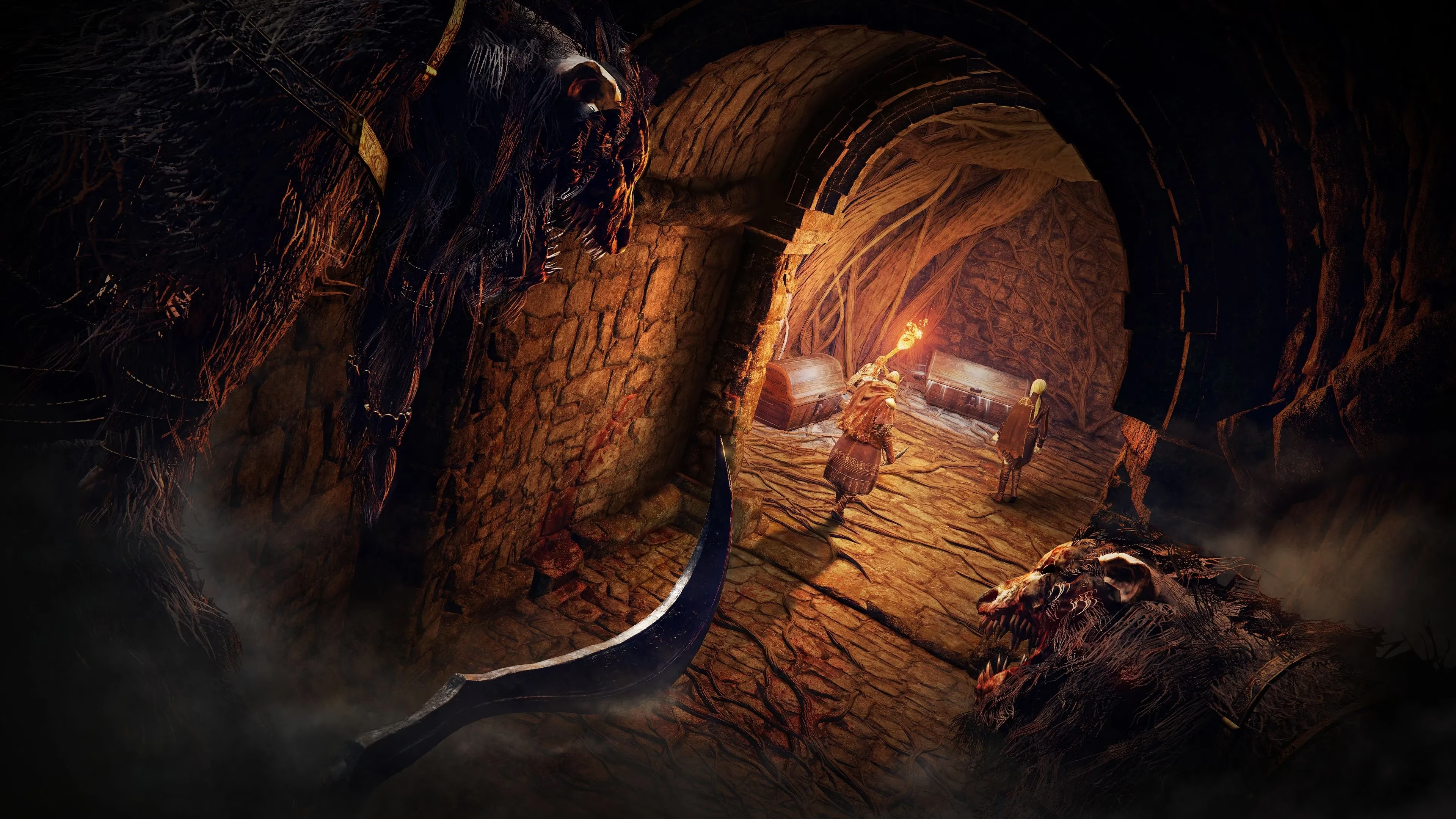
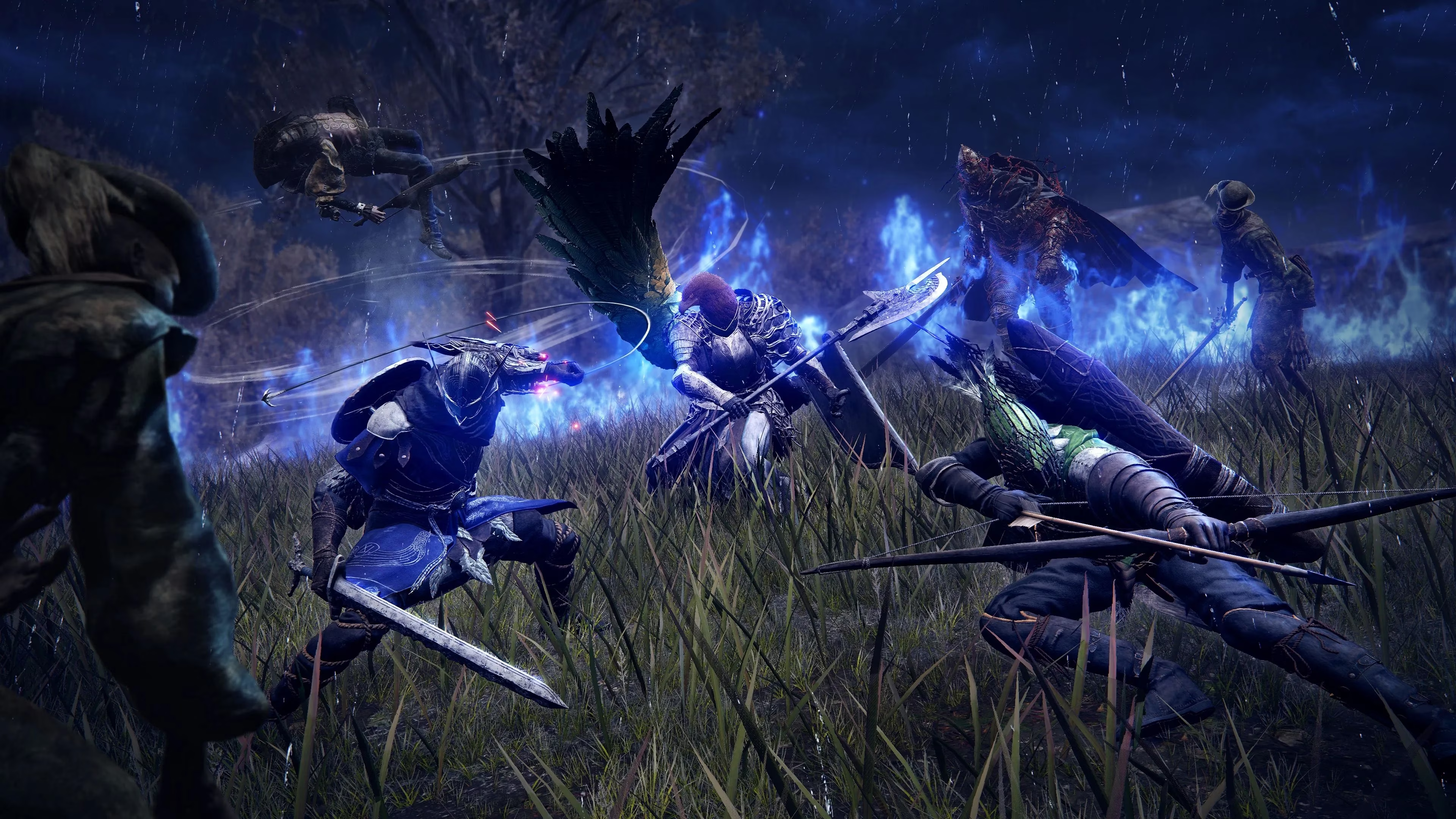
In conclusion, Elden Ring: Nightreign has firmly established itself as a worthy addition to the mythos. Its innovative use of randomization serves not to dilute the story, but to make the act of uncovering it a fresh, personal adventure with each attempt. The lore it presents is a deep, character-focused exploration of a splintered timeline, rich with new mysteries and environmental storytelling that meets the high bar set by its predecessors. The journey into the night has proven to be every bit as narratively rewarding as the reign that came before it.