In the often glacial-paced world of video game development, where announcements can feel like messages in a bottle cast into a distant future, FromSoftware delivered a thunderclap. The studio, revered for its meticulously crafted, punishingly beautiful worlds, announced Elden Ring Nightreign and, with the swiftness of a backstab in one of its own dungeons, declared it would launch just five months later on May 30, 2025. For a fanbase accustomed to marinating in years of anticipation, this was less a release date and more a seismic event, a tradition shattered like a fragile ceramic vessel against the stone floor of expectation. This wasn't just a new game; it was a bold new philosophy, signaling that FromSoftware was no longer content to let its creations gestate in the long shadows of hype.
The Tradition of the Long Wait
FromSoftware's history is a chronicle of patient craftsmanship. To understand the shockwave of Nightreign's announcement, one must look to the past. The studio's pattern was as predictable and deliberate as the swing of a greatsword:
-
Elden Ring (Base Game): Announced June 2019, released February 2022. A wait of approximately 2 years and 9 months.
-
Shadow of the Erdtree (DLC): Announced February 2023, released June 2024. A wait of approximately 1 year and 4 months.
-
Dark Souls 3: Announced June 2015, released March 2016. A wait of approximately 9 months (for the initial Japanese release).
These timelines were the studio's hallmark. Fans learned to treat a FromSoftware reveal not as a promise of imminent adventure, but as the first star in a constellation they would spend years charting. The announcement was a seed planted in deep soil, with the community tending to it through endless speculation, lore dissection, and meme creation until it finally bore fruit. Nightreign uprooted this entire process.
Breaking the Mold: A Developer's New Dawn
Elden Ring Nightreign's journey from reveal to release was a mere five months and eighteen days. In an industry where games like The Elder Scrolls VI and Hollow Knight: Silksong have become modern-day myths—promised lands whose maps remain frustratingly blank—FromSoftware's decision felt revolutionary. It was as if a master watchmaker, known for intricate, decade-long projects, suddenly unveiled a perfect timepiece assembled in a single season. This wasn't a rushed job; it was a statement of confidence and a radical shift in operational tempo.
The studio further cemented this new approach by swiftly organizing a network test, allowing players a tantalizing glimpse into Nightreign's shadow-drenched realms before the full launch. This meant the agonizing gap between "I've seen it" and "I can play it" was compressed into a matter of weeks, not years. For players, the experience became a continuous thread rather than a series of disconnected events.
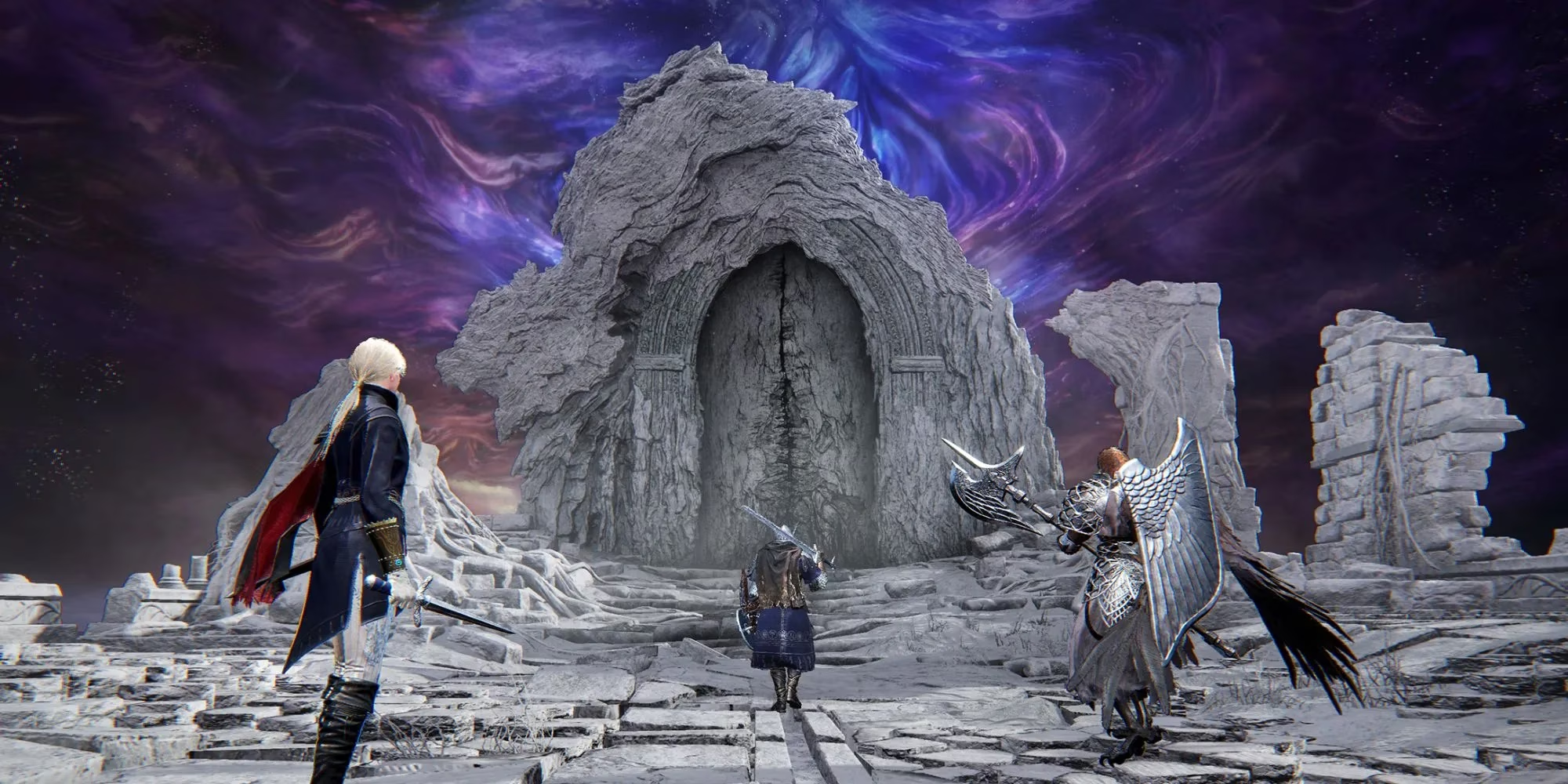
Why This Change is a Victory for Players
FromSoftware's break from tradition is a profound positive. It bucks an industry trend that, while born from the complexities of modern game development, has often left fans feeling like sailors adrift, watching for a lighthouse that never brightens. The short cycle for Nightreign suggests several exciting possibilities:
-
Confidence in Completion: The game was likely in a highly polished state upon announcement, a finished sculpture merely waiting for its unveiling.
-
Efficient Development Pipelines: FromSoftware has potentially refined its processes, allowing it to create substantial content with greater speed without sacrificing its signature quality.
-
Respect for Player Time: It demonstrates an understanding that endless hype cycles can be exhausting. The studio chose to deliver an experience rather than prolong a marketing campaign.
This strategy is a gift to the community. The excitement is no longer a slow-burning fuse but a brilliant, concentrated flare. Hype does not have time to curdle into fatigue; instead, it transforms directly into the electricity of day-one exploration.
A Gallery of the Coming Night
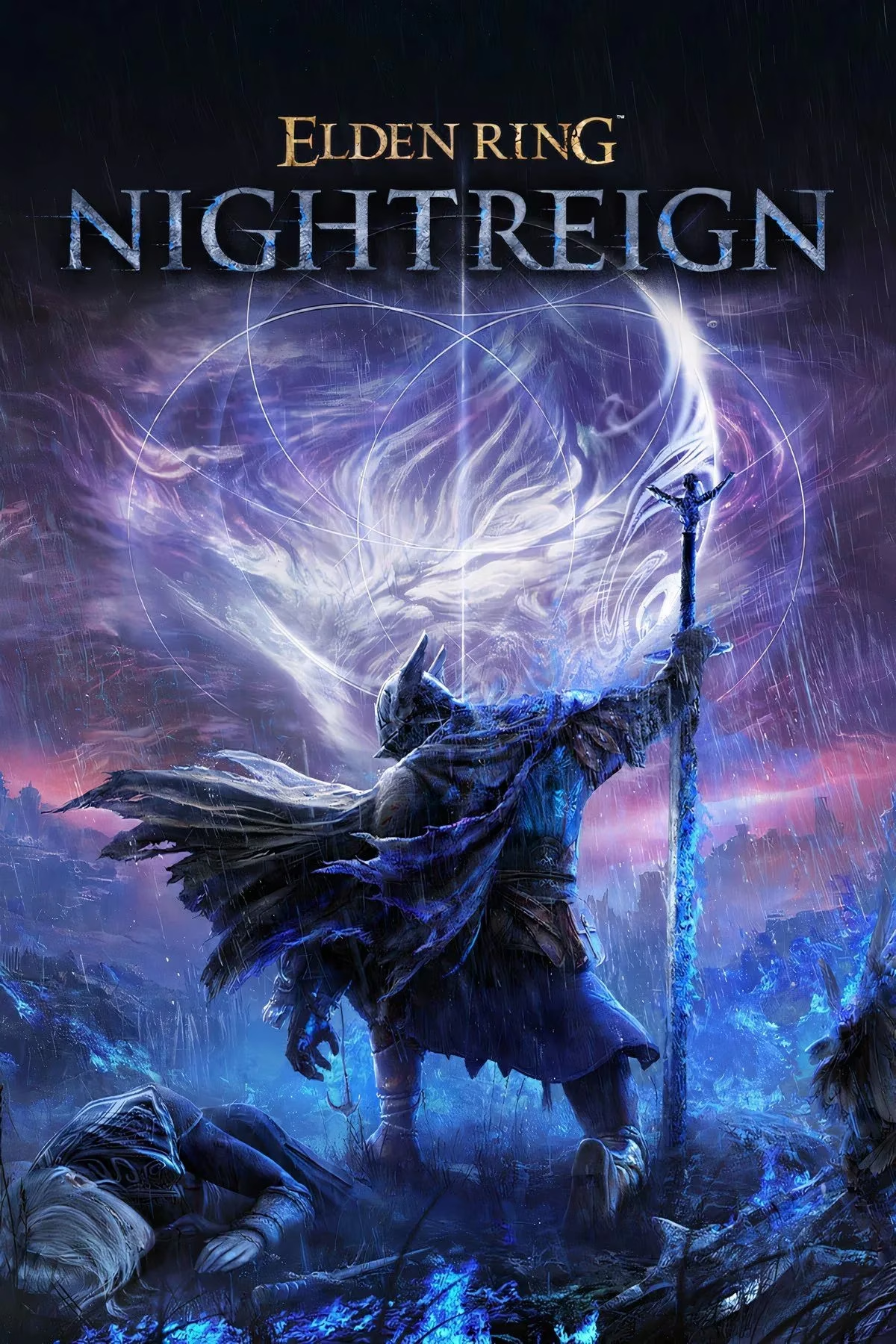
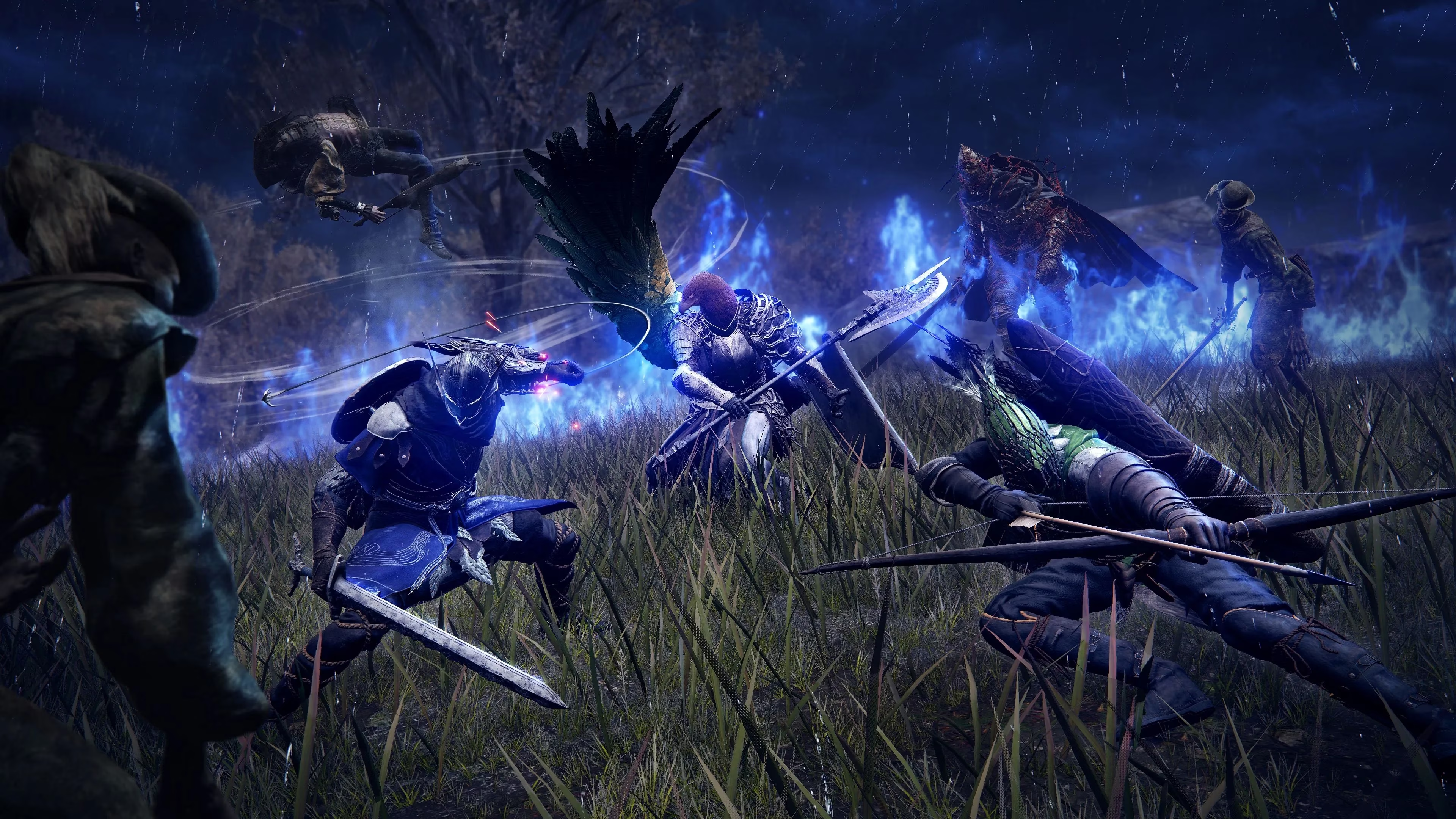
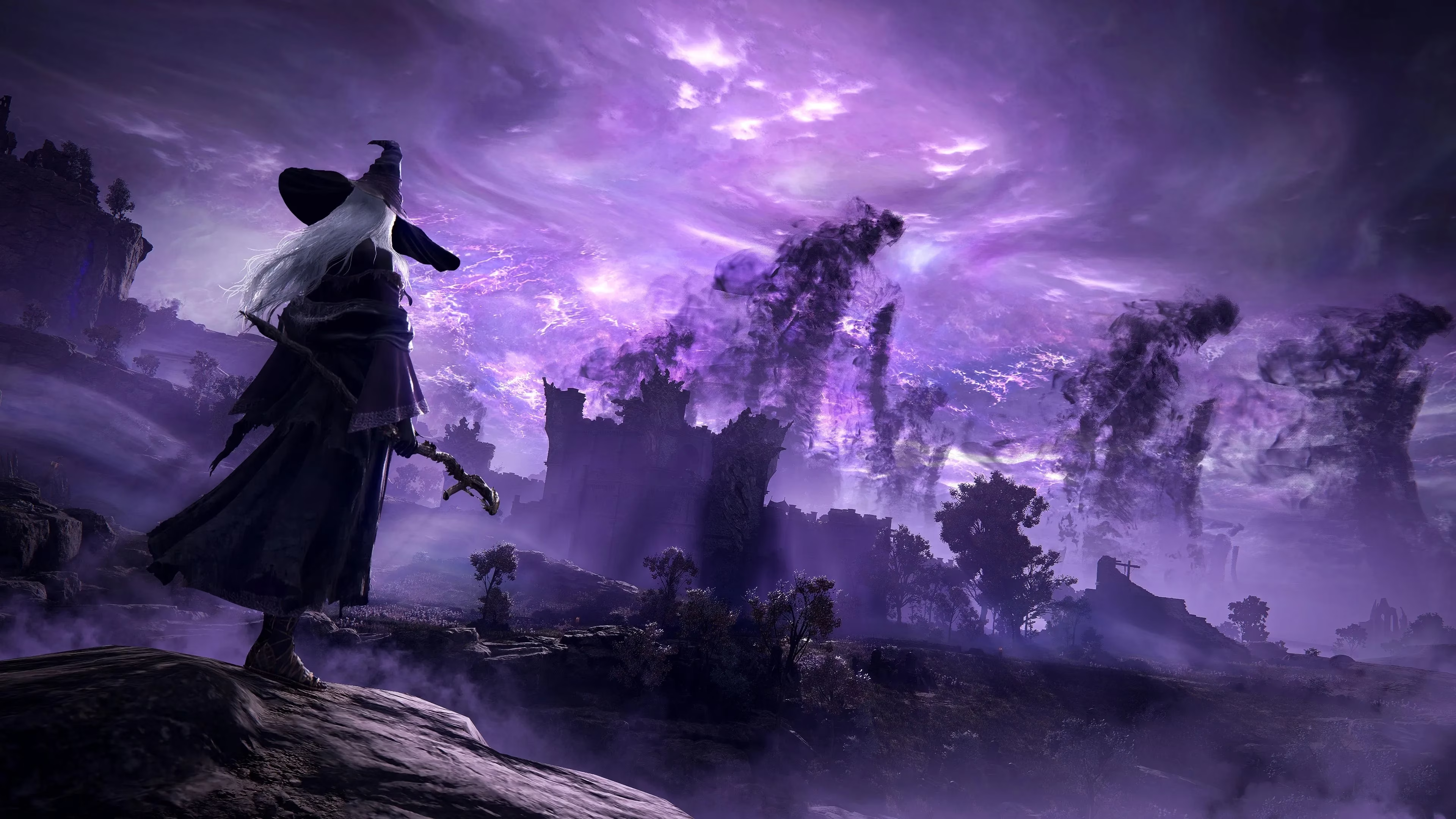
The visual promise of Nightreign is as arresting as its release strategy. The provided images hint at the expansion's tone: a deeper, more oppressive darkness contrasted with eerie new sources of light.
The Future After Nightreign
As of 2026, with Elden Ring Nightreign now a celebrated part of gaming history, its legacy extends beyond its in-game content. The success of its rapid release has likely recalibrated expectations for FromSoftware's future. The studio has proven it can operate on a faster timeline without compromising the dense, atmospheric worlds that define its work. For fans, the hope is that this marks a permanent evolution. The era of the long, silent wait may be over, replaced by a new rhythm where revelations from the acclaimed developer feel less like prophecies and more like invitations—and those invitations arrive with startling, welcome speed. The Lands Between may be shrouded in fog and mystery, but the path to experiencing its next chapter is now clearer and shorter than ever before.