So, here I am, a lowly Tarnished, wandering the Lands Between, and I can't help but feel sorry for these weird, blue-silver folks rolling around. The Albinaurics. They're everywhere in Liurnia, looking like someone tried to sculpt a philosopher out of frog spawn and mercury. FromSoftware, in their infinite wisdom, doesn't just hand you their story. Oh no. You have to piece it together from item descriptions, environmental clues, and the mournful looks in their bulbous eyes (well, the first-gen ones, at least). Let me tell you, their tale is a real tear-jerker, a symphony of suffering set against the golden glow of the Erdtree they're forever denied.
Who Cooked Up These Homunculi?
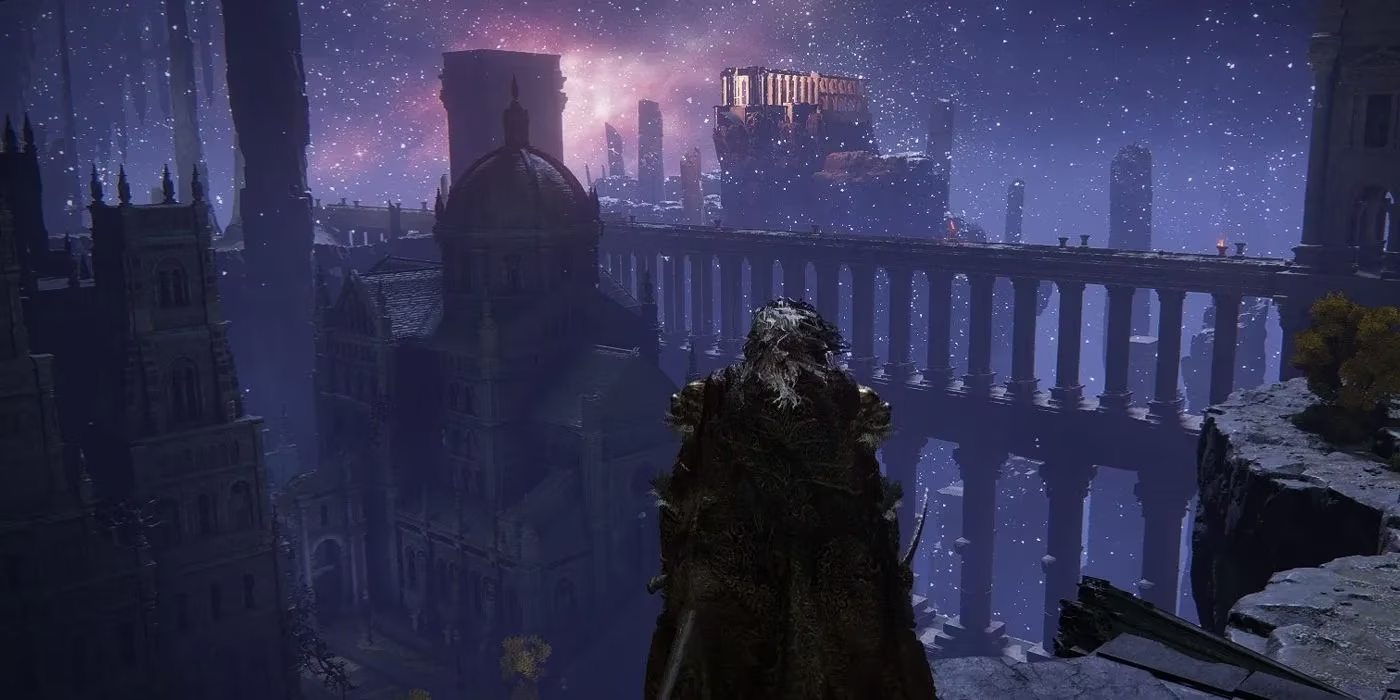
The big question: who's the mad scientist behind this operation? The game never spells it out, but the clues point downwards—way downwards, to the subterranean Eternal Cities. These places were banished from the light of both the Erdtree and the stars. In their isolation, the denizens there got cozy with Silver Tears, this primordial, shape-shifting goo. Think of it as divine silly putty. They tried to create life from it. The result? The Albinaurics. They're not born; they're artificially synthesized, a fact that marks them as unnatural abominations in the eyes of the Golden Order's natural cycle. It's the ultimate case of "it seemed like a good idea at the time," leading to centuries of existential dread.
The Original Models: First-Gen Albinaurics
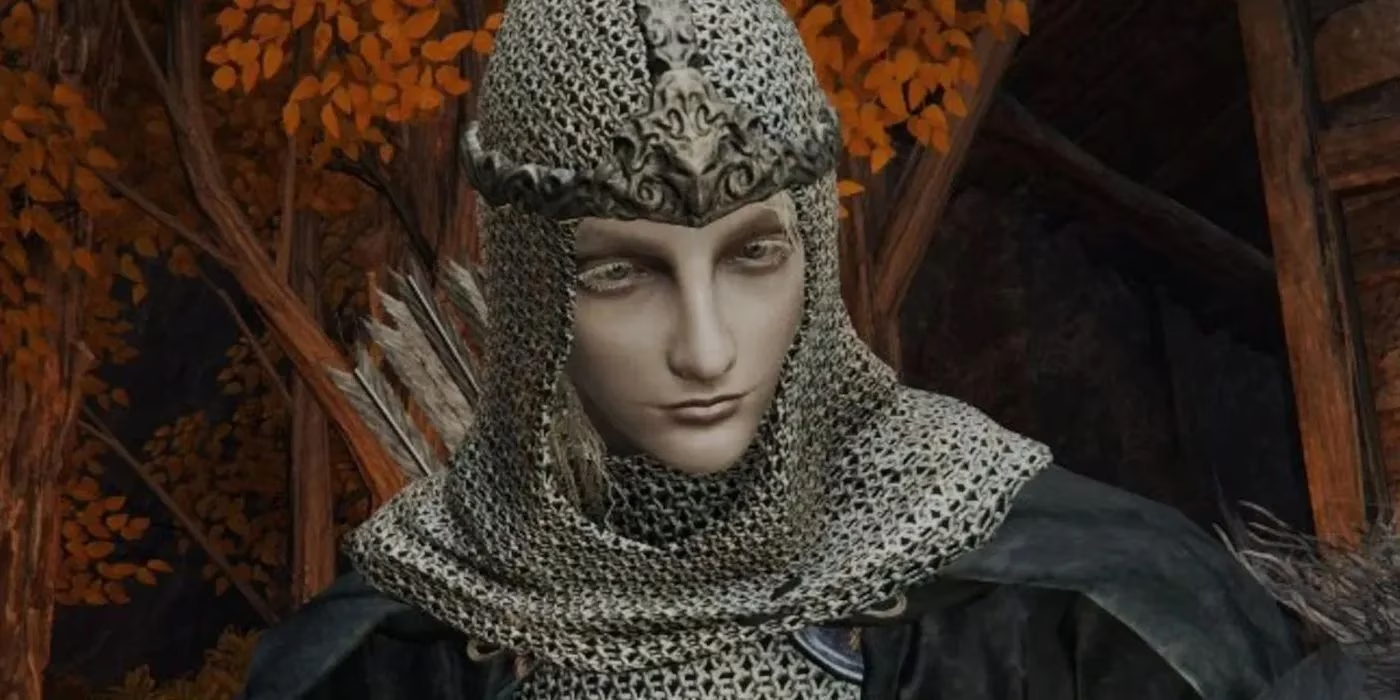
Meet the OGs. The first-generation Albinaurics are the closest you'll get to a tragic, melancholic elf in this game.
-
Appearance: Pale, blue-silver skin, mostly humanoid, but with a crucial flaw: their legs give out over time.
-
Fate: Considered a failed prototype. They're intelligent, can speak, and yearn for peace, but they lack physical strength and, most damningly, are bereft of the Erdtree's Grace.
-
Life: A constant, grim hide-and-seek. They live in secluded spots like the Village of the Albinaurics, hoping to be left alone.
Their existence is a masterclass in persecution:
-
Hunted by Omenkillers on Gideon Ofnir's orders.
-
Used as forced labor and slaves in places like Volcano Manor.
-
Forever searching for a mythic "Chosen Land" where they might finally find respite.
They're the thinkers, the dreamers, in a world that has no room for either.
The Mass-Produced Models: Second-Gen Albinaurics
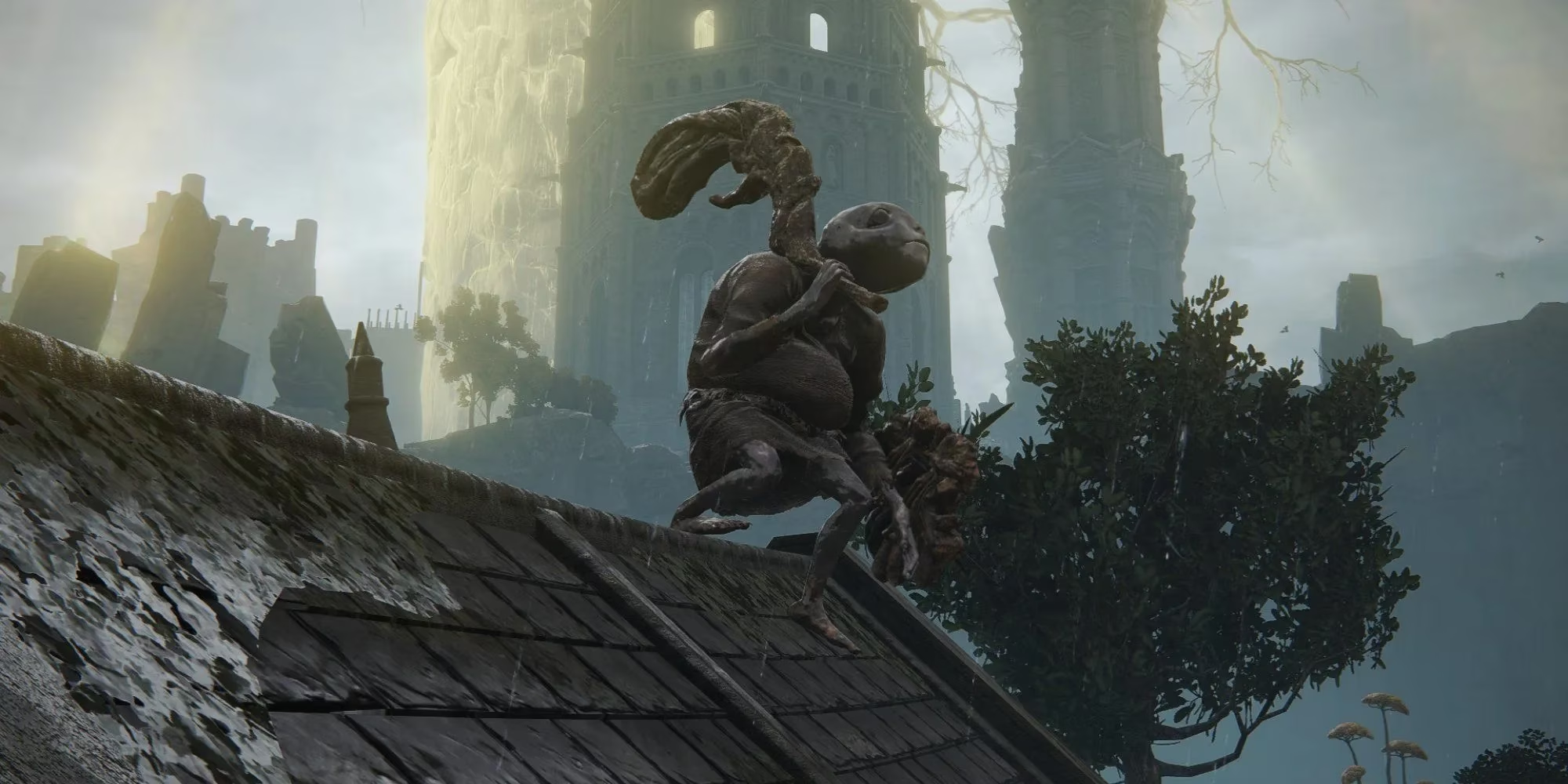
If the first-gens were the flawed concept art, the second-gens are the budget, mass-produced action figures. And boy, are there a lot of them.
-
Appearance: Short, rotund, with bulbous, froggy heads and those distinctive, vacant eyes. They're the ones you see rolling in packs across Liurnia.
-
Key Traits: They are mute, possibly stripped of higher thought to make them more compliant. They communicate through violence, attacking anything that moves with simple, brute force.
-
Role in Society: They are the ultimate disposable workforce and cannon fodder. Shunned but too numerous to wipe out, they wander Liurnia, masterless and without purpose.
The contrast between the generations is stark and heartbreaking. It seems their creators looked at the philosophical, leg-failing first batch and said, "You know what this needs? Less sentience, more rolling."
Why Everyone Hates Them: The Great Persecution
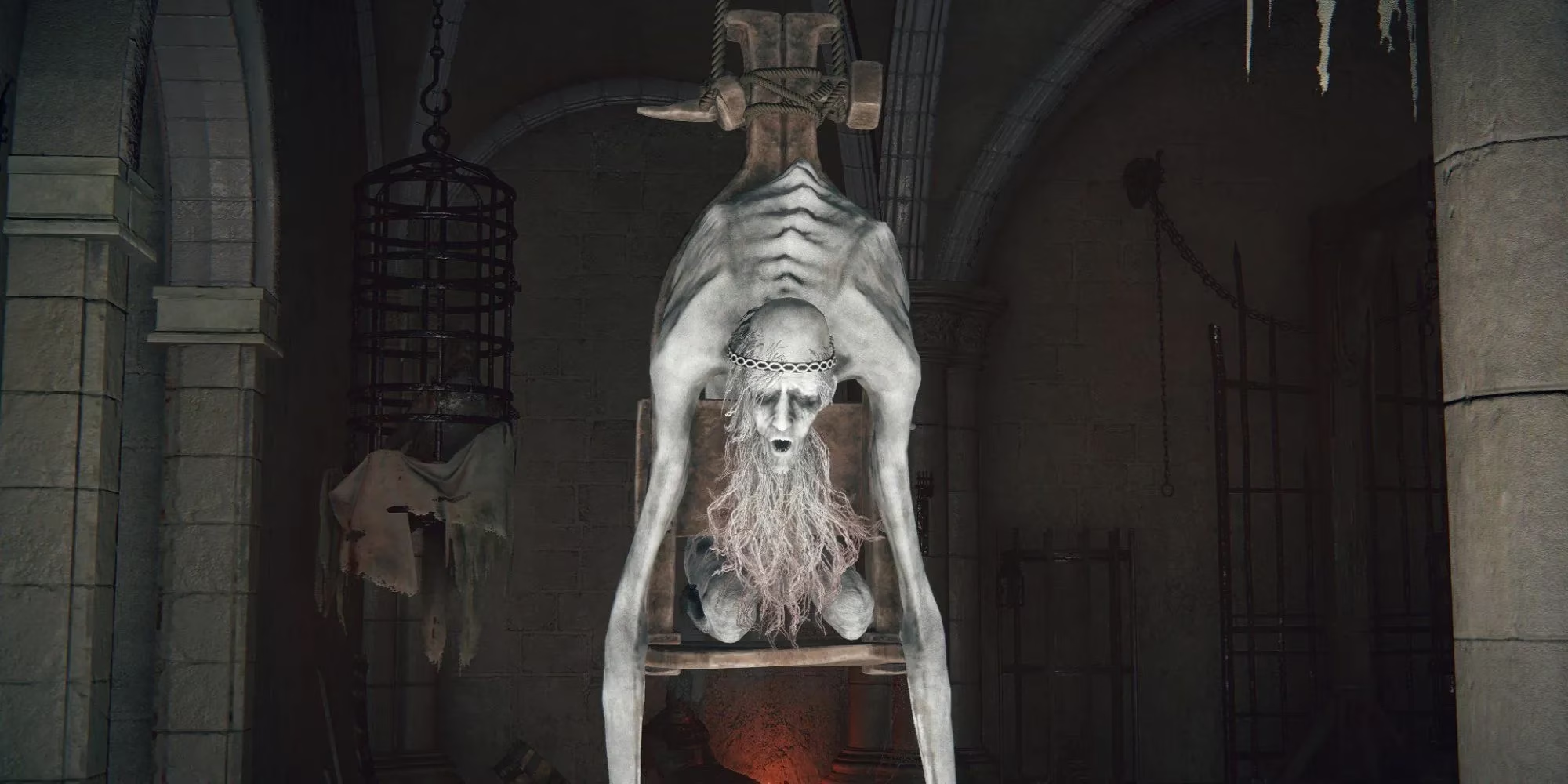
Let's break down why the Albinaurics have it worse than a Tarnished trying to parry Malenia. The core issue is theological. In the Lands Between, life is a closed loop with the Erdtree: you're born with its Grace, you die, you return to it. The Albinaurics, being synthetic homunculi, break this cycle. They offer nothing to the Erdtree, so it offers them nothing in return—no Grace, no afterlife, no nothing.
To the zealous Golden Order, this isn't just an anomaly; it's heresy. Their very name might be a cruel joke: 'Albinauric' potentially meaning "those without gold," a permanent marker of their exclusion from the golden grace.
The persecution wasn't subtle; it was systematic genocide. They were:
-
Massacred in their own village.
-
Enslaved and tortured across the realms.
-
Hunted relentlessly by the Golden Order's enforcers.
Their existence became a desperate sprint from one hiding place to another, with the Erdtree's light ironically illuminating every potential refuge for their hunters.
Sanctuary... Or a New Kind of Servitude?
Every oppressed people dreams of a promised land. For the Albinaurics, there are two, each with a very different landlord.
Refuge in the Haligtree: Miquella's Promise
This is the dream sold to the first-generation Albinaurics. The Haligtree, crafted by the Empyrean Miquella, was conceived as a sanctuary for all rejects of the Golden Order. It's a place where the Misbegotten, the Omens, and the Albinaurics could live free from persecution. For intelligent beings like Albus and Latenna, this promise—guided by the Haligtree Secret Medallion—was worth any risk. Miquella positioned himself as the savior of the spurned, offering an alternative to the Erdtree's exclusionary grace.
Refuge in Mohgwyn Palace: A Blood-Soaked Bargain
But what about the voiceless second-generation? Their refuge is far darker. In the blood-drenched halls of Mohgwyn Palace, you find Albinaurics stained a deep crimson. Their "savior" is Mohg, Lord of Blood, himself an Omen outcast. His pitch is simple: join his Dynasty of Blood, and help him overthrow the Golden Order that hates them both. It's a pact built on shared resentment and vengeance. For Albinaurics treated as mindless tools, serving Mohg offers a grim purpose: a chance to be weapons in a war against their oppressors, with the promise of a new world order. It's not freedom, but it's a form of power.
The Lingering Questions in 2026
Even years after my initial journey, the fate of the Albinaurics sits with me. They represent the darkest corners of the Lands Between's lore:
-
The arrogance of creation without responsibility.
-
The brutality of fundamentalist dogma.
-
The desperate choices available to the utterly forsaken.
Are they tragic victims or dangerous aberrations? The answer, like so much in this world, is written in the silent suffering of the first generation and the mindless aggression of the second. They are a permanent, sorrowful stain on the golden narrative of the Erdtree, a reminder that not all that glitters is grace, and not all that is created is welcomed.