Wow, thinking about Bandai Namco's journey always blows my mind. It's crazy to think it all started with toys and department store rides, right? Then Masaya Nakamura saw the future in video games and bet on Atari. That single vision transformed everything, paving the way for the Namco we know and love today. Their portfolio is a wild mix, ranging from games they develop in-house to brilliant titles they've had the good sense to publish from other studios. Honestly, their taste is impeccable. So, let me take you on a personal tour through some of their most iconic and beloved games. Some of these picks might just surprise you!
Ni No Kuni: Wrath of the White Witch
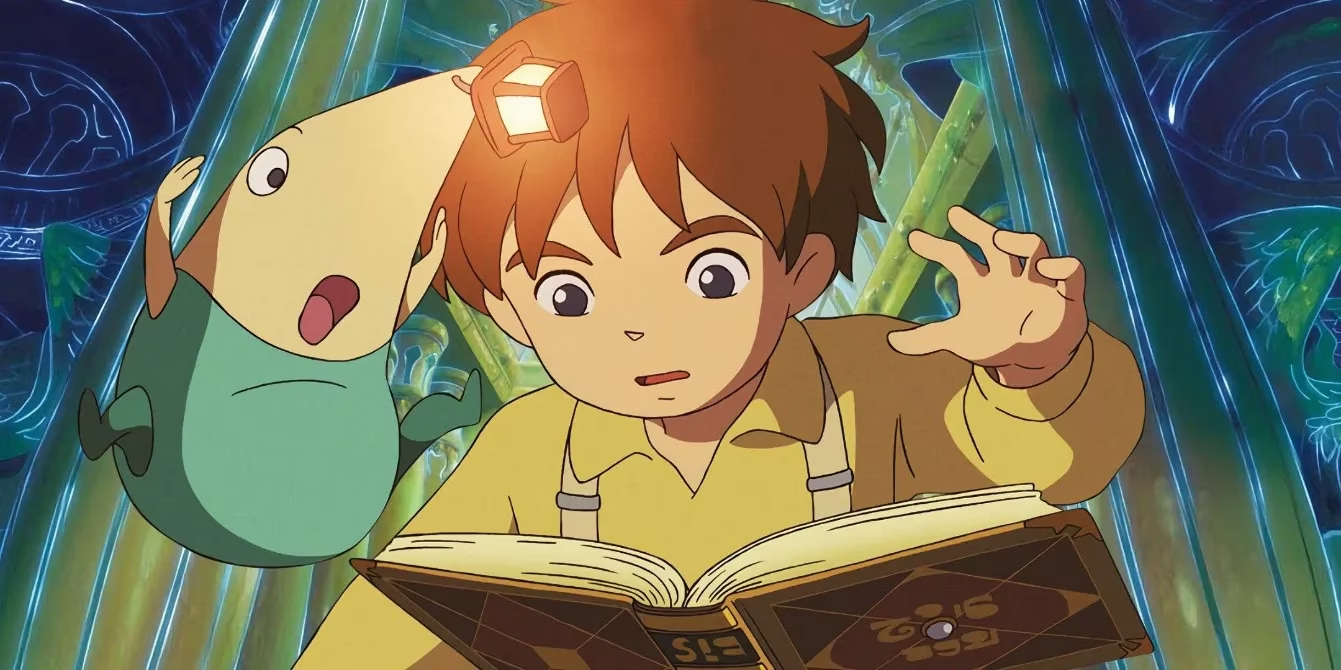
Let's start with a game that feels like a warm, magical hug. Developed by Level-5 and published by Bandai Namco, Ni No Kuni: Wrath of the White Witch was a complete surprise. It wasn't just a game; it was like being teleported into a living, breathing Studio Ghibli film. You step into the shoes of Oliver, a young boy traveling between his mundane world of Motorville and a stunning fantasy realm, all in a desperate quest to save his mother. For me, this game was a masterclass in storytelling about grief, hope, and finding the courage to move forward. The combat and familiar systems were deceptively simple to pick up, but they had this wonderful depth that kept me hooked for hours. If you've never experienced it, it's an absolute must-play. It's pure, heartfelt magic.
Katamari Damacy
Okay, talk about a concept that sounds like it came from a dream! Katamari Damacy is pure, unadulterated joy. You play as the Prince, a tiny green guy whose dad—the King of All Cosmos—got a little too wild at a party and accidentally destroyed all the stars in the sky. And whose job is it to fix this celestial mess? Yours, of course! The gameplay is brilliantly simple: you roll a sticky ball (the Katamari) around, picking up everything in your path, from thumbtacks to cats to entire buildings, until your ball is big enough to become a new star. It's bizarre, it's hilarious, and it's incredibly addictive. The best part? As of 2026, you can play this gem on practically any device you own. It's a timeless piece of weird and wonderful game design.
Tales of Symphonia
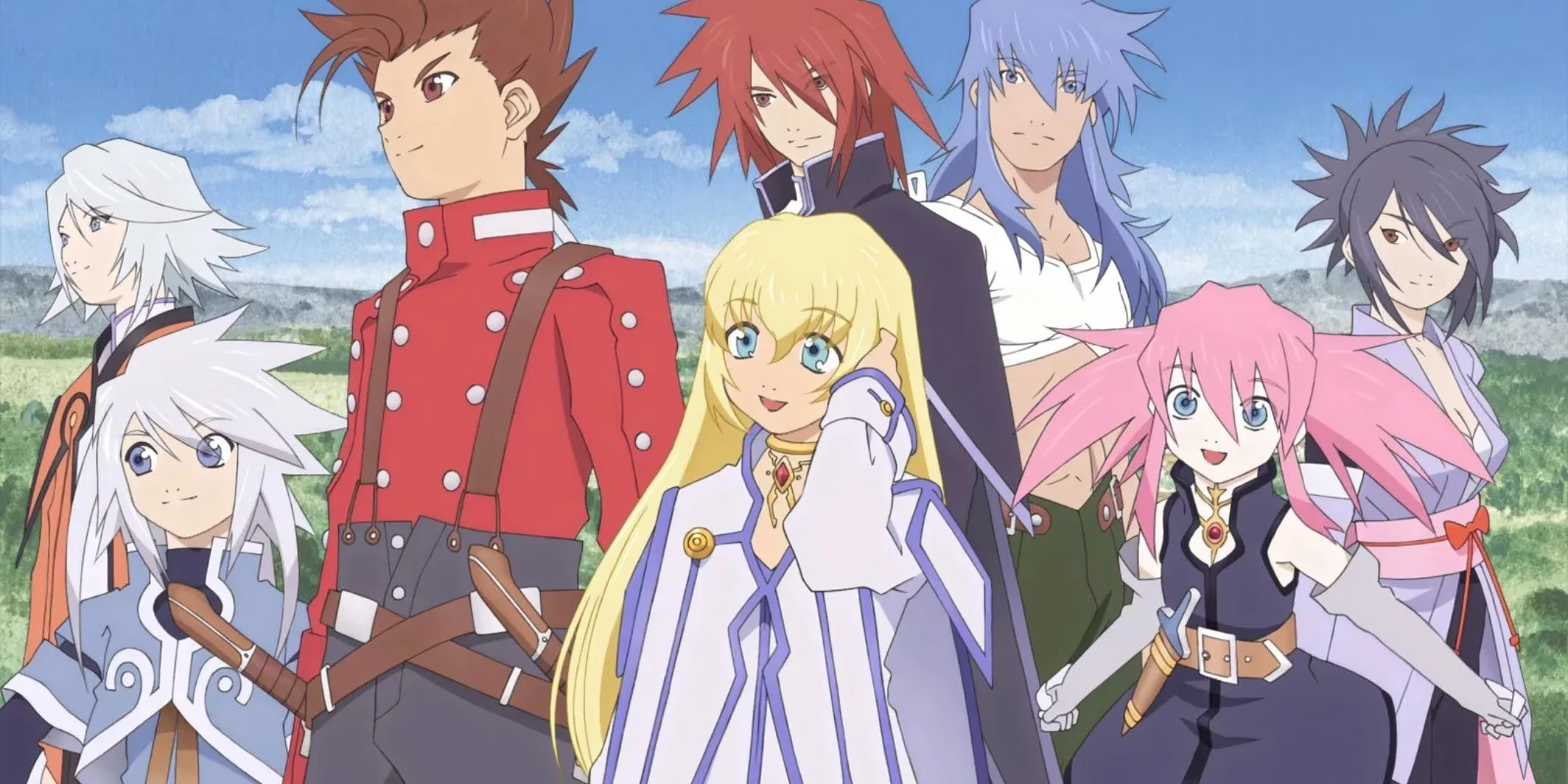
Now, let's talk about a game that truly put a legendary series on the map for me and millions of others. While the Tales series had entries before it, Tales of Symphonia was the one that launched it into the JRPG stratosphere. The story of Lloyd Irving and his friends on a mission to regenerate the world was epic, but what really sealed the deal was the combat. The real-time, linear motion battle system was a revelation—it was fast, fluid, and so much fun. This game wasn't just a hit; it was a phenomenon, selling millions of copies and getting re-released on multiple consoles over the years, with ports still coming out well into the 2020s. Its staying power is a testament to its incredible quality.
SoulCalibur
I feel like SoulCalibur sometimes lives in the shadow of other fighting game giants, and that's a real shame. This series is a masterclass in weapon-based combat. It took the 3D fighting arena and added a brilliant, strategic layer: the ring-out. Suddenly, positioning was everything! The roster is a fantastic collection of warriors, each with wildly unique weapons and fighting styles—from Siegfried's massive sword to Ivy's living blade. And the character creation tools have always been a playground for creativity. SoulCalibur has soul, style, and substance. It deserves all the love in the world.
Ace Combat 7: Skies Unknown
Flight sims can be intimidating, but Ace Combat 7 found the perfect sweet spot. It leans more towards arcade-style action than hardcore simulation, and that's its greatest strength. Soaring through the clouds, engaging in tense dogfights, and pulling off impossible maneuvers never gets old. Sure, some missions could be brutally challenging with their strict parameters, but overcoming them felt incredibly rewarding. This installment holds a special place as the first in the series to fully embrace VR, making the experience utterly breathtaking. If you've ever dreamed of being a top gun pilot, this is your game.
Dark Souls III
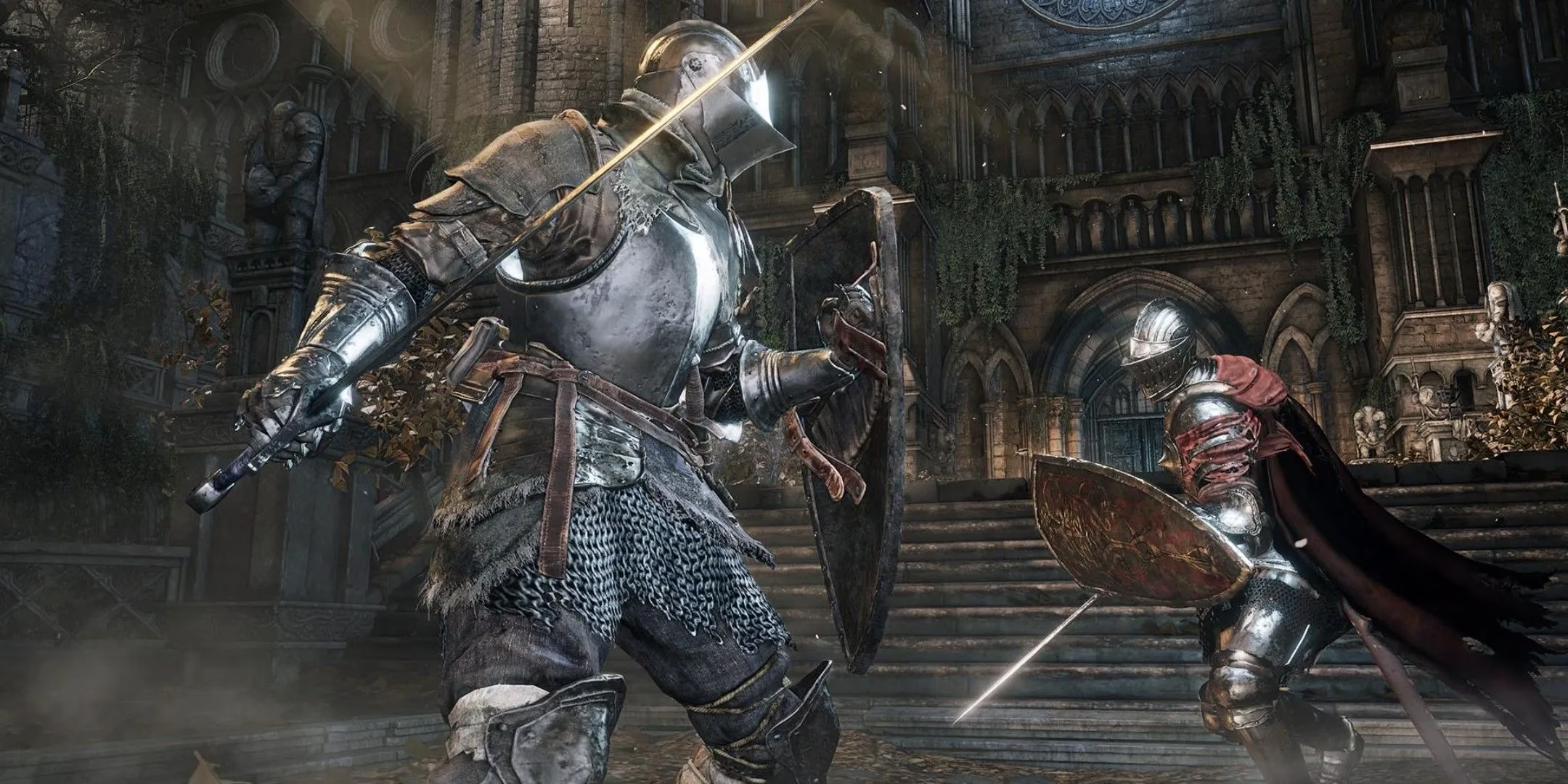
What is there left to say about Dark Souls III? By the time it released, the series had already carved its name into gaming history with its challenging combat and rich, cryptic lore. This third entry felt like a magnificent culmination. It polished the formula to a brilliant sheen, offering tighter combat, more epic boss battles, and even more hauntingly beautiful decaying worlds. For many players I know, this was their gateway into the Soulsborne universe—a trial by fire, for sure, but one that showcases the series' unparalleled quality. The journey as the Unkindled One is punishing, but every victory, no matter how small, feels like a monumental achievement.
Tekken 3
While later Tekken games boast better graphics and more content, for me, Tekken 3 captured lightning in a bottle. The feel of the combat was just perfect—responsive, weighty, and incredibly satisfying. This was the game that introduced a slew of now-iconic characters like Jin Kazama, Hwoarang, and Eddy Gordo, forever expanding the Mishima saga. And who could forget the bonus mode, Tekken Force? It was this fun, side-scrolling beat-'em-up minigame that let you take your favorite fighter into a Streets of Rage-style adventure. It was a delightful surprise. Tekken 3 isn't just a classic; it's the game that cemented the franchise as a global powerhouse.
Elden Ring
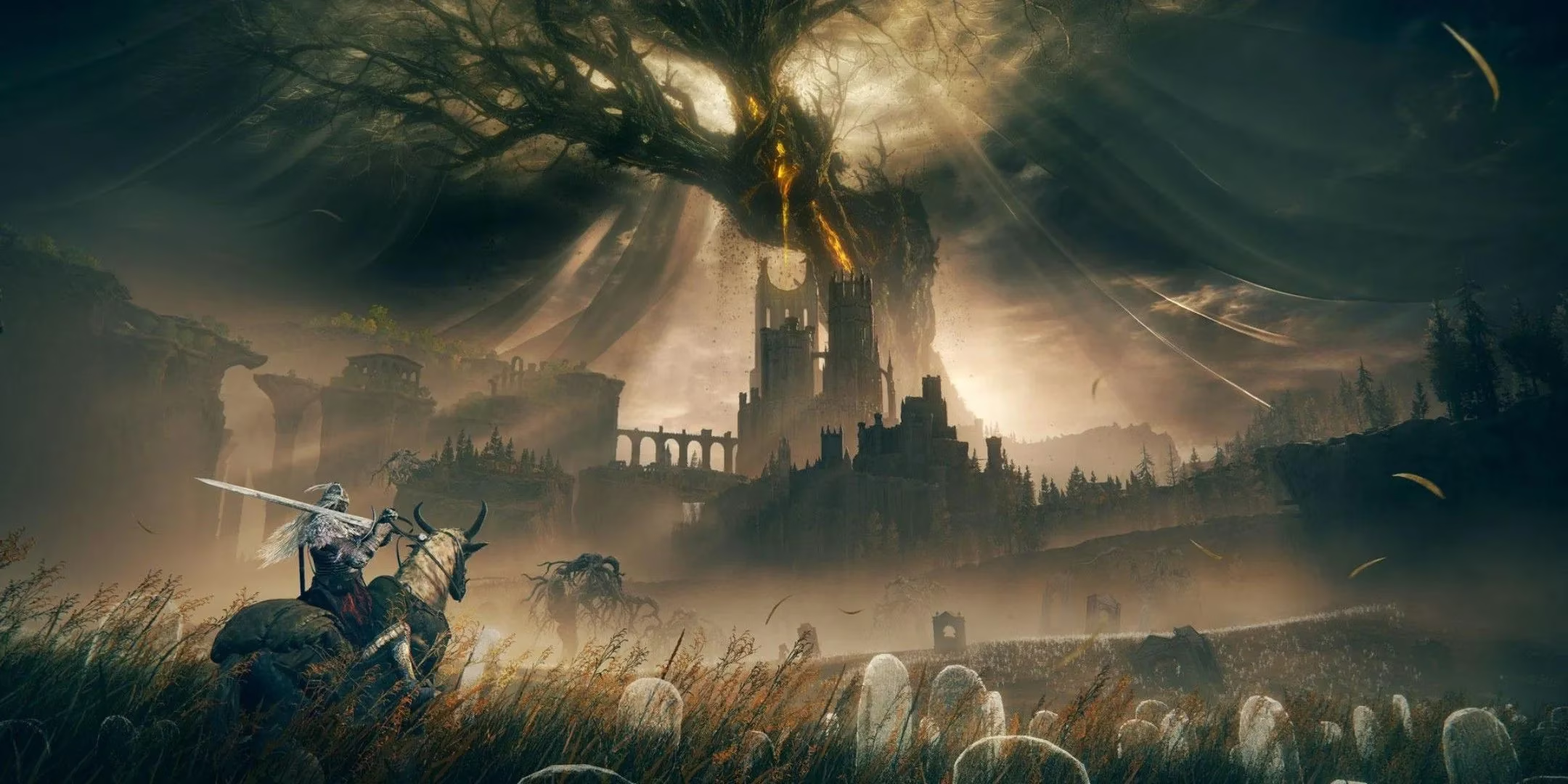
If Dark Souls III represented the peak of a formula, Elden Ring shattered the mold entirely. FromSoftware, in collaboration with Bandai Namco, created something truly transcendent. Teaming up with George R.R. Martin for the world's mythos was a stroke of genius, resulting in the Lands Between—a vast, open world that is equally breathtaking and hostile. The game masterfully blended the environmental storytelling and deep lore of Souls games with a more accessible, exploration-driven structure. Riding across the golden plains, discovering hidden dungeons, and stumbling upon terrifying bosses around every corner created a sense of wonder I hadn't felt in years. It redefined what an action RPG could be.
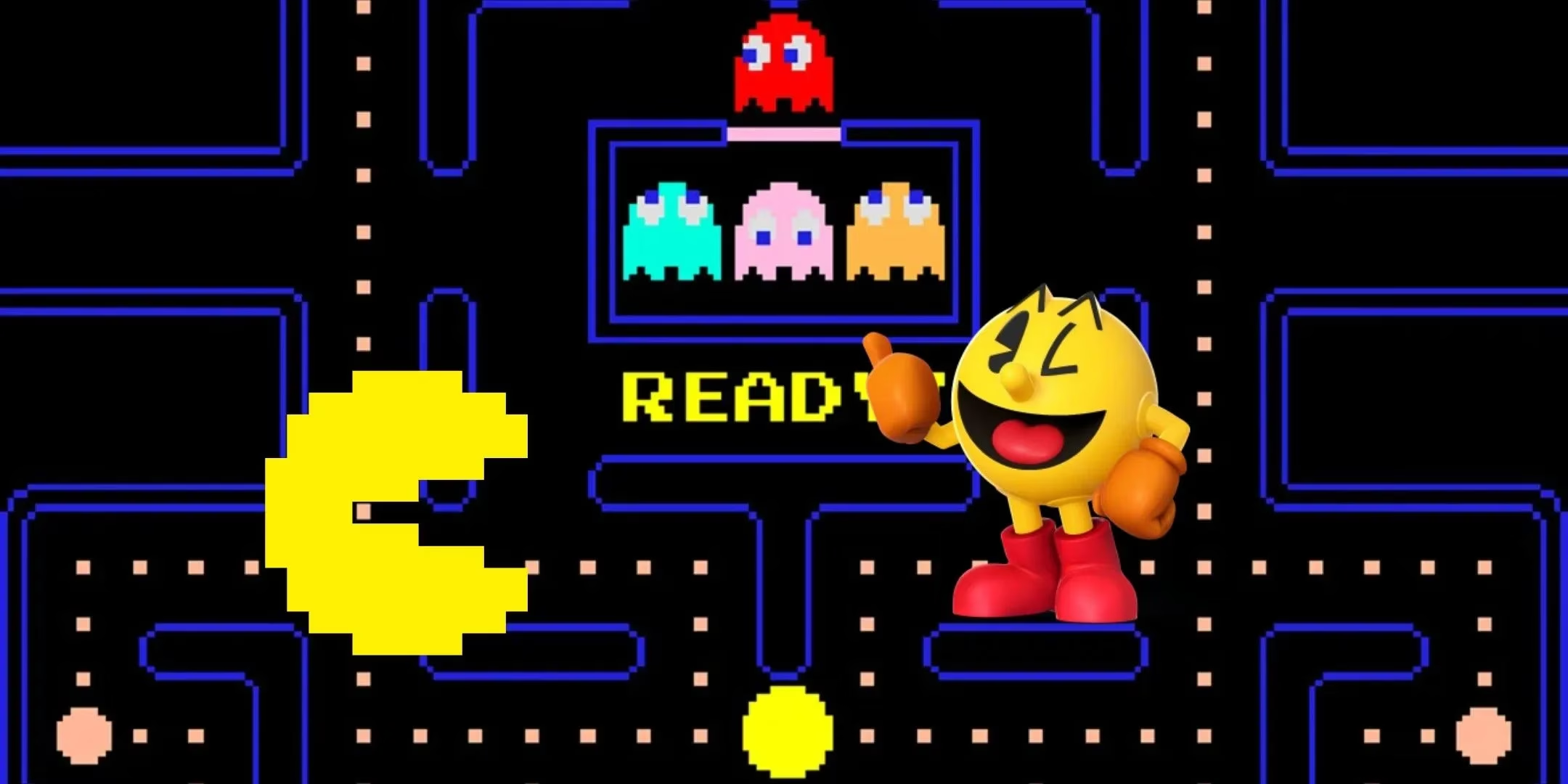
Pac-Man
And finally, we come to the king. The icon. When you think of video game characters known the world over, who comes to mind? It's him. Sure, other mascots might be more active today, but you can't beat the timeless, simple perfection of Pac-Man. That little yellow circle chomping dots and running from ghosts is etched into global culture. Bandai Namco (originally just Namco) has been a pillar of this industry for decades, and Pac-Man is its timeless ambassador. The legacy was only strengthened by the phenomenal success of Ms. Pac-Man, which went on to sell tens of millions of units. It's a simple game, but its design is flawless, and its cultural impact is immeasurable. It had to be number one.
Reflecting on this list just reminds me of the incredible range Bandai Namco has shown over the years. From the arcade pioneer to the publisher of generation-defining epics, their journey mirrors the evolution of gaming itself. Each of these games, in its own way, represents a piece of that history—a history filled with challenge, innovation, wonder, and a whole lot of fun. Here's to many more years of incredible games! 🎮